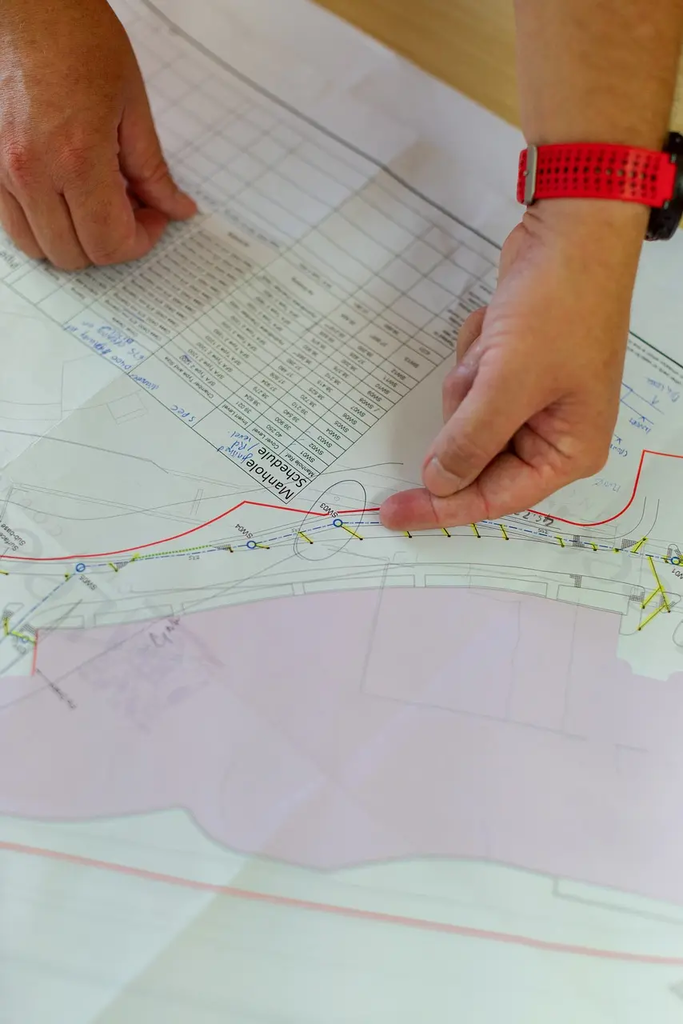
"End-to-End Digital Twin Across Lifecycle" refers to the comprehensive use of digital replicas of physical assets throughout their entire lifespan—from design and construction to operation and maintenance. In construction, digital applications enable real-time data integration, visualization, and analysis, supporting better decision-making, collaboration, and efficiency. This approach ensures that accurate, up-to-date information is accessible at every stage, optimizing project outcomes and facilitating proactive management across the construction lifecycle.
End-to-End Digital Twin Across Lifecycle
"End-to-End Digital Twin Across Lifecycle" refers to the comprehensive use of digital replicas of physical assets throughout their entire lifespan—from design and construction to operation and maintenance. In construction, digital applications enable real-time data integration, visualization, and analysis, supporting better decision-making, collaboration, and efficiency. This approach ensures that accurate, up-to-date information is accessible at every stage, optimizing project outcomes and facilitating proactive management across the construction lifecycle.

💡 Key Takeaways
- Define end-to-end digital twin and map it to lifecycle stages: design, simulate, deploy, operate, and optimize.
- Describe the data flow between physical assets and the digital twin, including sensing, data ingestion, modeling, and closed-loop feedback.
- Explain how simulation and analytics support predictive maintenance, performance optimization, and informed decision-making across the lifecycle.
- Discuss governance, interoperability, data quality, and security considerations with best practices for implementing an end-to-end digital twin.
❓ Frequently Asked Questions
What is a digital twin?
A dynamic digital representation of a physical asset, process, or system that mirrors real-time data to enable simulation, analysis, and optimization across its lifecycle.
What does “end-to-end across lifecycle” mean for digital twins?
Applying the digital twin from design and manufacturing through operation, maintenance, and end-of-life, using data at each stage to improve decisions and outcomes.
What are the core components of an end-to-end digital twin?
Data sources (sensors/SCADA/PLM), a data platform, modeling and simulation, analytics/AI, visualization, and integration with enterprise systems.
How can a digital twin support lifecycle decision-making?
It enables predictive maintenance, performance optimization, what-if analyses, design validation, and continuous feedback for product/process improvements.
What are common challenges to implementing an end-to-end digital twin?
Data quality and interoperability, data security, model development complexity, cross-department alignment, and ROI justification.