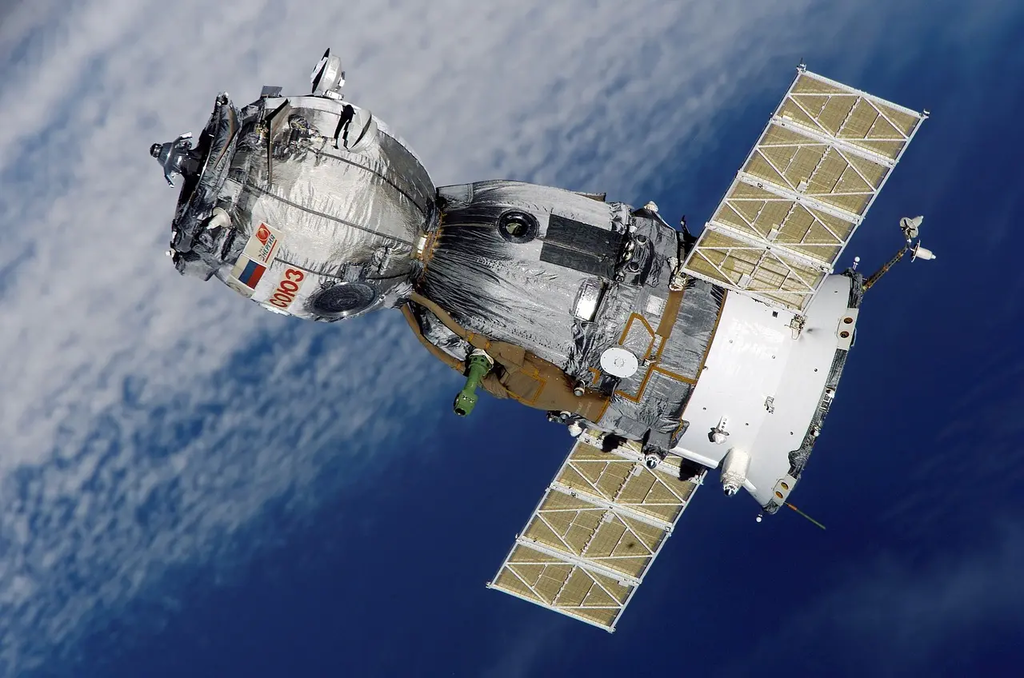
End-to-End Mission Assurance for Crewed Deep Space Missions refers to the comprehensive process of ensuring the safety, reliability, and success of human spaceflight from initial planning through mission completion. It encompasses risk assessment, system testing, quality control, real-time monitoring, and contingency planning across all mission phases. This holistic approach addresses technical, operational, and human factors, aiming to protect crew members and achieve mission objectives throughout the entire journey beyond Earth.
End-to-End Mission Assurance for Crewed Deep Space Missions
End-to-End Mission Assurance for Crewed Deep Space Missions refers to the comprehensive process of ensuring the safety, reliability, and success of human spaceflight from initial planning through mission completion. It encompasses risk assessment, system testing, quality control, real-time monitoring, and contingency planning across all mission phases. This holistic approach addresses technical, operational, and human factors, aiming to protect crew members and achieve mission objectives throughout the entire journey beyond Earth.
💡 Key Takeaways
- Understand the concept of end-to-end mission assurance for crewed deep-space missions.
- Identify core components: risk assessment, system testing, quality control, and real-time monitoring.
- Describe how risk assessment informs safety margins, design choices, and contingency planning.
- Explain how real-time monitoring and data analysis support timely decision-making and mission success.
❓ Frequently Asked Questions
What is end-to-end mission assurance and why is it essential for crewed deep-space missions?
It’s the comprehensive process to ensure safety, reliability, and mission success from concept through completion, covering planning, design, testing, operations, and post-mission analysis. This is crucial in deep space due to high risk, long duration, and remote environments.
What are the main components of mission assurance?
Risk assessment to identify hazards; system testing to validate performance; quality control to ensure parts meet standards; and real-time monitoring to track health and status during flight for timely decisions.
How is risk assessment performed in mission assurance for deep-space missions?
Using structured methods such as Failure Modes and Effects Analysis (FMEA), Fault Tree Analysis (FTA), and probabilistic risk assessment to identify hazards, estimate likelihoods, and prioritize mitigations.
What is the role of real-time monitoring and telemetry during a crewed mission?
They provide continuous data on spacecraft health, life support, systems, and environment, enabling early anomaly detection, informed decision-making, and crew safety.