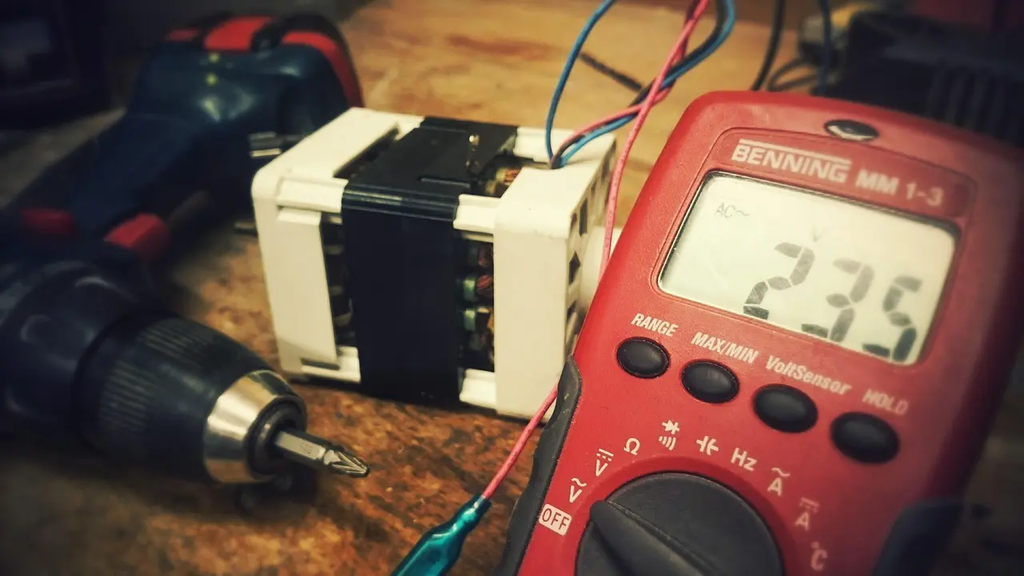
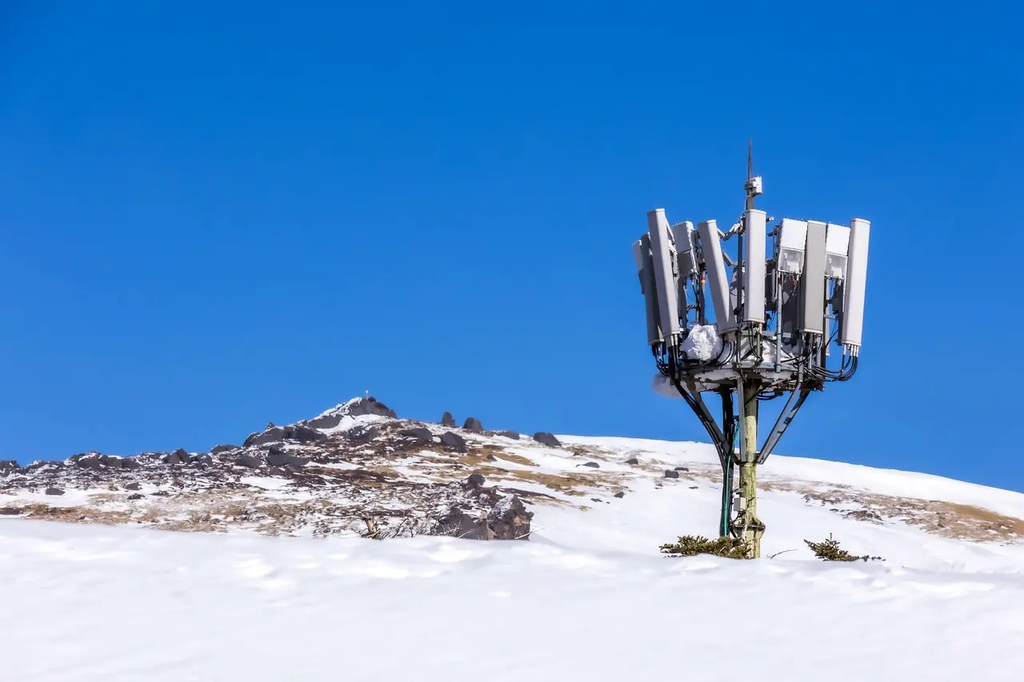
Energy Storage Systems and Integration (Telecoms, Signals & Power) refers to the deployment and management of technologies like batteries or capacitors to store electrical energy for use in telecommunications, signaling, and power applications. These systems ensure reliable operation by providing backup power, smoothing out fluctuations, and supporting continuous communication and control. Integration focuses on seamlessly connecting storage with existing infrastructure to enhance efficiency, stability, and resilience across critical telecom and power networks.
Energy Storage Systems and Integration
Energy Storage Systems and Integration (Telecoms, Signals & Power) refers to the deployment and management of technologies like batteries or capacitors to store electrical energy for use in telecommunications, signaling, and power applications. These systems ensure reliable operation by providing backup power, smoothing out fluctuations, and supporting continuous communication and control. Integration focuses on seamlessly connecting storage with existing infrastructure to enhance efficiency, stability, and resilience across critical telecom and power networks.
💡 Key Takeaways
- Understand what energy storage systems (ESS) are and why they are essential for modern power grids.
- Learn about common storage technologies (batteries, pumped hydro, thermal, CAES) and their typical use cases.
- See how energy storage integrates with generation, transmission, and distribution to boost reliability and flexibility.
- Compare short-duration and long-duration storage, including cost, lifecycle, and performance trade-offs.
- Identify key challenges in deploying ESS, such as safety, degradation, siting, and regulatory considerations.
❓ Frequently Asked Questions
What is an energy storage system (ESS) and why is it used in power grids?
An ESS stores energy for use later to balance supply and demand, smooth variability from renewables, provide capacity, and support grid reliability (e.g., frequency regulation, voltage support, peak shaving).
What are common technologies used in energy storage systems?
Common technologies include batteries (lithium‑ion, solid‑state, flow), pumped hydro storage, compressed air (CAES), thermal storage (e.g., molten salt or ice), flywheels, and hydrogen storage.
What does 'integration' mean in this context, and what are key considerations for grid integration?
Integration means coordinating ESS with generation, transmission, distribution, and market operations. Key considerations include power electronics interfaces, control strategies, safety and standards, communication (SCADA), siting, lifecycle costs, efficiency, and degradation.
What are the main benefits and challenges of deploying energy storage systems?
Benefits include improved reliability, frequency regulation, renewable energy smoothing, peak shaving, and deferred infrastructure. Challenges include high upfront cost, efficiency losses, degradation over time, safety and permitting, and regulatory or interoperability hurdles.