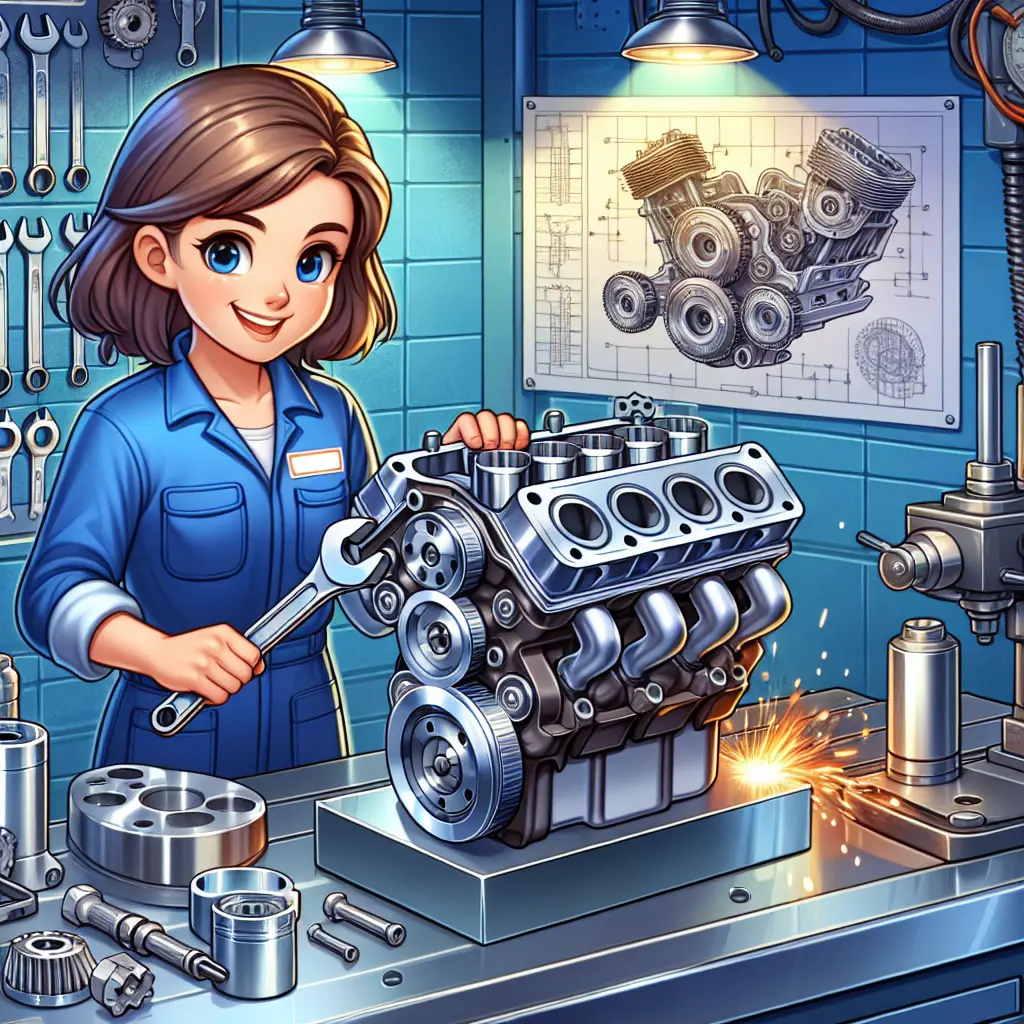
Engine rebuild & machining refers to the comprehensive process of disassembling an engine, inspecting and cleaning its components, and replacing worn or damaged parts. Machining involves precision work such as resurfacing cylinder heads, boring cylinders, and grinding crankshafts to restore factory specifications. This process enhances engine performance, reliability, and longevity by ensuring all components fit and function correctly, effectively revitalizing the engine to like-new condition.
Engine Rebuild & Machining
Engine rebuild & machining refers to the comprehensive process of disassembling an engine, inspecting and cleaning its components, and replacing worn or damaged parts. Machining involves precision work such as resurfacing cylinder heads, boring cylinders, and grinding crankshafts to restore factory specifications. This process enhances engine performance, reliability, and longevity by ensuring all components fit and function correctly, effectively revitalizing the engine to like-new condition.
💡 Key Takeaways
- Understand the full engine rebuild workflow from disassembly and inspection to cleaning, part replacement, and reassembly/testing.
- Identify wear signs and determine when components should be replaced during an engine rebuild.
- Learn cleaning and measurement practices used to assess engine condition before machining.
- Know the machining operations—cylinder head resurfacing, cylinder boring, and crankshaft grinding—and how they restore factory tolerances.
❓ Frequently Asked Questions
What is an engine rebuild?
A comprehensive process that disassembles the engine, inspects worn parts, cleans components, and replaces or repairs parts to restore performance and reliability.
What does machining involve in engine work?
Precision operations such as resurfacing cylinder heads, boring cylinders to accept new pistons, and grinding crankshafts to restore factory specifications.
Why is inspection important during a rebuild?
To identify wear, damage, or warping, guide part replacement, and ensure measurements meet specifications to prevent future failures.
What parts are commonly replaced during a rebuild?
Pistons, rings, bearings, gaskets, seals, and timing components, with surfaces machined as needed to restore proper clearances.