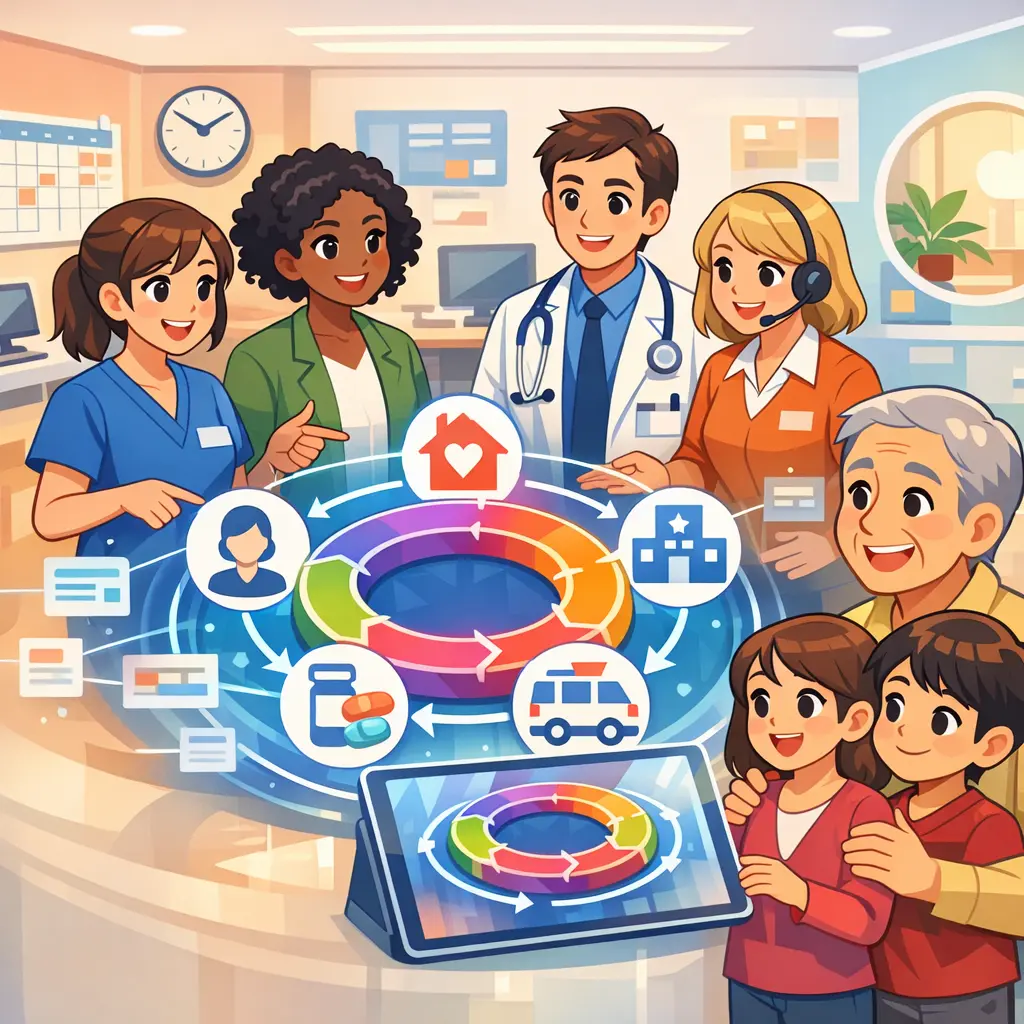
Entrepreneurship in MedTech and HealthTech involves creating innovative solutions within healthcare and medicine, such as developing new medical devices, digital health platforms, or diagnostic tools. Professionals in this field combine medical knowledge with business acumen to address healthcare challenges, improve patient outcomes, and streamline processes. Careers range from founding startups and leading product development to consulting and investment, offering opportunities to make a significant impact on global health systems.
Entrepreneurship in MedTech & HealthTech
Entrepreneurship in MedTech and HealthTech involves creating innovative solutions within healthcare and medicine, such as developing new medical devices, digital health platforms, or diagnostic tools. Professionals in this field combine medical knowledge with business acumen to address healthcare challenges, improve patient outcomes, and streamline processes. Careers range from founding startups and leading product development to consulting and investment, offering opportunities to make a significant impact on global health systems.

💡 Key Takeaways
- Understand regulatory pathways (FDA/CE, MDR) and the evidence required to bring MedTech/HealthTech products to market.
- Identify healthcare problems worth solving and validate product-market fit with clinicians and patients.
- Explore business models and pricing for health tech (SaaS, devices, or outcomes-based models).
- Develop a go-to-market plan with pilots, partnerships, and reimbursement considerations.
- Address data privacy, security, and ethical issues (HIPAA/GDPR) in product design and deployment.
❓ Frequently Asked Questions
What is MedTech & HealthTech entrepreneurship?
It means starting and growing companies that develop medical devices, digital health tools, or health services to improve patient care, combining science, engineering, and business.
What regulatory steps should I know for MedTech products?
In the US, many devices need FDA clearance (510(k)) or PMA approval; software as a medical device (SaMD) has specific guidelines. In the EU, CE marking is key. Include risk management and clinical evidence early.
Which business models are common in MedTech/HealthTech startups?
B2B sales to hospitals/clinics, direct-to-consumer devices, and software platforms (SaaS) for remote monitoring or data analytics. Hybrid models and partnerships are also common.
How can a MedTech startup validate its product and market?
Identify a real clinical need, involve clinicians/patients in design, perform risk assessment, build a minimum viable product, conduct pilot studies/clinical validation, and gather evidence for regulatory and reimbursement decisions.