Entry-level carpentry refers to the foundational stage of working in the carpentry trade, typically suited for beginners with minimal experience. Individuals in this role learn basic woodworking skills, tool usage, and safety procedures. Tasks often include measuring, cutting, assembling materials, and assisting more experienced carpenters. Entry-level carpenters usually work under supervision, gradually building their knowledge and expertise to advance in the construction or woodworking industry.
Entry-Level Carpentry
Entry-level carpentry refers to the foundational stage of working in the carpentry trade, typically suited for beginners with minimal experience. Individuals in this role learn basic woodworking skills, tool usage, and safety procedures. Tasks often include measuring, cutting, assembling materials, and assisting more experienced carpenters. Entry-level carpenters usually work under supervision, gradually building their knowledge and expertise to advance in the construction or woodworking industry.
💡 Key Takeaways
- Understand basic carpentry terminology and how to plan simple projects.
- Learn safe handling and proper use of common carpentry tools (saws, hammers, tape measures, chisels) and PPE.
- Read basic drawings or plans and convert them into accurate cut lists and layouts.
- Measure, mark, cut, and assemble materials to specification using appropriate fasteners and joining methods.
❓ Frequently Asked Questions
What is entry-level carpentry?
The foundational stage of carpentry for beginners, focusing on basic woodwork skills, safe tool use, and developing fundamental trades knowledge.
What basic skills do beginners learn in carpentry?
Measuring and marking accurately, cutting to size, joining pieces, and using common hand and power tools safely.
Why are safety procedures important in carpentry and what are common practices?
Carpentry involves sharp tools and heavy materials; safety prevents injuries. Use PPE, keep tools sharp, maintain tidy workspaces, and follow proper lifting and cutting techniques.
What basic tools do entry-level carpenters typically use?
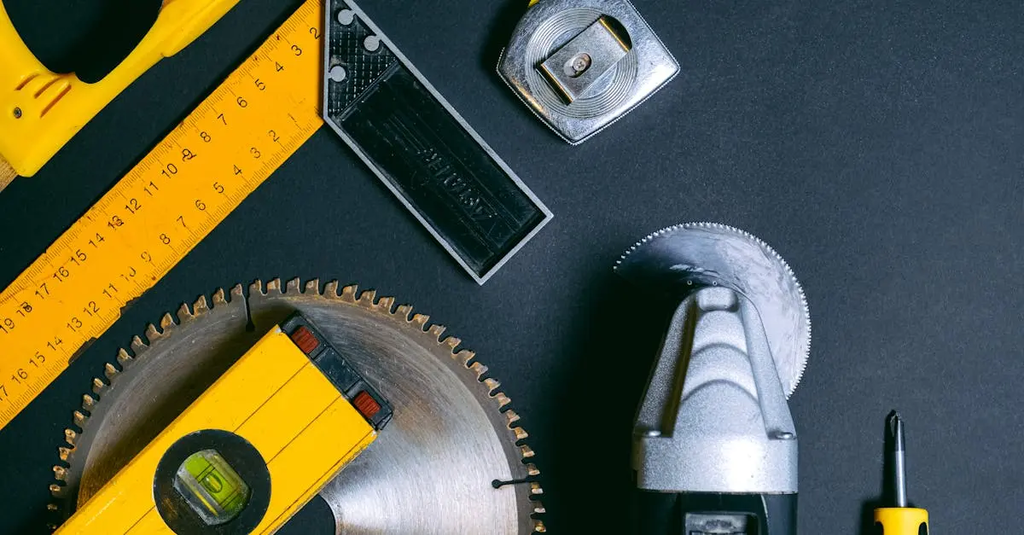
Measuring tools (tape measure, speed square), cutting tools (handsaw, miter saw), marking tools (pencil), fastening tools (hammer, nails, screwdriver), levels, chisels, and clamps.
What are common entry-level carpentry tasks?
Measuring materials, marking cut lines, cutting pieces to size, and assembling components with nails or screws.