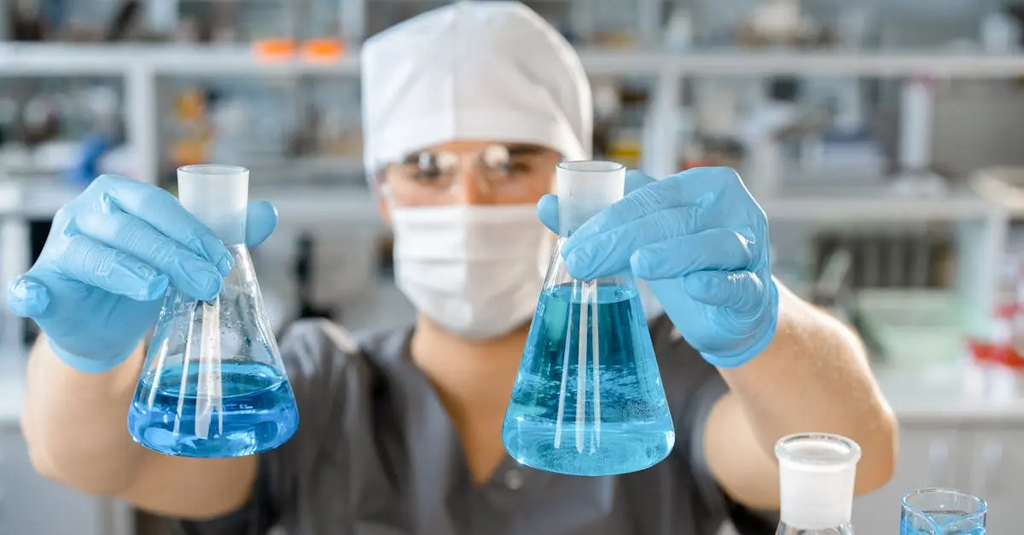
Entry-level chemical and materials roles in engineering and technology involve assisting in the development, testing, and production of chemicals, materials, and related products. Professionals in these positions typically support senior engineers by conducting experiments, analyzing data, and ensuring quality standards. They may work in industries such as manufacturing, pharmaceuticals, or energy, gaining hands-on experience with processes, equipment, and safety protocols while building foundational skills for advanced technical or engineering careers.
Entry-Level Chemical & Materials Roles
Entry-level chemical and materials roles in engineering and technology involve assisting in the development, testing, and production of chemicals, materials, and related products. Professionals in these positions typically support senior engineers by conducting experiments, analyzing data, and ensuring quality standards. They may work in industries such as manufacturing, pharmaceuticals, or energy, gaining hands-on experience with processes, equipment, and safety protocols while building foundational skills for advanced technical or engineering careers.
💡 Key Takeaways
- Recognize the typical responsibilities of entry-level chemical and materials roles.
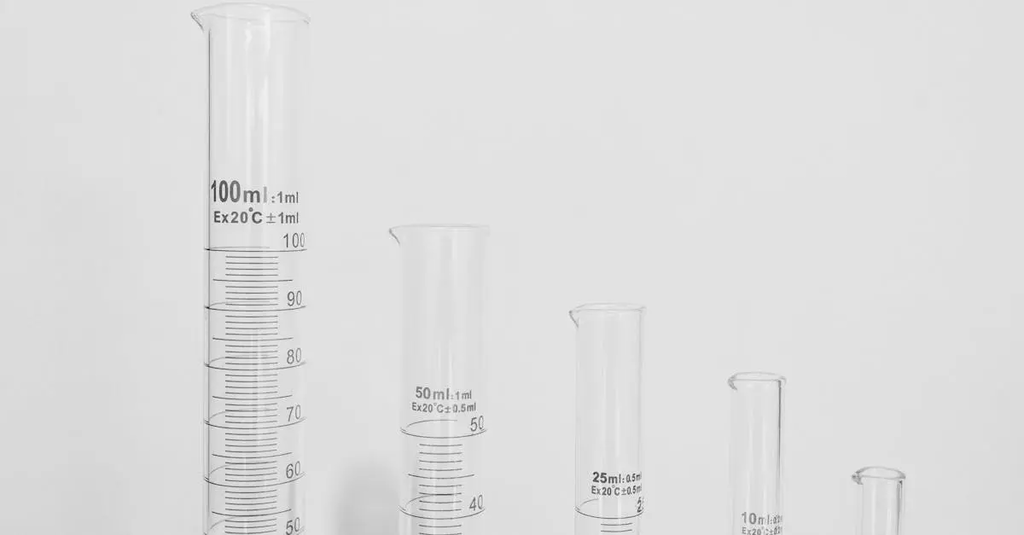
- Identify common lab techniques and instruments used in chemical/material labs.
- Explain basic safety, quality control, and regulatory considerations in lab environments.
- Describe fundamental material properties and how they influence product performance.
- Demonstrate basic data interpretation and documentation skills used in chemical/material careers.
❓ Frequently Asked Questions
What are typical entry-level roles in chemical and materials fields?
Common roles include chemist or lab technician, quality control analyst, process or manufacturing engineer, and materials scientist or characterization technician. Responsibilities cover experiments, data analysis, safety, and supporting lab or production operations.
What skills are essential for these roles?
Core skills include laboratory techniques, safety compliance, data recording and analysis, and problem-solving. Familiarity with analytical instruments (e.g., GC/HPLC, spectroscopy) and software (Excel, LIMS) is also important.
What education or background is typical?
A bachelor’s degree in chemistry, chemical engineering, materials science, or a related field is common. Internships or co-ops help break in; some roles may accept an associate degree with relevant lab experience.
How can I prepare for interviews in these fields?
Review core lab techniques and safety protocols, practice explaining your projects and data interpretation, and be ready to discuss collaboration and troubleshooting in the lab.