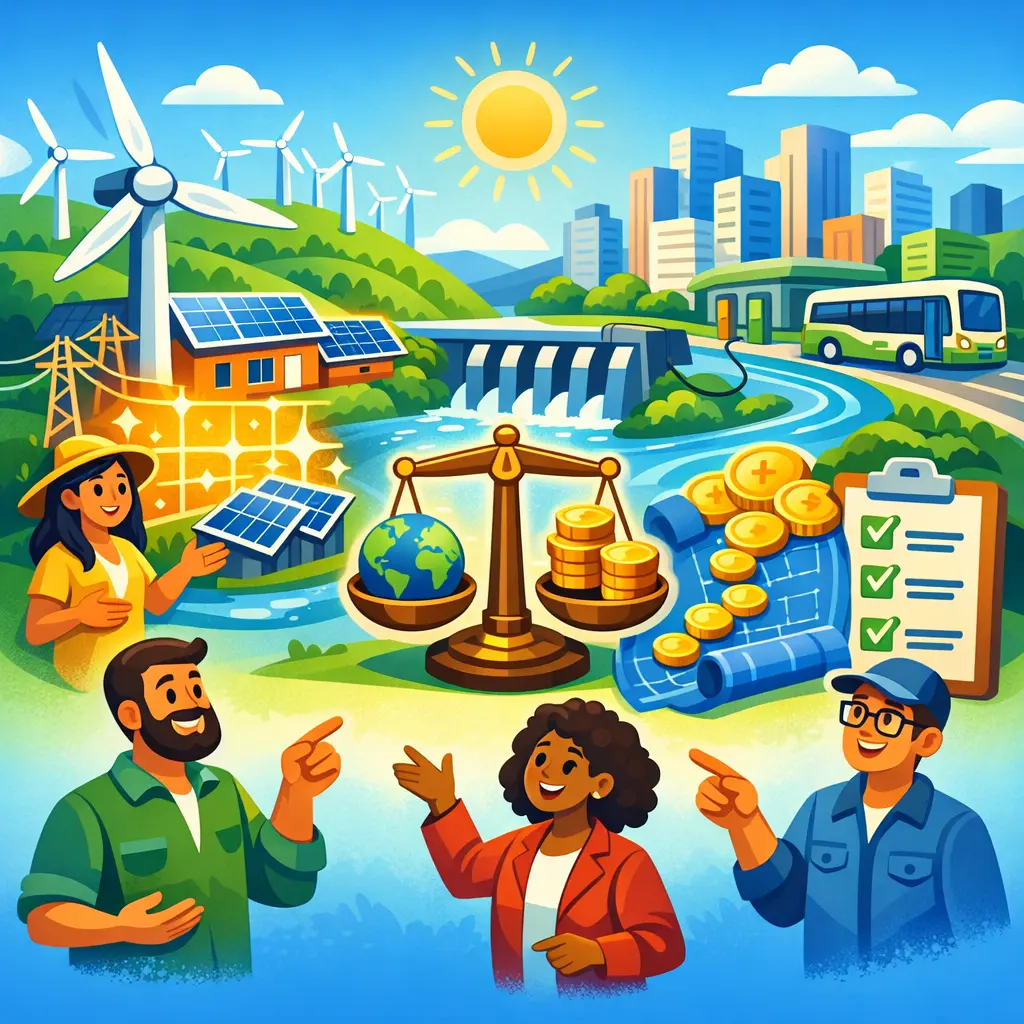
Environmental & Natural Resources Law focuses on the legal frameworks governing the protection, use, and management of the environment and natural resources such as land, water, minerals, and wildlife. It involves statutes, regulations, and policies at local, national, and international levels. Professionals in this field work to balance environmental conservation with economic development, often collaborating with government agencies, advocacy groups, and the public to ensure sustainable resource use and environmental justice.
Environmental & Natural Resources Law
Environmental & Natural Resources Law focuses on the legal frameworks governing the protection, use, and management of the environment and natural resources such as land, water, minerals, and wildlife. It involves statutes, regulations, and policies at local, national, and international levels. Professionals in this field work to balance environmental conservation with economic development, often collaborating with government agencies, advocacy groups, and the public to ensure sustainable resource use and environmental justice.
💡 Key Takeaways
- Understand the main goals of Environmental & Natural Resources Law and what it protects (air, water, land, biodiversity).
- Learn how environmental impact assessments, permitting, and compliance monitoring work in practice.
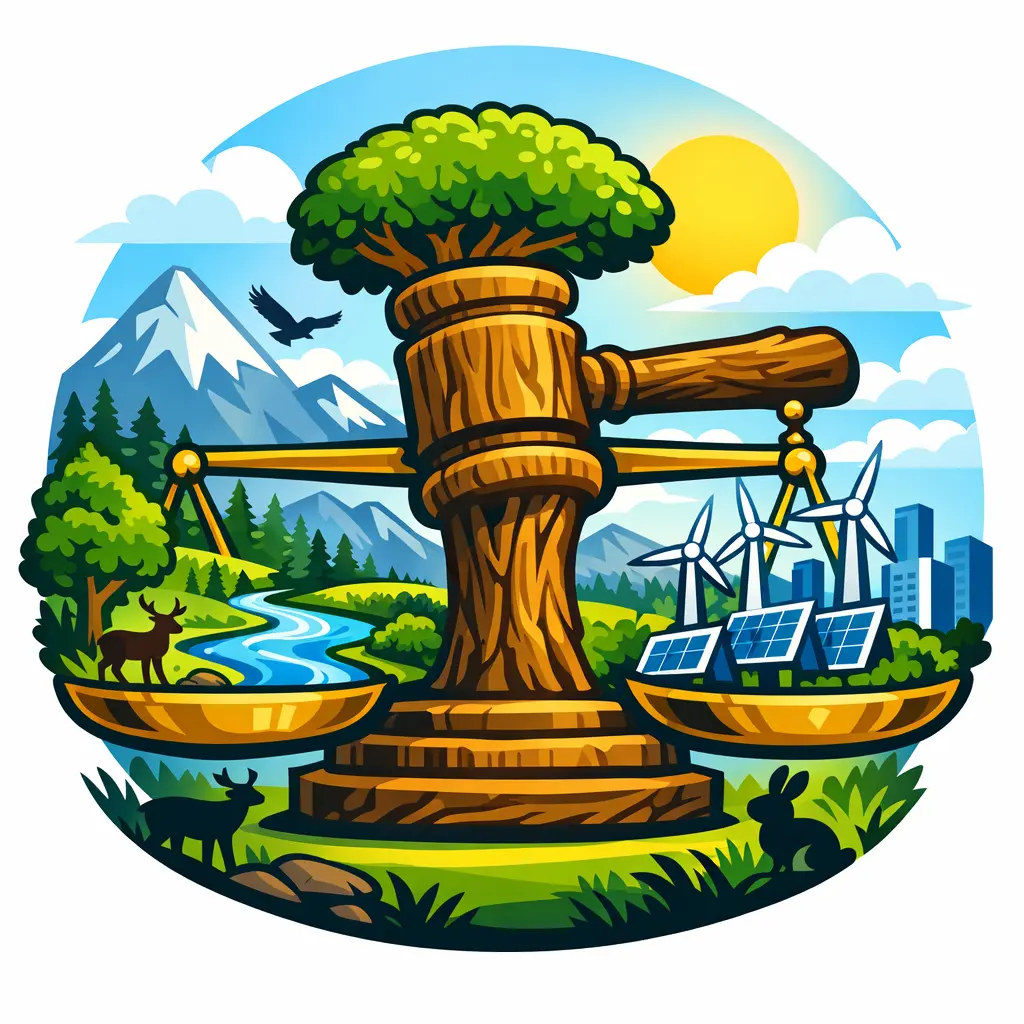
- Explore the balance between conservation and development, including sustainable resource management and regulatory trade-offs.
- Recognize the roles of agencies, public participation, and enforcement tools in environmental law.
❓ Frequently Asked Questions
What is Environmental Law?
Environmental Law is the body of statutes, regs, and case law that governs how we use natural resources and protect air, water, soil, wildlife, and ecosystems.
What does NEPA stand for and what does it require?
NEPA = National Environmental Policy Act. It requires federal agencies to assess environmental effects of major actions before deciding, typically via Environmental Assessments or Environmental Impact Statements.
What is the Clean Water Act and what does it regulate?
The Clean Water Act aims to protect surface waters by regulating pollutant discharges through permits (NPDES), setting water quality standards, and addressing pollution sources.
What is the Endangered Species Act and how can it affect projects?
The Endangered Species Act protects listed species and their habitats. Federal actions must avoid jeopardy, and may require consultations and habitat protections that influence planning and development.