Environmental and wildlife crime cases involve illegal activities that harm the environment or wildlife, such as poaching, illegal logging, trafficking of endangered species, and pollution. These cases are prosecuted under national and international laws to protect ecosystems and biodiversity. Investigations often require specialized knowledge and collaboration between law enforcement, environmental agencies, and conservation organizations to gather evidence, apprehend offenders, and ensure justice for crimes against nature.
Environmental and Wildlife Crime Cases
Environmental and wildlife crime cases involve illegal activities that harm the environment or wildlife, such as poaching, illegal logging, trafficking of endangered species, and pollution. These cases are prosecuted under national and international laws to protect ecosystems and biodiversity. Investigations often require specialized knowledge and collaboration between law enforcement, environmental agencies, and conservation organizations to gather evidence, apprehend offenders, and ensure justice for crimes against nature.
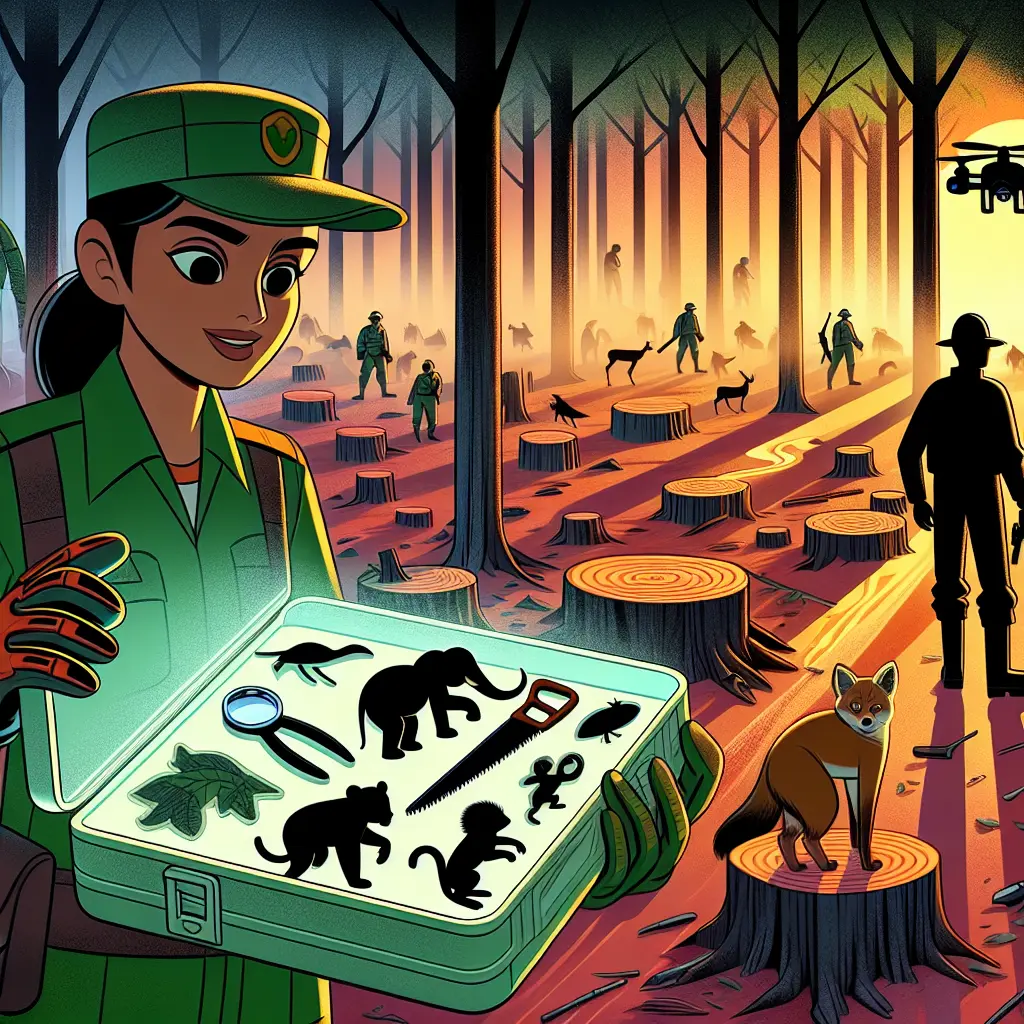
💡 Key Takeaways
- Identify common environmental and wildlife crimes (poaching, illegal logging, trafficking, pollution) and their ecological impacts.
- Understand how national and international laws—such as CITES and wildlife protection acts—aim to safeguard ecosystems and biodiversity.
- Learn how investigations are conducted and how cross-border cooperation strengthens enforcement against environmental crimes.
- Recognize the broader consequences for wildlife populations, habitats, communities, and economies, and the importance of prevention and reporting.
❓ Frequently Asked Questions
What counts as environmental and wildlife crime?
Environmental and wildlife crimes are illegal acts that harm ecosystems or wildlife, such as poaching, illegal logging, trafficking of endangered species, and pollution. These offenses are prosecuted under national and international laws to protect biodiversity.
What is poaching and how does it differ from legal hunting?
Poaching is illegal hunting or capturing of wildlife, often of protected species or outside permitted seasons. Legal hunting requires permits, seasons, and location rules.
What is CITES and why is it important?
CITES is an international treaty that regulates cross-border trade in endangered species to prevent their extinction. It provides permit processes and enforcement guidance to curb illegal trafficking.
How can investigators uncover environmental crime?
Investigators examine permits and supply chains, inspect shipments, analyze environmental damage, and work with communities and NGOs. Forensics and monitoring tools help build strong cases.
What are common penalties for environmental crimes?
Penalties include fines, prison time, seizure of illegal goods, and regulatory or reputational consequences, varying by country and the severity of the offense.