Environmental crimes refer to illegal acts that harm the environment, such as pollution, illegal dumping, or wildlife trafficking. Federal enforcement involves national agencies, like the Environmental Protection Agency (EPA) and the Department of Justice, investigating and prosecuting these offenses. Their efforts aim to uphold environmental laws, deter future violations, and protect public health and natural resources by holding individuals or organizations accountable for actions that damage the environment.
Environmental crimes and federal enforcement
Environmental crimes refer to illegal acts that harm the environment, such as pollution, illegal dumping, or wildlife trafficking. Federal enforcement involves national agencies, like the Environmental Protection Agency (EPA) and the Department of Justice, investigating and prosecuting these offenses. Their efforts aim to uphold environmental laws, deter future violations, and protect public health and natural resources by holding individuals or organizations accountable for actions that damage the environment.
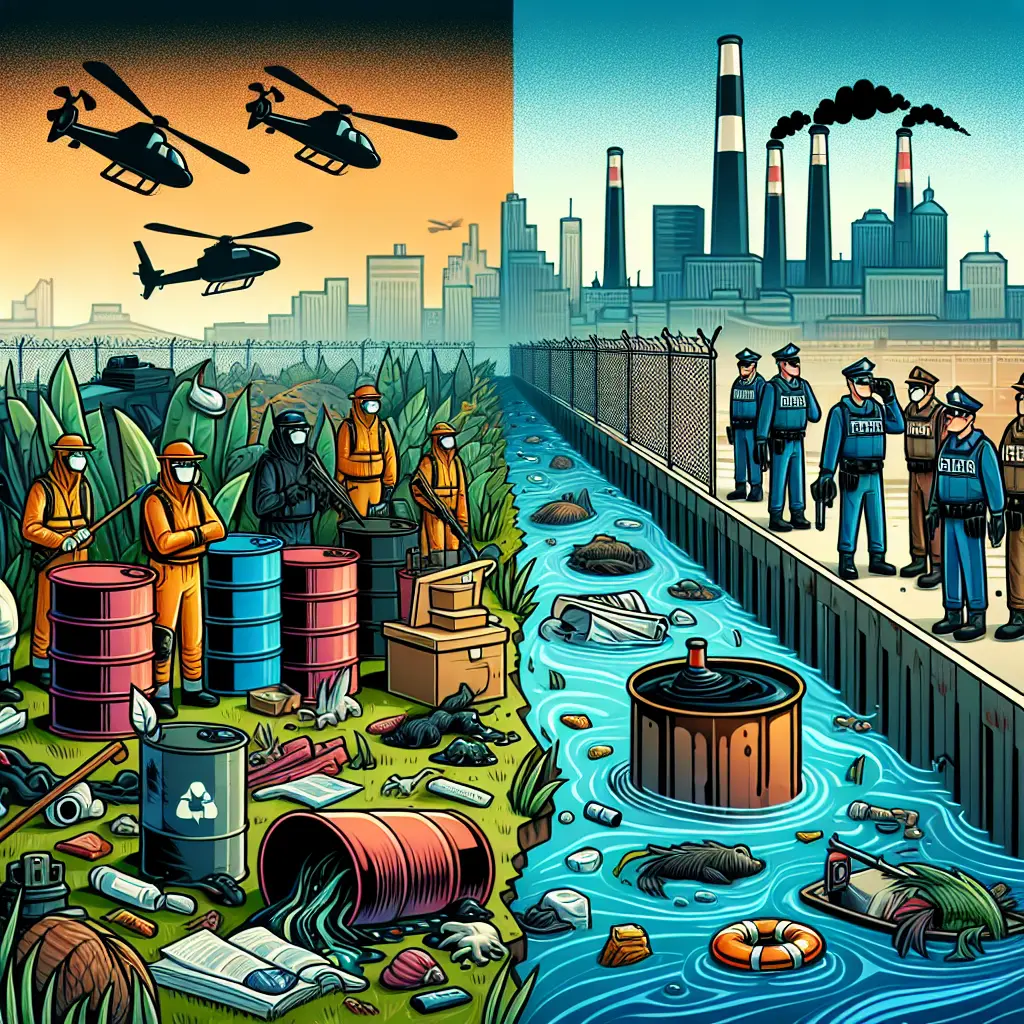
💡 Key Takeaways
- Identify environmental crimes like pollution, illegal dumping, and wildlife trafficking and their environmental and public health impacts.
- Explain the roles of federal agencies (EPA and DOJ) in investigating and prosecuting environmental offenses.
- Describe the federal enforcement process from investigation to charging, trial, and penalties.
- Distinguish between civil and criminal enforcement options used by the federal government to deter violations and ensure compliance.
❓ Frequently Asked Questions
What qualifies as an environmental crime?
Illegal acts that harm the environment, such as pollution, illegal dumping, or wildlife trafficking, in violation of environmental laws.
Which federal agencies enforce environmental crimes?
The Environmental Protection Agency (EPA) enforces regulations, and the Department of Justice (DOJ) prosecutes cases in federal court.
How does federal enforcement work for environmental crimes?
Federal agencies monitor and investigate violations, gather evidence, and the DOJ prosecutes offenders in federal courts; penalties can include fines, imprisonment, and injunctions.
What are common penalties for environmental crimes?
Penalties may include criminal or civil fines, imprisonment, restitution to victims, and court-ordered injunctions to stop harmful activities.