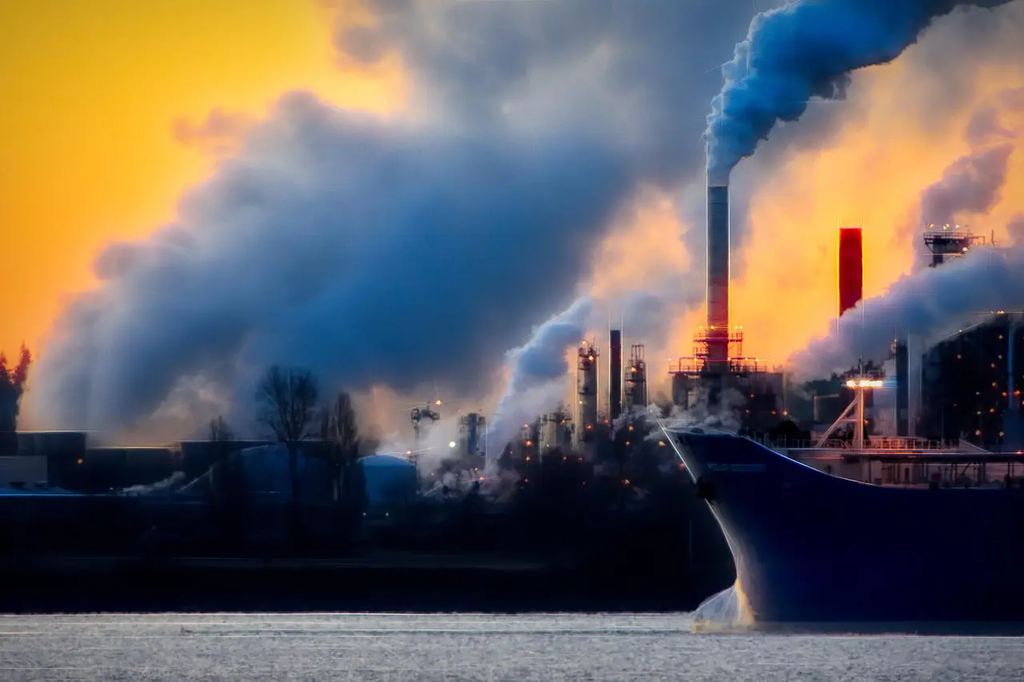
Environmental impact and emissions refer to the effects that human activities, such as industrial processes, transportation, and energy production, have on the natural environment, particularly through the release of pollutants and greenhouse gases. These emissions contribute to air and water pollution, climate change, and ecosystem degradation. Addressing environmental impact and emissions involves implementing sustainable practices, adopting cleaner technologies, and regulating pollutants to protect the planet’s health and ensure a sustainable future.
Environmental Impact and Emissions
Environmental impact and emissions refer to the effects that human activities, such as industrial processes, transportation, and energy production, have on the natural environment, particularly through the release of pollutants and greenhouse gases. These emissions contribute to air and water pollution, climate change, and ecosystem degradation. Addressing environmental impact and emissions involves implementing sustainable practices, adopting cleaner technologies, and regulating pollutants to protect the planet’s health and ensure a sustainable future.
💡 Key Takeaways
- Identify the main pollutants and greenhouse gases released by driving and commuting and their health and environmental impacts.
- Compare emissions across common transport modes (gasoline cars, hybrids, electric vehicles, public transit) and consider how energy sources affect them.
- Learn practical ways to reduce commuting emissions (eco-driving, carpooling, public transit, telework, route planning, maintenance, idle reduction).
- Consider how urban design, fuel production, and electricity generation influence the transportation-related environmental footprint and air and water quality.
❓ Frequently Asked Questions
What does 'environmental impact' mean in driving and commuting?
It refers to how vehicles and travel habits affect the environment, including greenhouse gas and pollutant emissions, energy use, and air and water quality.
What pollutants are commonly released by transportation?
Greenhouse gases like CO2, methane, and nitrous oxide, plus air pollutants such as nitrogen oxides (NOx), carbon monoxide (CO), and particulate matter (PM).
What are greenhouse gases and why do they matter for commuting?
Greenhouse gases trap heat in the atmosphere, driving climate change. Transportation is a major source, so reducing commute emissions helps protect the climate.
How can you reduce emissions from your daily commute?
Use public transit or carpool, bike or walk when possible, drive a fuel-efficient or electric vehicle, and plan trips to minimize miles and improve efficiency.