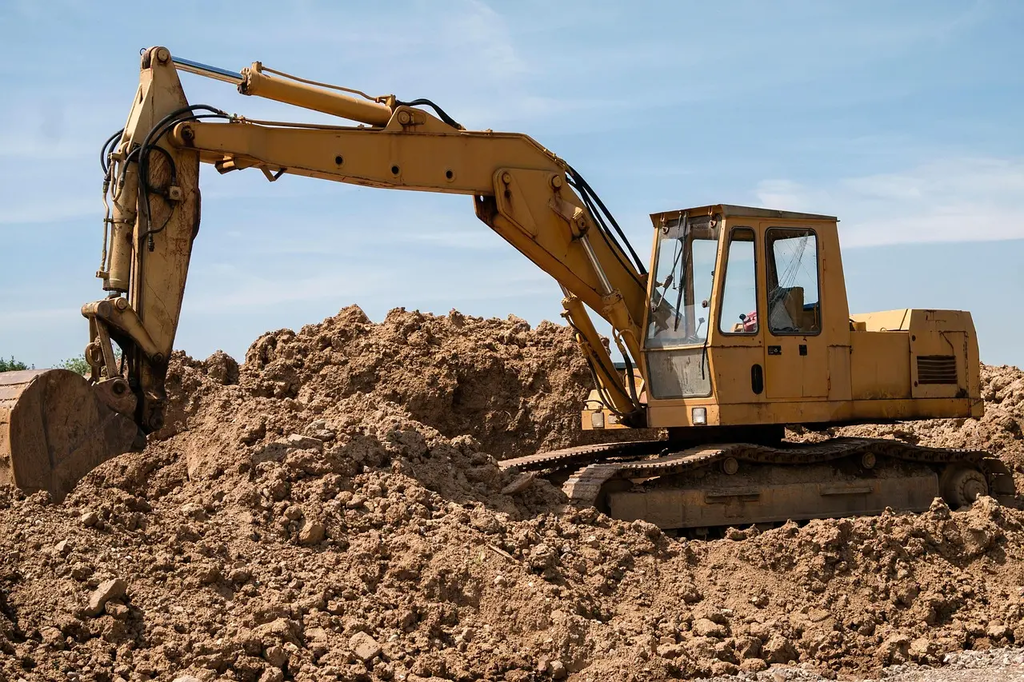
Environmental Impact Assessment (EIA) in the context of construction refers to a systematic process used to evaluate the potential environmental consequences of proposed construction projects before they begin. It identifies, predicts, and analyzes the effects of construction activities on the environment, including impacts on air, water, soil, biodiversity, and local communities. The goal is to inform decision-making, minimize negative impacts, and promote sustainable construction practices through mitigation measures and ongoing monitoring.
Environmental Impact Assessment+50
Environmental Impact Assessment (EIA) in the context of construction refers to a systematic process used to evaluate the potential environmental consequences of proposed construction projects before they begin. It identifies, predicts, and analyzes the effects of construction activities on the environment, including impacts on air, water, soil, biodiversity, and local communities. The goal is to inform decision-making, minimize negative impacts, and promote sustainable construction practices through mitigation measures and ongoing monitoring.

💡 Key Takeaways
- Define Environmental Impact Assessment (EIA) and its purpose in construction projects.
- Identify the main environmental aspects EIAs assess (air, water, soil, noise, biodiversity, waste).
- Explain the EIA process steps: scoping, baseline studies, impact prediction, mitigation, and monitoring.
- Compare different impact types: direct, indirect, cumulative, and irreversible effects, and how they are evaluated.
- Describe common mitigation measures and monitoring plans used to reduce construction impacts.
❓ Frequently Asked Questions
What is Environmental Impact Assessment (EIA) in the construction context?
A systematic process used before starting a construction project to identify, predict, and analyze potential environmental effects, helping decisions and mitigation.
Why is EIA important for construction projects?
It helps prevent or minimize harm to air, water, soil, biodiversity, and communities, ensures regulatory compliance, and informs project design and mitigation actions.
What are the typical steps in an EIA for construction?
Screening or scoping, baseline data collection, impact prediction and assessment, mitigation planning, public involvement, decision making, and monitoring.
What kinds of impacts are evaluated in a construction EIA?
Impacts on air and water quality, noise, soil erosion, biodiversity, waste, land use, traffic, climate change, and cultural or visual resources.