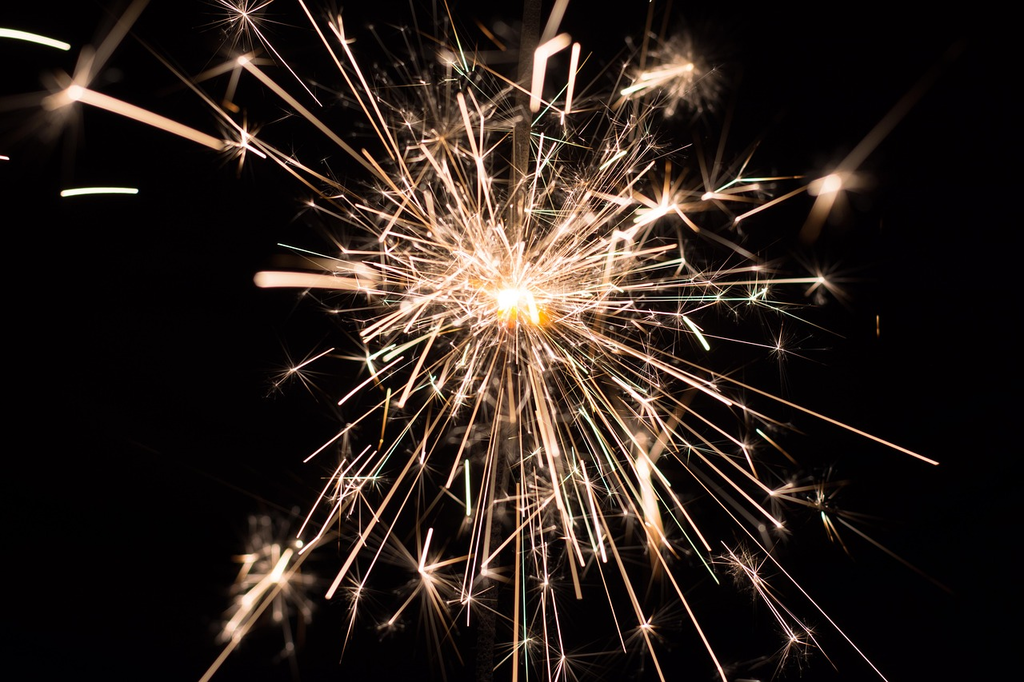
The environmental impact of fireworks on New Year's Eve is significant, as they release harmful chemicals, heavy metals, and particulate matter into the air. This pollution can degrade air quality, harm wildlife, and contaminate water sources when residue settles. Additionally, loud explosions disturb animals and contribute to noise pollution. The aftermath often includes litter from firework debris, further stressing ecosystems and requiring cleanup efforts to mitigate lasting environmental damage.
Environmental Impact of Fireworks
The environmental impact of fireworks on New Year's Eve is significant, as they release harmful chemicals, heavy metals, and particulate matter into the air. This pollution can degrade air quality, harm wildlife, and contaminate water sources when residue settles. Additionally, loud explosions disturb animals and contribute to noise pollution. The aftermath often includes litter from firework debris, further stressing ecosystems and requiring cleanup efforts to mitigate lasting environmental damage.
💡 Key Takeaways
- Understand the main environmental impacts of fireworks on air, water, and soil.
- Identify common chemicals and metals in fireworks and their ecological and health effects.
- Learn how fireworks affect wildlife, pets, and communities through noise, light, and debris.
- Explore strategies to reduce environmental harm, including cleaner formulations, event planning, and regulations.
❓ Frequently Asked Questions
What environmental pollutants are released by fireworks?
Fireworks release fine particulate matter (PM2.5/PM10), color-producing metal salts (barium, strontium, copper, aluminum), perchlorates, sulfur dioxide, and nitrogen oxides, plus ash and residues that can contaminate soil and water.
How do fireworks affect air and water quality?
They can cause short-term spikes in air pollution and lung irritation; rain can wash residues into rivers and lakes, while perchlorates and metals can persist in soil and water.
What impact do fireworks have on wildlife and pets?
Loud explosions and bright flashes stress and disorient wildlife and pets, potentially prompting flight or hiding; debris and chemicals can harm animals if ingested and can contaminate habitats.
How can we reduce the environmental impact of fireworks?
Opt for safer alternatives (silent or low-emission displays, drone light shows), ensure thorough cleanup of all debris, follow local rules and burn bans, and plan to minimize habitat disruption.