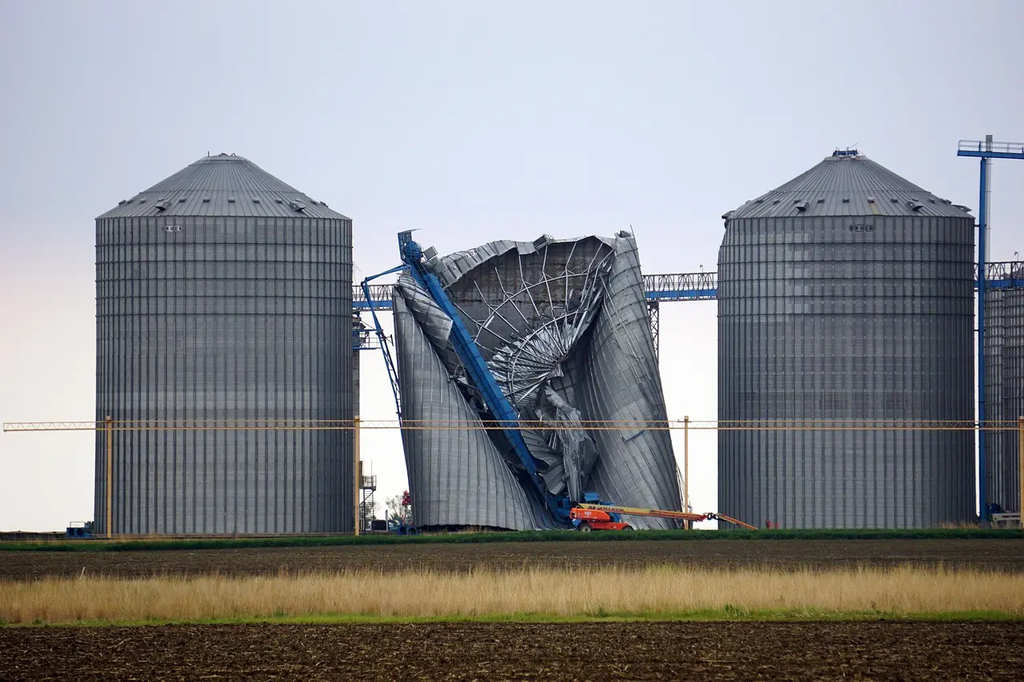
Environmental justice in disaster response and recovery ensures that all communities, especially marginalized and vulnerable groups, receive fair treatment and resources before, during, and after disasters. It addresses the disproportionate impacts disasters often have on low-income and minority populations by promoting equitable access to aid, recovery efforts, and decision-making processes. This approach seeks to eliminate systemic inequalities, fostering resilience and long-term well-being for all affected communities.
Environmental Justice in Disaster Response and Recovery
Environmental justice in disaster response and recovery ensures that all communities, especially marginalized and vulnerable groups, receive fair treatment and resources before, during, and after disasters. It addresses the disproportionate impacts disasters often have on low-income and minority populations by promoting equitable access to aid, recovery efforts, and decision-making processes. This approach seeks to eliminate systemic inequalities, fostering resilience and long-term well-being for all affected communities.
💡 Key Takeaways
- Define environmental justice in disaster response and recovery and explain why fair access to protection and resources matters for all communities.
- Describe how disasters disproportionately affect marginalized and vulnerable groups and the social determinants driving inequity.
- Explain practical strategies to ensure equitable access to resources before, during, and after disasters (shelters, funding, transportation, communications).
- Analyze real-world cases and policy approaches to advance environmental justice in disaster planning, response, and recovery.
❓ Frequently Asked Questions
What is environmental justice in disaster response and recovery?
Environmental justice ensures fair treatment and meaningful involvement for all communities in disaster planning, response, and recovery, addressing who bears hazards and who benefits from resources—especially marginalized groups.
Which groups are most at risk of disproportionate impacts from disasters?
Low-income households, racial and ethnic minorities, older adults, people with disabilities, and residents with limited English proficiency, who often have fewer resources to prepare, evacuate, or recover.
How do agencies promote environmental justice during disasters?
Through inclusive planning, accessible information and services, equitable resource allocation, community engagement, and enforcement of civil rights protections to identify and meet the needs of vulnerable communities.
What actions can communities take to advance environmental justice in disaster response and recovery?
Participate in planning processes, demand language access and culturally appropriate communication, advocate for fair shelter and aid distribution, monitor relief efforts, and report discrimination.