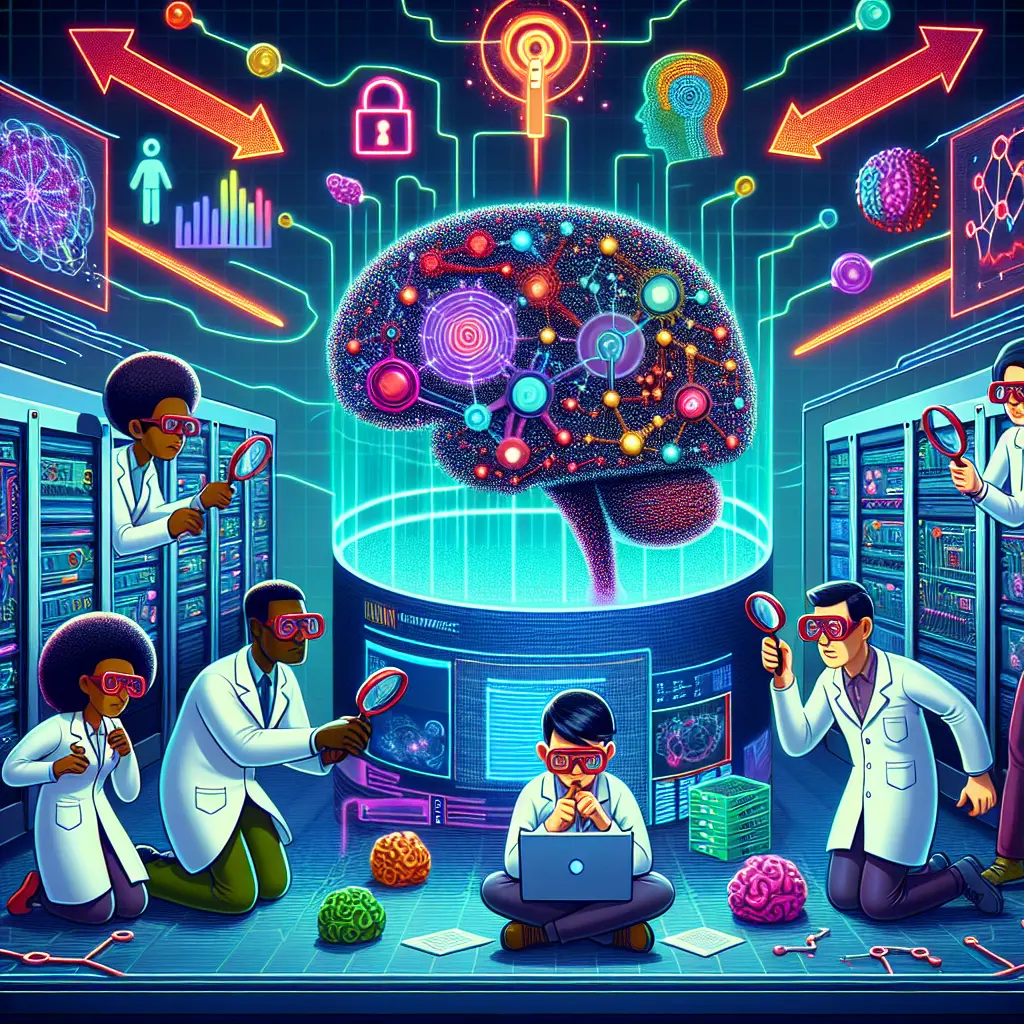
Translating ethical guidelines into actionable controls involves converting broad ethical principles into specific, practical steps that organizations and individuals can consistently follow. This process ensures that abstract values, such as fairness or integrity, are embedded in daily operations through clear policies, procedures, and measurable standards. By doing so, organizations can systematically uphold ethical standards, monitor compliance, and address potential ethical risks in a tangible, enforceable manner.
Ethical guidelines translation into actionable controls
Translating ethical guidelines into actionable controls involves converting broad ethical principles into specific, practical steps that organizations and individuals can consistently follow. This process ensures that abstract values, such as fairness or integrity, are embedded in daily operations through clear policies, procedures, and measurable standards. By doing so, organizations can systematically uphold ethical standards, monitor compliance, and address potential ethical risks in a tangible, enforceable manner.

💡 Key Takeaways
- Translate high-level ethical principles into concrete, auditable controls—policies, procedures, and decision logs for daily AI work.
- Build AI governance frameworks that define clear roles, responsibilities, and oversight across the organization.
- Define measurable indicators and monitoring processes to continuously assess alignment with ethics like fairness, transparency, and privacy.
- Embed ethics into operations through regular audits, incident reviews, and feedback loops to drive ongoing improvement.
❓ Frequently Asked Questions
What does translating ethical guidelines into actionable controls mean in AI governance?
It means turning broad principles (like fairness, privacy, and safety) into concrete policies, procedures, and technical controls that can be implemented and enforced.
What is an AI governance framework?
A structured set of roles, rules, processes, and controls that guide how AI systems are developed, deployed, and monitored to align with ethical principles and legal requirements.
How do policies and oversight ensure daily operations reflect ethics?
Policies codify expected behaviors and requirements; oversight (audits, monitoring, governance boards) checks compliance, detects deviations, and drives corrective actions.
How can abstract principles like fairness be turned into concrete controls?
By defining specific steps such as bias risk assessments, representative data requirements, fairness metrics, model explainability, and routine impact assessments.
How should governance frameworks stay up to date with AI advances?
Through periodic policy reviews, stakeholder input, ongoing training, monitoring regulatory changes, and adopting adaptive controls that evolve with technology.