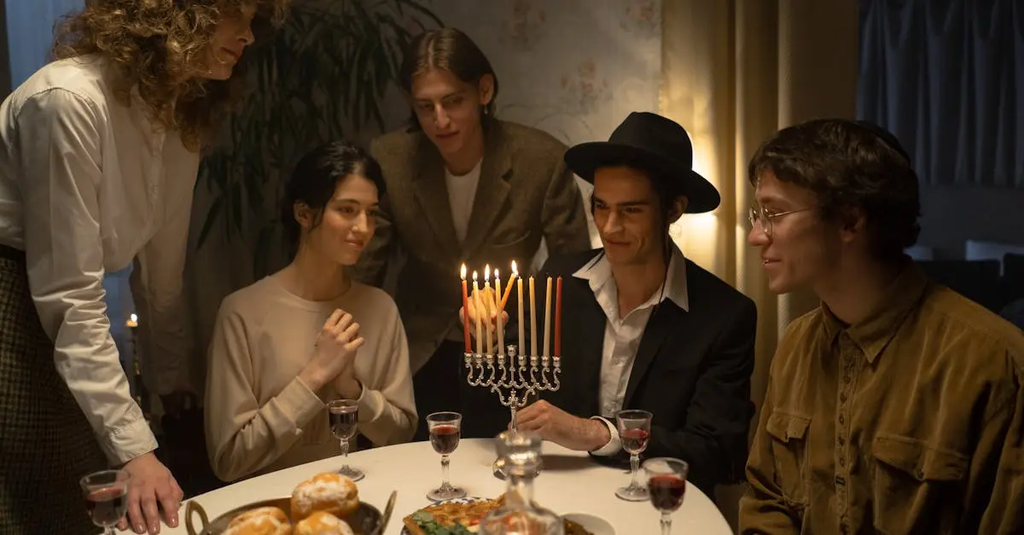
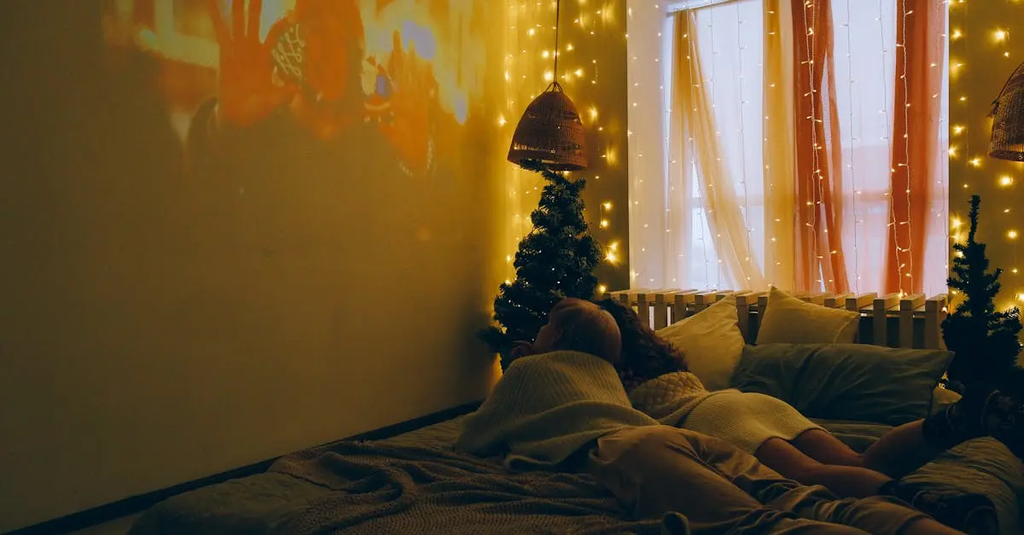
The phrase "Ethnography of Syncretic Winter Celebrations" refers to a detailed, qualitative study of how diverse cultural and religious traditions blend together in winter festivities. It involves observing, documenting, and analyzing rituals, symbols, and community practices that emerge when different belief systems interact. This ethnography seeks to understand how people create new, hybrid forms of celebration during the winter season, reflecting shared values, adaptation, and cultural exchange within a specific social context.
Ethnography of Syncretic Winter Celebrations
The phrase "Ethnography of Syncretic Winter Celebrations" refers to a detailed, qualitative study of how diverse cultural and religious traditions blend together in winter festivities. It involves observing, documenting, and analyzing rituals, symbols, and community practices that emerge when different belief systems interact. This ethnography seeks to understand how people create new, hybrid forms of celebration during the winter season, reflecting shared values, adaptation, and cultural exchange within a specific social context.

💡 Key Takeaways
- Understand how diverse cultural and religious winter traditions blend, creating hybrid rituals and symbols.
- Learn ethnographic methods for studying celebrations, including participant observation, interviews, and thematic analysis.
- Identify common motifs (lights, feasting, gift exchange, caroling) that appear across blended winter celebrations.
- Explore how communities negotiate meaning, belonging, and identity when traditions merge during the winter season.
❓ Frequently Asked Questions
What is ethnography in the context of winter celebrations?
A qualitative study that observes and describes how people experience, ritualize, and give meaning to winter festivals through field notes, interviews, and participation.
What does 'syncretic' mean regarding these celebrations?
The blending of beliefs, symbols, and practices from multiple cultures or religions into new, hybrid winter traditions.
What kinds of data might researchers collect in this ethnography?
Field observations, interviews, descriptions of rituals and symbols, calendars or timelines, and artifacts or photos of community practices.
Why do winter celebrations often become syncretic?
Due to cultural exchange, migration, shared spaces, and evolving meanings that lead communities to combine traditions in new ways.