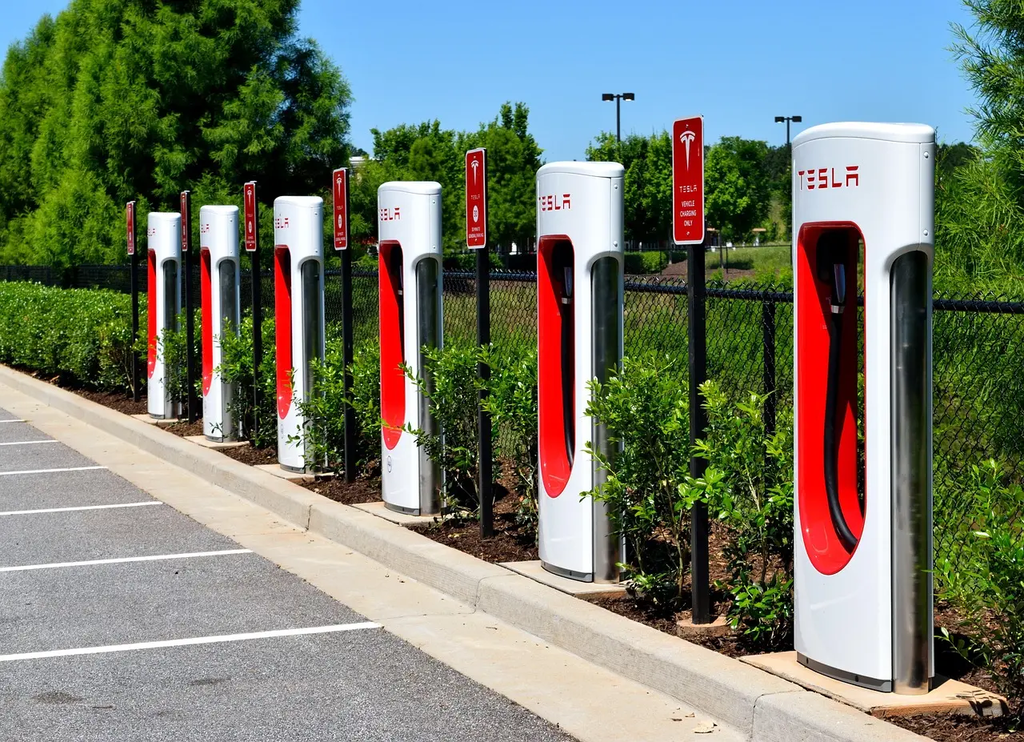
EV charging infrastructure refers to the network of facilities, equipment, and services that enable electric vehicles (EVs) to recharge their batteries. It includes public and private charging stations, fast chargers, home charging units, and related technologies. This infrastructure is essential for supporting the widespread adoption of EVs, ensuring convenient access to power, reducing range anxiety, and promoting sustainable transportation by facilitating the shift from gasoline-powered to electric vehicles.
EV Charging Infrastructure
EV charging infrastructure refers to the network of facilities, equipment, and services that enable electric vehicles (EVs) to recharge their batteries. It includes public and private charging stations, fast chargers, home charging units, and related technologies. This infrastructure is essential for supporting the widespread adoption of EVs, ensuring convenient access to power, reducing range anxiety, and promoting sustainable transportation by facilitating the shift from gasoline-powered to electric vehicles.
💡 Key Takeaways
- Identify the key components of EV charging infrastructure (public, private, home chargers) and how they serve different use cases.
- Compare charging levels (Level 1, Level 2, DC fast charging) and understand their impact on charging time and convenience.
- Explain how charging networks interact with the grid through smart charging, load management, and demand response.
- Explore future tech trends like wireless charging, vehicle-to-grid (V2G), and interoperability standards that enable seamless charging.
❓ Frequently Asked Questions
What is EV charging infrastructure?
It is the network of facilities, equipment, and services that lets electric vehicles recharge, including public and private chargers, home units, fast chargers, and related technology.
What are the main charging speeds and where are they used?
Level 1 (120 V) is slow and common for home use; Level 2 (240 V) is faster for home or public charging; DC fast charging provides rapid top-ups for trips.
What are the key components of an EV charging system?
Charging hardware (stations and connectors), the electrical supply and grid connection, and the back-end software that handles access, payments, and energy management.
What are some examples of future or emerging charging technologies?
Wireless or inductive charging, bidirectional V2G charging, smart charging that aligns with grid needs, and solar-integrated or modular charging networks.