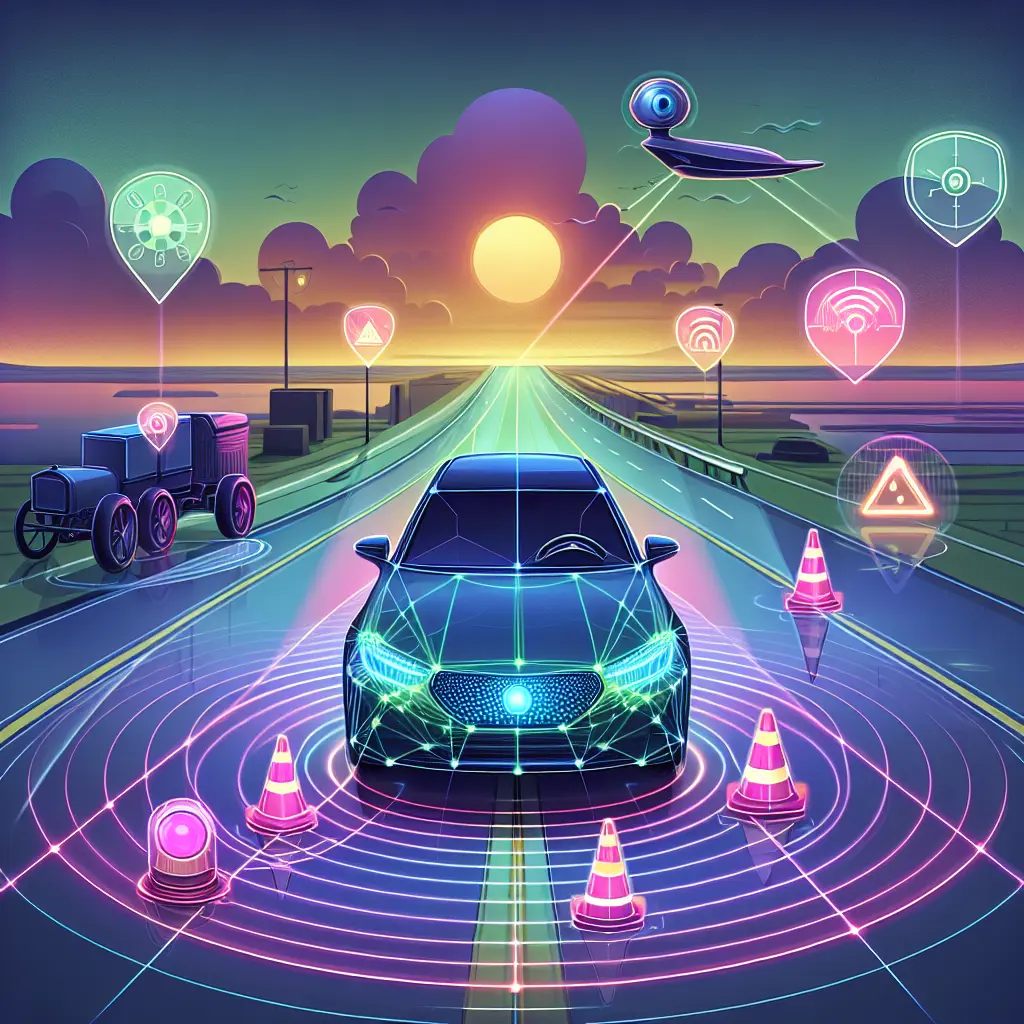
EV charging networks are interconnected stations that allow electric vehicle (EV) owners to recharge their batteries while on the road. Trip planning involves using digital tools or apps to map routes based on the availability and location of these charging points. This ensures drivers can travel longer distances without running out of power, making EVs more practical and convenient for everyday use and long journeys.
EV Charging Networks and Trip Planning
EV charging networks are interconnected stations that allow electric vehicle (EV) owners to recharge their batteries while on the road. Trip planning involves using digital tools or apps to map routes based on the availability and location of these charging points. This ensures drivers can travel longer distances without running out of power, making EVs more practical and convenient for everyday use and long journeys.
💡 Key Takeaways
- Understand how EV charging networks interconnect stations to enable roaming across networks.
- Learn to plan trips with apps that map charger locations, availability, and charging speeds to fit your route.
- Compare charging options by connector types and speeds to choose the right charger for each stop and minimize charging time.
- Consider cost, station reliability, and etiquette when charging on the road.
❓ Frequently Asked Questions
What is an EV charging network?
An EV charging network is a group of charging stations operated by one or more companies. It provides maps, apps, payment methods, and often roaming so you can recharge your vehicle across different locations and providers.
How does trip planning with charging stops work?
Use navigation apps or dedicated charging apps to plot a route with charging stops. Check live station availability and charger type, estimate energy needed, and schedule buffers for charging so you can maintain your travel time.
What are the common charging levels and how do they affect travel time?
Level 1 (120V) is the slowest, Level 2 (240V) is common at home or public spots and offers moderate to fast charging, and DC fast charging (50–350 kW) tops up quickly on long trips. Your vehicle’s max rate and connector compatibility determine actual speeds.
How can I manage costs and access across networks?
Most networks require an account or card and charge by kWh, minute, or per session. Roaming lets you use multiple networks with a single app or credential. Use price features in apps to compare costs and watch for idle fees.