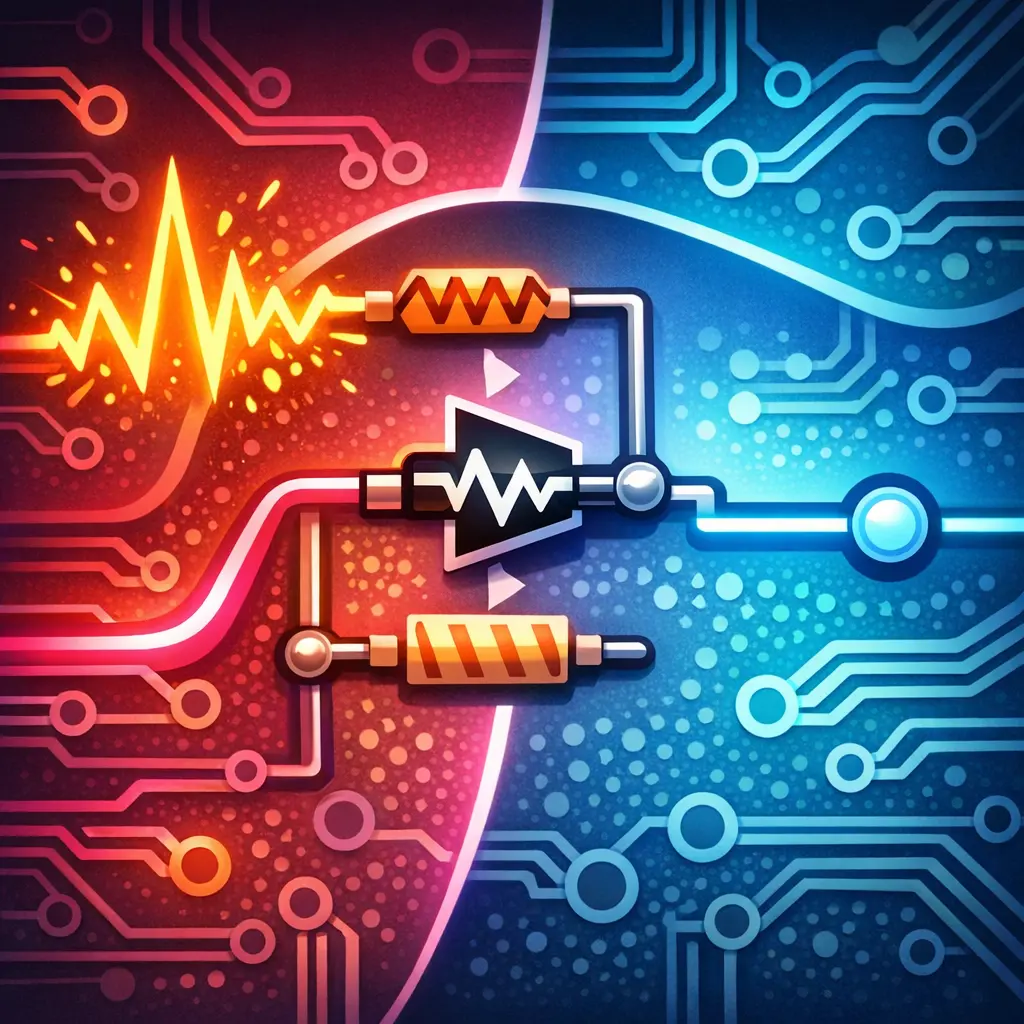
Everyday electronics applications involve the use of basic electricity and circuits to power and control devices commonly found in homes and workplaces. These applications rely on fundamental principles such as current, voltage, resistance, and the flow of electrons through conductive materials. Simple circuits, including series and parallel arrangements, are used in lighting, appliances, and gadgets, enabling tasks like switching devices on or off, regulating power, and ensuring safe, efficient operation.
Everyday Electronics Applications+50
Everyday electronics applications involve the use of basic electricity and circuits to power and control devices commonly found in homes and workplaces. These applications rely on fundamental principles such as current, voltage, resistance, and the flow of electrons through conductive materials. Simple circuits, including series and parallel arrangements, are used in lighting, appliances, and gadgets, enabling tasks like switching devices on or off, regulating power, and ensuring safe, efficient operation.

💡 Key Takeaways
- Identify how basic electronic components (resistors, capacitors, transistors) are used in common daily devices.
- Explain how sensors and microcontrollers power smart home gadgets and wearables.
- Understand power sources and energy-saving practices that extend battery life in everyday electronics.
- Recognize safety considerations and simple troubleshooting for common household electronics.
❓ Frequently Asked Questions
What is Ohm's Law and why is it important in everyday electronics?
Ohm's Law relates voltage (V), current (I), and resistance (R) with V = I × R. It helps predict current for a given voltage and resistance, or determine the required resistance to achieve a desired current. Example: 9 V across a 3 Ω resistor gives I = 3 A.
What are voltage, current, and resistance? How do they relate in a circuit?
Voltage is the electrical push that drives electrons, current is the rate of electron flow, and resistance is how much a material opposes that flow. They relate via V = I × R: increasing voltage or lowering resistance increases current.
How do series and parallel circuits differ for devices in everyday electronics?
In series, the same current flows through all components and total resistance is the sum. In parallel, the same voltage is across each branch, and total current is the sum of branch currents, with currents determined by each branch's resistance.
How do you calculate electrical power in a device?
Power P = V × I. It can also be written as P = I² × R or P = V² / R. Example: a 120 V device drawing 0.5 A uses P = 60 W.
What basic safety tips apply to everyday electronics?
unplug devices before servicing, avoid water or moisture around electronics, don't overload outlets, use properly rated fuses/grounding, inspect cords for damage, and use GFCI outlets in damp areas.