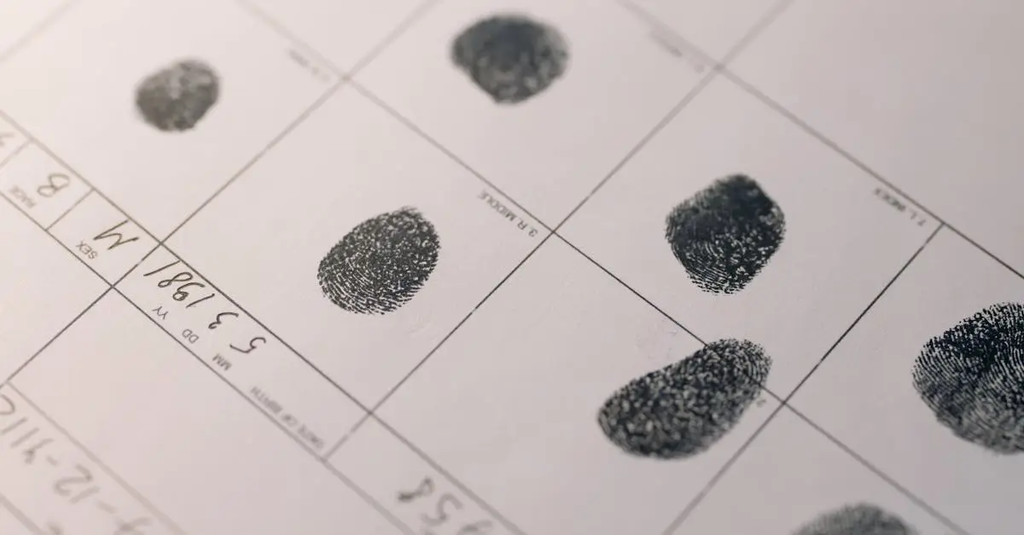
Evidence types are fundamental in investigations and legal processes. Physical evidence includes tangible items like weapons or fingerprints. Digital evidence refers to information stored or transmitted in electronic form, such as emails, files, or metadata. Testimonial evidence consists of statements or accounts given by witnesses under oath. Each type plays a unique role in establishing facts, supporting claims, or disproving allegations, and they often complement each other to build a comprehensive case.
Evidence Types: Physical, Digital, Testimonial Basics+50
Evidence types are fundamental in investigations and legal processes. Physical evidence includes tangible items like weapons or fingerprints. Digital evidence refers to information stored or transmitted in electronic form, such as emails, files, or metadata. Testimonial evidence consists of statements or accounts given by witnesses under oath. Each type plays a unique role in establishing facts, supporting claims, or disproving allegations, and they often complement each other to build a comprehensive case.
💡 Key Takeaways
- Define physical, digital, and testimonial evidence with simple examples for each.
- Learn how each type is collected, preserved, and documented to maintain integrity.
- Understand the strengths, limitations, and reliability of physical, digital, and testimonial evidence.
- Get a basic grasp of admissibility and chain of custody across all evidence types.
❓ Frequently Asked Questions
What is physical evidence?
Physical evidence consists of tangible items connected to a crime or event, such as weapons, fingerprints, clothing, or DNA samples; it can be observed, measured, and analyzed.
What is digital evidence?
Digital evidence includes information stored or transmitted electronically, such as emails, documents, images, metadata, or device logs; preserving its integrity often requires forensic imaging.
What is testimonial evidence?
Testimonial evidence is statements made by witnesses or suspects about what they observed or know, offered under oath or otherwise; credibility depends on memory, bias, and opportunity to mislead.
How are these evidence types collected and handled?
Physical evidence is collected with careful packaging and a strict chain of custody; digital evidence is preserved with write protection, secure imaging, and hash verification; testimonial evidence is documented and may be examined through cross-examination.
Why are multiple types of evidence used together?
Using physical, digital, and testimonial evidence provides a fuller picture, supports corroboration, and compensates for each type's limitations.