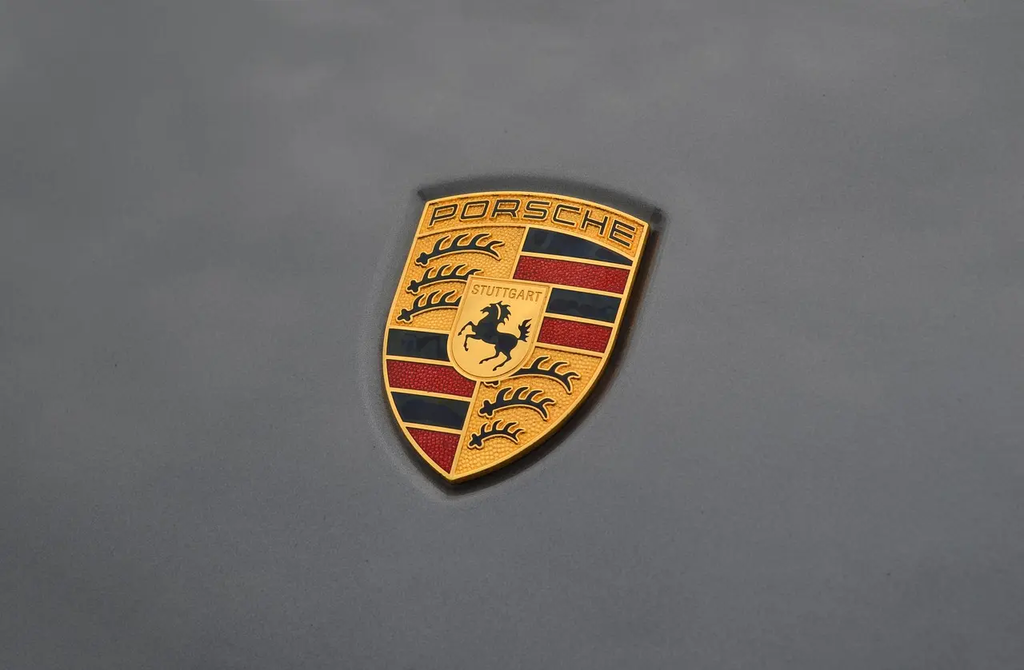
The evolution of car logos reflects the changing trends in design, technology, and brand identity within the automotive industry. Early logos were often intricate and detailed, symbolizing prestige and craftsmanship. Over time, many brands have simplified their logos for a modern, minimalist look, emphasizing luxury and recognition. This transformation mirrors the industry's shift towards innovation and global appeal, making car logos powerful symbols of status, heritage, and luxury in today's market.
Evolution of Car Logos
The evolution of car logos reflects the changing trends in design, technology, and brand identity within the automotive industry. Early logos were often intricate and detailed, symbolizing prestige and craftsmanship. Over time, many brands have simplified their logos for a modern, minimalist look, emphasizing luxury and recognition. This transformation mirrors the industry's shift towards innovation and global appeal, making car logos powerful symbols of status, heritage, and luxury in today's market.
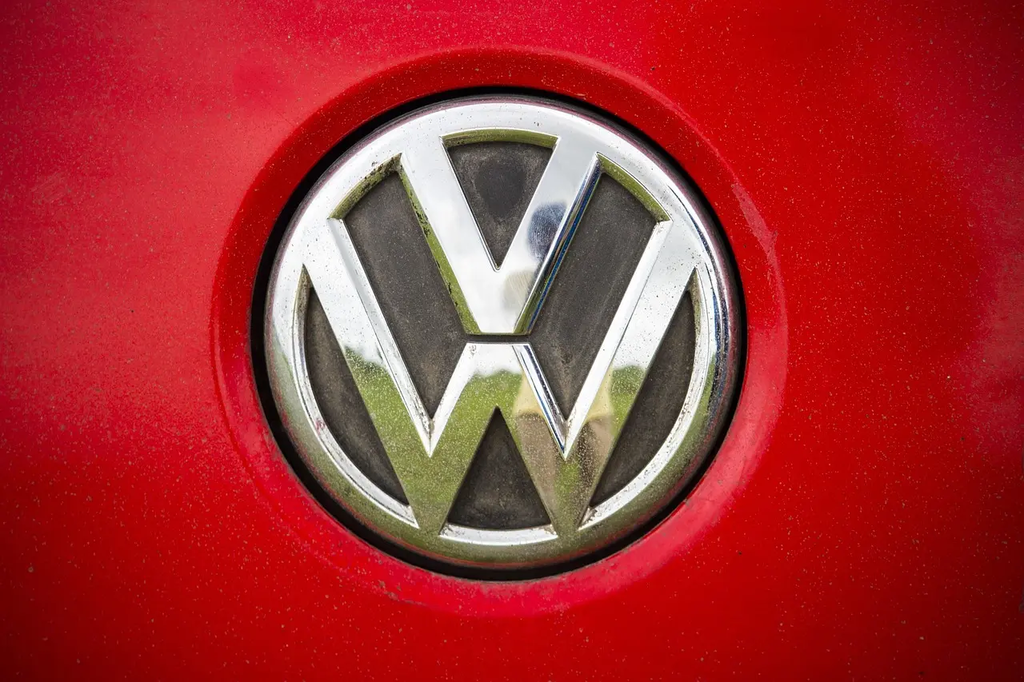
💡 Key Takeaways
- Trace the evolution of car logos from ornate early emblems to today's minimalist brand marks.
- Identify common symbols (rings, shields, wings, animals) and their meanings in automotive logos.
- Explore how color, shape, and typography influence brand recognition and perceived value.
- Understand why logos are redesigned and how trends, technology, and market positioning drive updates.
❓ Frequently Asked Questions
What is the main purpose of a car logo?
To identify the brand at a glance, communicate values, and help customers distinguish the car from competitors.
Why do car logos evolve over time?
To stay current with design trends, improve legibility in digital media, and reflect changes in company strategy or ownership.
What design changes are common in logo evolution?
Simplification, flat color palettes, fewer details, and shapes that scale well on badges and screens.
How do mergers or ownership changes affect logos?
New branding may be introduced to unify products under one identity or signal a new direction while honoring heritage.
Can logos convey heritage or symbolism?
Yes, many logos keep symbols (like animals, stars, or circles) that hint at a brand’s history or engineering philosophy.