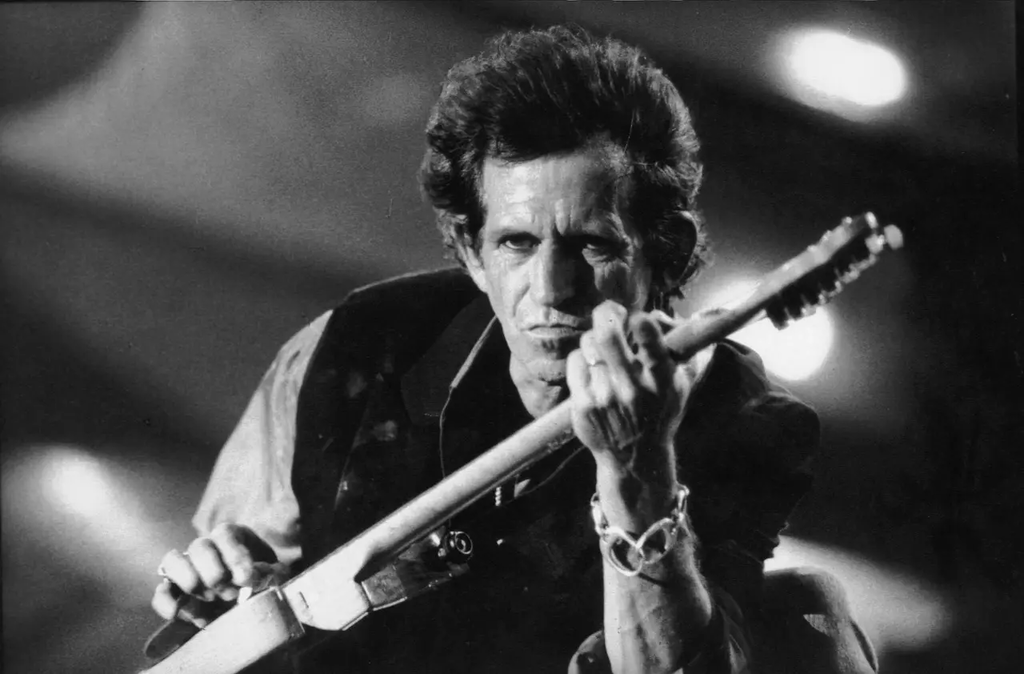
The phrase "Evolution of Rock Music (Music Icons: Then & Now)" refers to the transformation and progression of rock music from its origins to the present day. It highlights how influential musicians and bands from past decades shaped the genre’s sound and style, while contemporary artists continue to innovate and redefine it. The phrase emphasizes both the enduring legacy of classic rock icons and the dynamic changes brought by modern performers.
Evolution of Rock Music
The phrase "Evolution of Rock Music (Music Icons: Then & Now)" refers to the transformation and progression of rock music from its origins to the present day. It highlights how influential musicians and bands from past decades shaped the genre’s sound and style, while contemporary artists continue to innovate and redefine it. The phrase emphasizes both the enduring legacy of classic rock icons and the dynamic changes brought by modern performers.

💡 Key Takeaways
- Trace the origins of rock from blues and early rock and roll to today.
- Identify key eras and subgenres that shaped rock (classic, psychedelic, hard rock, punk, alternative).
- Explore how guitar riffs, drums, and studio production created the rock sound.
- Recognize influential artists and landmark albums that defined each era.
❓ Frequently Asked Questions
What is rock music and where did it originate?
Rock began in the United States in the 1950s, blending blues, country, and gospel. Key traits include electric guitars, a strong backbeat, and simple song structures, with early icons like Chuck Berry and Elvis Presley helping shape its sound.
What was the British Invasion and why was it a turning point?
In the mid-1960s, British bands like The Beatles and The Rolling Stones popularized rock worldwide, expanding studio experimentation, fashion, and cross-genre influence.
Which subgenres helped evolve rock in the 1960s–1980s?
Psychedelic and progressive rock broadened studio experimentation; hard rock and heavy metal intensified guitar-driven sound; punk introduced a fast, stripped-down, DIY ethos.
How did technology and culture shape rock's modern evolution?
Advances in amplification and recording, the rise of MTV, and later streaming changed production, distribution, and cross-genre blending, fueling global influence and new sounds.