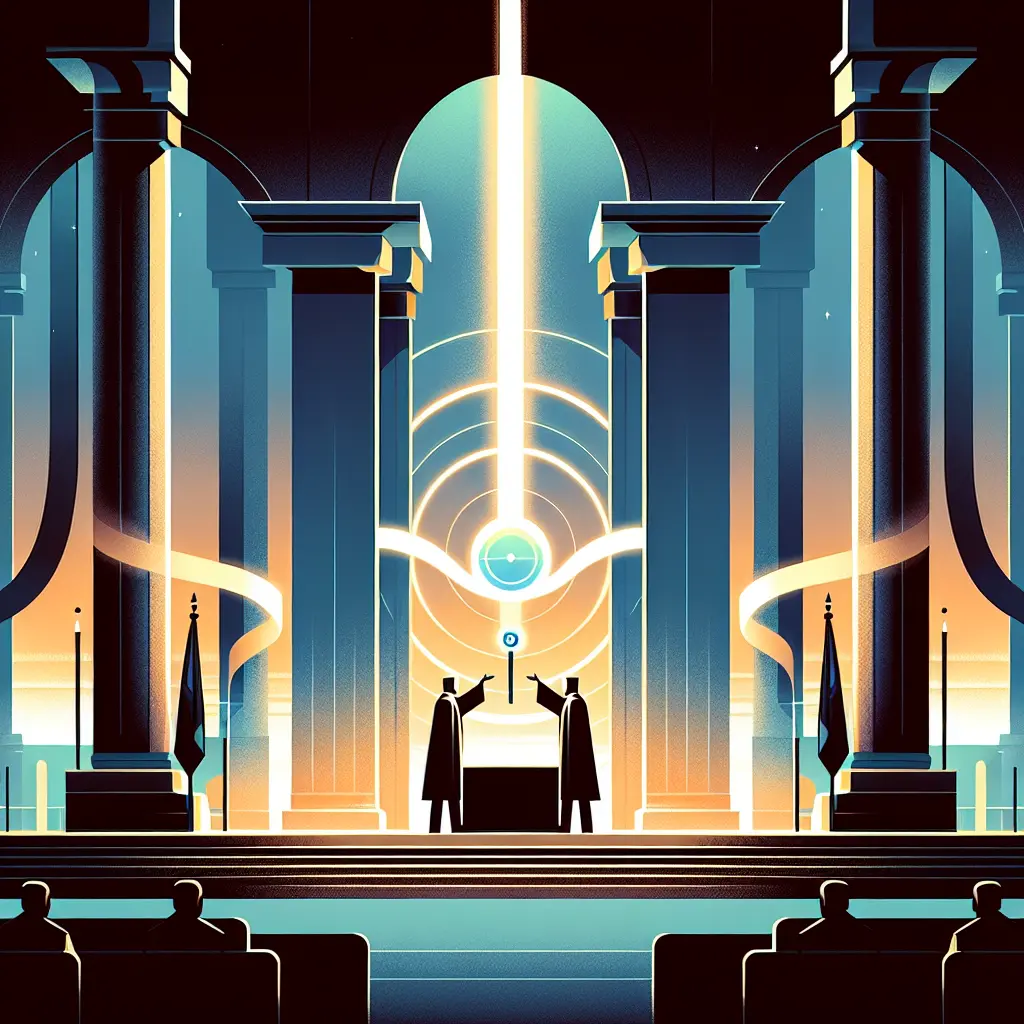
The "Evolution of the Imperial Presidency Thesis" refers to the idea that the power of the U.S. presidency has significantly expanded beyond its original constitutional limits. Over time, presidents have assumed greater authority, especially in foreign policy and emergency situations, often bypassing Congress. This thesis suggests a shift from a balanced separation of powers toward a more dominant executive branch, raising concerns about accountability and the potential erosion of democratic checks and balances.
Evolution of the Imperial Presidency Thesis
The "Evolution of the Imperial Presidency Thesis" refers to the idea that the power of the U.S. presidency has significantly expanded beyond its original constitutional limits. Over time, presidents have assumed greater authority, especially in foreign policy and emergency situations, often bypassing Congress. This thesis suggests a shift from a balanced separation of powers toward a more dominant executive branch, raising concerns about accountability and the potential erosion of democratic checks and balances.
💡 Key Takeaways
- Explain the core idea of the Imperial Presidency thesis: presidential power has expanded beyond constitutional limits, especially in foreign policy and emergencies.
- Identify mechanisms that have broadened authority, including executive orders, signing statements, executive agreements, and emergency powers.
- Recognize historical turning points often cited as evidence of expansion (e.g., Cold War, Vietnam War, post-9/11 era).
- Understand how checks and balances—Congress, the courts, and public opinion—have sought to constrain presidential power, and why debates about legitimacy persist.
❓ Frequently Asked Questions
What is the Imperial Presidency thesis?
A theory that the U.S. presidency has grown beyond its constitutional limits, especially in foreign policy and emergencies, reducing the effectiveness of checks and balances.
Who coined the term and what does it criticize?
Historian Arthur M. Schlesinger Jr. popularized the phrase in the 1960s, criticizing the presidency for accumulating power and bypassing Congress.
What tools have presidents used to expand power?
Executive orders, signing statements, unilateral foreign and military actions, and expansive emergency or national security powers that operate with less Congressional oversight.
Why is the idea debated among scholars?
Some see a real trend toward greater unilateral power; others argue expansion is context-dependent, often legally grounded in crises, and balanced by other constitutional mechanisms.
What historical examples are commonly cited?
FDR’s New Deal and wartime measures; Truman’s early Cold War actions; Nixon’s use of executive privilege and covert actions; post-9/11 security measures under subsequent presidents—each cited to illustrate expansion, with ongoing debate about its classification.