"Explorers & Discoveries: Close Reading, Source Analysis & Evidence" refers to a study approach focused on historical explorers and their achievements. It emphasizes careful examination of texts (close reading), critical evaluation of primary and secondary sources (source analysis), and the use of factual information (evidence) to draw conclusions. This method helps students develop analytical skills, understand historical context, and form well-supported interpretations about significant explorations and discoveries in history.
Explorers & Discoveries: Close Reading, Source Analysis & Evidence
"Explorers & Discoveries: Close Reading, Source Analysis & Evidence" refers to a study approach focused on historical explorers and their achievements. It emphasizes careful examination of texts (close reading), critical evaluation of primary and secondary sources (source analysis), and the use of factual information (evidence) to draw conclusions. This method helps students develop analytical skills, understand historical context, and form well-supported interpretations about significant explorations and discoveries in history.
💡 Key Takeaways
- Use close reading to identify explorers' goals, routes, key discoveries, and their historical context.
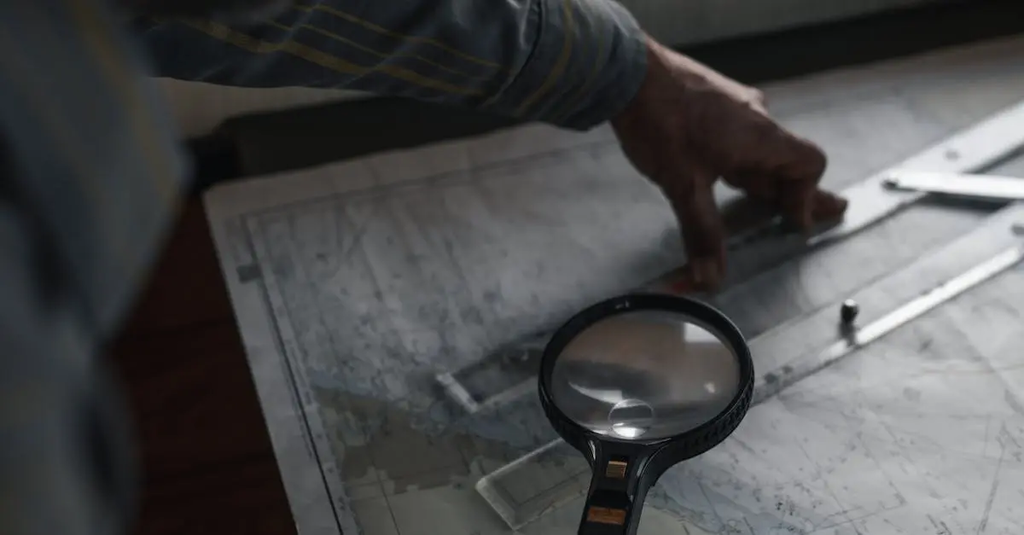
- Evaluate primary sources (logs, maps, journals) and secondary sources for reliability, bias, and perspective.
- Synthesize evidence from multiple sources to explain how discoveries reshaped world geography, trade networks, and cultural contact.
- Practice citing and organizing textual evidence to support clear, evidence-based historical arguments about explorers and their legacies.
❓ Frequently Asked Questions
What is close reading in this context?
Close reading means carefully examining historical texts to understand claims, evidence, authorship, purpose, and context; notice language, assumptions, and how the text supports its arguments.
How do you distinguish primary sources from secondary sources, and why are both important?
Primary sources are original artifacts from the explorer era (diaries, logs, maps). Secondary sources are later analyses (histories, articles) that interpret those sources. Use both: primary provides direct evidence; secondary offers context and interpretation.
How should you evaluate credibility and bias in sources?
Check the author, date, purpose, and intended audience; compare information across multiple sources; consider possible biases from nationality, goals, or time period; look for missing viewpoints.
Why is geography important when studying explorers and discoveries?
Geography explains why explorers chose routes, faced challenges, and achieved certain outcomes. Maps, routes, climates, and terrain show how place shaped discovery and its consequences.