"Explorers & Discoveries: Historical & Cultural Context" refers to understanding the journeys and achievements of explorers within the time periods and societies in which they lived. It emphasizes how historical events, technological advancements, and cultural beliefs shaped exploration efforts, motivations, and the impact of discoveries. This context helps explain why certain lands were explored, how encounters with new peoples unfolded, and the lasting influence of these discoveries on world history and cultural exchange.
Explorers & Discoveries: Historical & Cultural Context
"Explorers & Discoveries: Historical & Cultural Context" refers to understanding the journeys and achievements of explorers within the time periods and societies in which they lived. It emphasizes how historical events, technological advancements, and cultural beliefs shaped exploration efforts, motivations, and the impact of discoveries. This context helps explain why certain lands were explored, how encounters with new peoples unfolded, and the lasting influence of these discoveries on world history and cultural exchange.
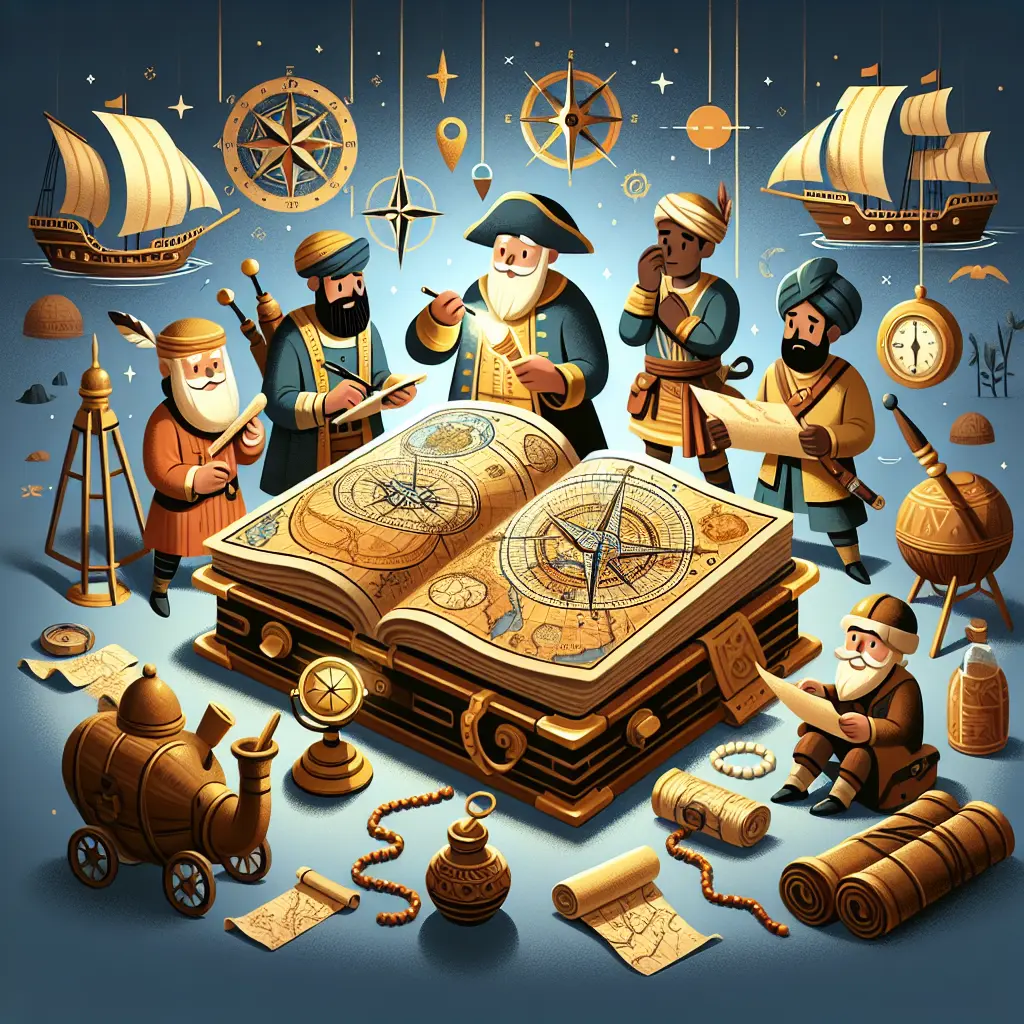
💡 Key Takeaways
- See how historical context (politics and economy) shaped exploration goals and routes.
- Identify key technologies (navigation tools, ships, cartography) that enabled long voyages.
- Explore how cultural beliefs, religions, and intercultural encounters influenced explorers and their reports.
- Compare regional explorers to understand different motivations, methods, and legacies.
- Understand how geography and mapping shaped where and what was discovered.
❓ Frequently Asked Questions
What were the main motives for explorers during the Age of Exploration?
Economic gain through new trade routes and resources; religious aims like spreading Christianity; political competition and national prestige; and curiosity about unknown lands.
How did technology enable long distance exploration?
Navigation tools such as the compass and astrolabe, improved ships like the caravel and carrack with lateen sails, and better maps and charts made longer voyages feasible.
How did cultural beliefs influence exploration and encounters with others?
Religious and ethnocentric beliefs shaped goals, treatment of indigenous peoples, and the approach to exchanges, conquest, or collaboration during voyages.
What historical context framed exploration in this period?
From the 15th to 17th centuries, European powers like Portugal, Spain, the Netherlands, and later England sponsored voyages in search of wealth and routes, leading to global exchanges and the Columbian Exchange.