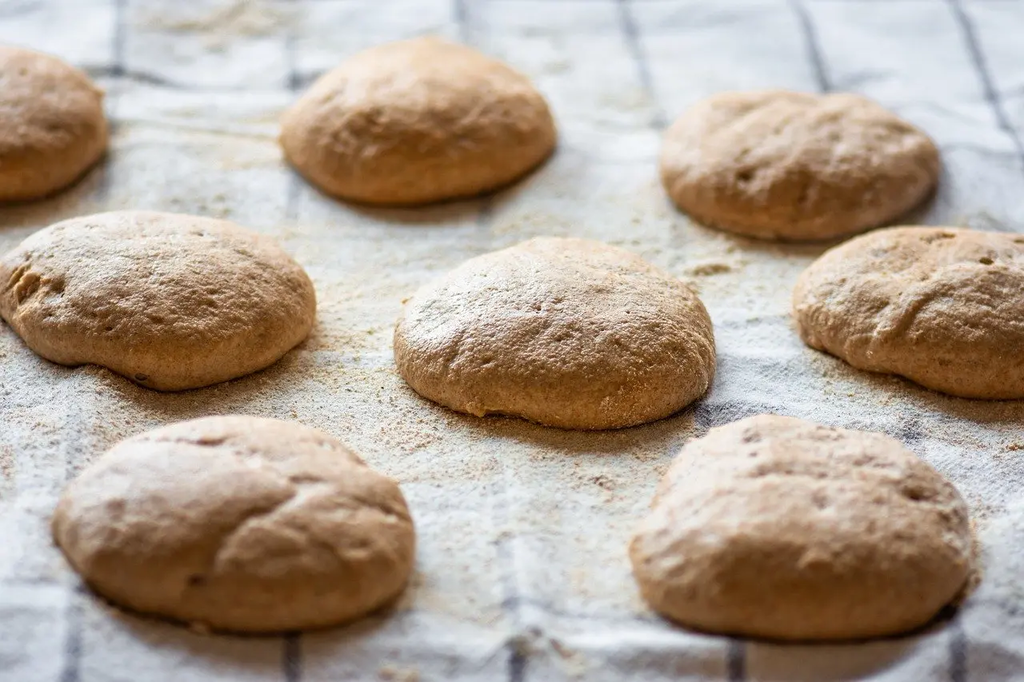
"Exploring Global Food and Identity (Food & Global Flavors)" refers to examining how diverse cuisines reflect cultural traditions, values, and histories around the world. It involves discovering unique ingredients, cooking methods, and food rituals that shape individual and collective identities. By tasting and understanding global flavors, people gain insight into different societies and foster appreciation for culinary diversity, ultimately connecting food to personal and cultural expression.
Exploring Global Food and Identity
"Exploring Global Food and Identity (Food & Global Flavors)" refers to examining how diverse cuisines reflect cultural traditions, values, and histories around the world. It involves discovering unique ingredients, cooking methods, and food rituals that shape individual and collective identities. By tasting and understanding global flavors, people gain insight into different societies and foster appreciation for culinary diversity, ultimately connecting food to personal and cultural expression.

💡 Key Takeaways
- Understand how global foods reflect cultural identity and personal stories across regions.
- Recognize key regional dishes and ingredients from around the world.
- Explore how migration, trade, and globalization shape food traditions.
- Reflect on the role of food in celebrations, memory, and community identity.
❓ Frequently Asked Questions
What does 'global food and identity' mean?
It describes how culture and belonging are expressed through what people eat, including dishes, ingredients, and food practices shaped by history, migration, and cross-cultural exchange.
How does migration influence the foods people eat?
Migration brings new flavors, techniques, and food memories from different regions, which merge with local traditions to create hybrid cuisines that reflect multiple identities.
What is foodways?
Foodways is the study of how communities practice, share, and assign meaning to food, covering sourcing, preparation, sharing, and the rituals around eating.
How can globalization affect local food traditions?
Globalization spreads ingredients and cooking styles worldwide, enriching cuisines but also risking the erosion of some traditional dishes if preservation and context are not maintained.