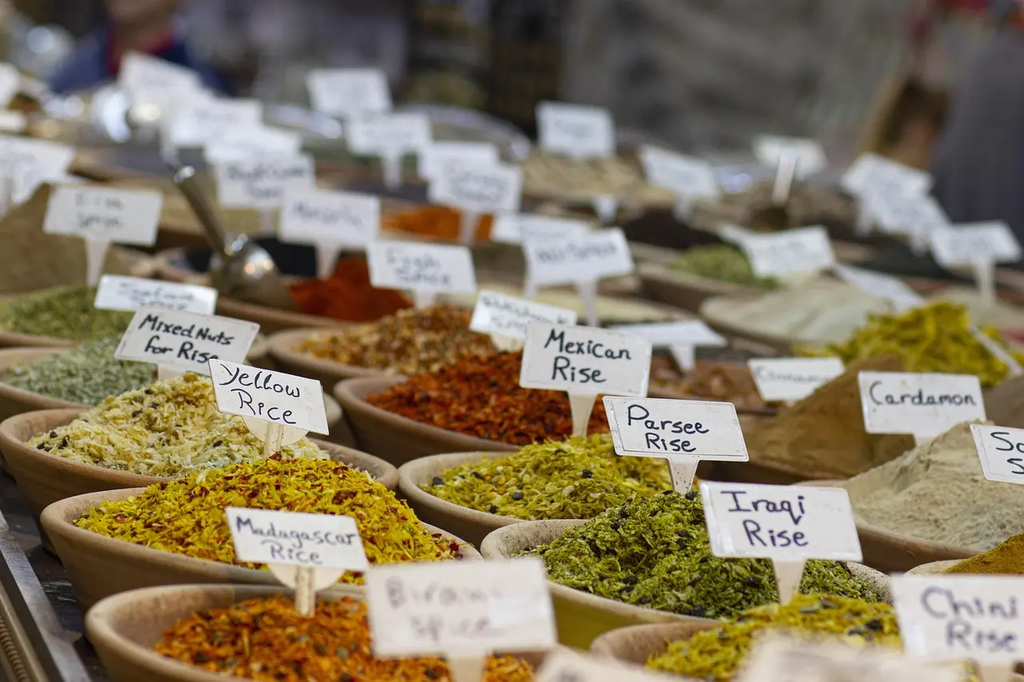
Exploring global spice markets involves discovering a vibrant world of flavors, aromas, and culinary traditions from around the globe. These markets offer a sensory journey, showcasing spices like saffron, cardamom, turmeric, and chili, each reflecting the unique culture and cuisine of its origin. Engaging with global spice markets enhances understanding of international food heritage and inspires creative cooking, connecting people through the universal language of taste.
Exploring Global Spice Markets
Exploring global spice markets involves discovering a vibrant world of flavors, aromas, and culinary traditions from around the globe. These markets offer a sensory journey, showcasing spices like saffron, cardamom, turmeric, and chili, each reflecting the unique culture and cuisine of its origin. Engaging with global spice markets enhances understanding of international food heritage and inspires creative cooking, connecting people through the universal language of taste.
💡 Key Takeaways
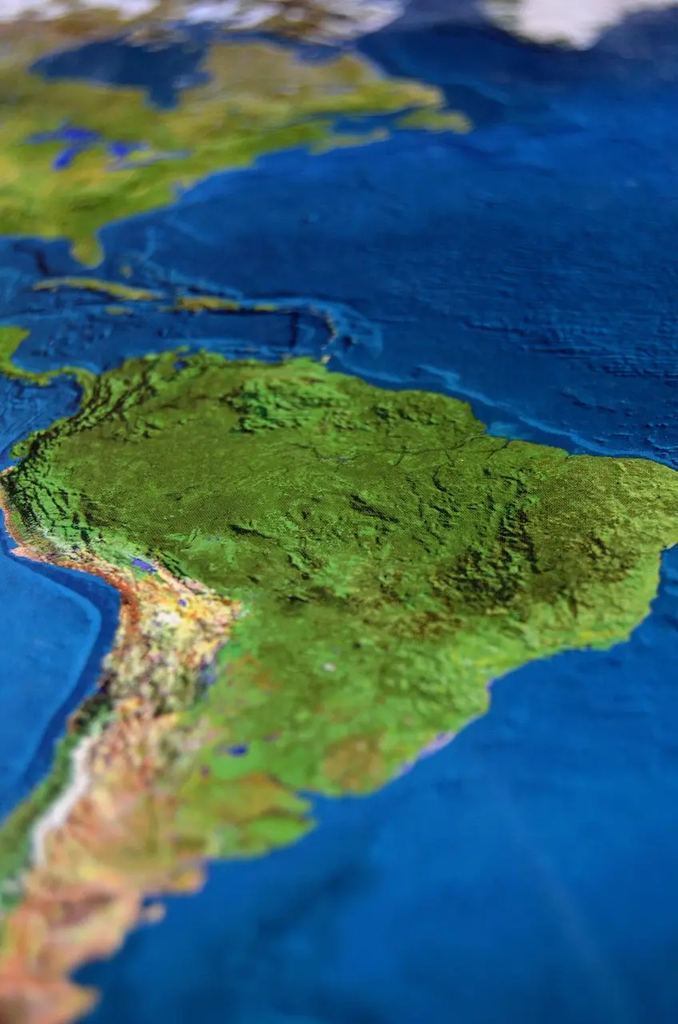
- Identify major global spice regions and the signature spices they are known for (e.g., pepper from India, cloves from Indonesia, cinnamon from Sri Lanka).
- Explain how centuries of spice trade shaped economies, exploration, and cross-cultural cuisines.
- Describe the factors that influence spice availability and prices today, including weather, politics, demand, and logistics.
- Assess sustainability and ethical considerations in spice sourcing and fair-trade practices.
❓ Frequently Asked Questions
Which spices dominate global markets and where are they commonly produced?
Spices like black pepper, vanilla, cinnamon, cardamom, cumin, turmeric, and saffron drive much of world trade; major producers include India, Vietnam, Indonesia, Sri Lanka, and Madagascar.
How do climate and geography influence spice flavor and supply?
Terroir—soil, altitude, rainfall, and temperature—shapes flavor, while harvest seasons, monsoons, and weather events affect yields and quality, influencing availability.
What does the typical spice trade supply chain look like?
Smallholders or cooperatives grow the spices, traders or mills process and grade them, exporters ship to importing countries, and retailers sell to consumers; certifications (e.g., Fair Trade, Organic) often accompany the trade.
Why do spice prices rise and fall?
Prices fluctuate due to weather shocks, crop yields, pests or diseases, currency movements, demand shifts, and changes in transportation costs.