Exploring global tea and coffee cultures involves discovering how different countries prepare, serve, and enjoy these beloved beverages. From Japanese tea ceremonies and British afternoon tea to Turkish coffee rituals and Italian espresso bars, each culture brings unique flavors, traditions, and social customs. This journey highlights the diversity of ingredients, brewing methods, and the important role tea and coffee play in connecting people and shaping culinary identities around the world.
Exploring Global Tea and Coffee Cultures
Exploring global tea and coffee cultures involves discovering how different countries prepare, serve, and enjoy these beloved beverages. From Japanese tea ceremonies and British afternoon tea to Turkish coffee rituals and Italian espresso bars, each culture brings unique flavors, traditions, and social customs. This journey highlights the diversity of ingredients, brewing methods, and the important role tea and coffee play in connecting people and shaping culinary identities around the world.
💡 Key Takeaways
- Identify the global origins and cultural significance of tea and coffee.
- Compare notable preparation rituals and serving styles (e.g., tea ceremonies, espresso culture, Turkish coffee, chai traditions).
- Understand how brewing variables like water temperature and extraction time affect flavor.
- Explore how tea and coffee shape social rituals and hospitality across regions.
❓ Frequently Asked Questions
What are the primary plant sources for tea and coffee?
Tea comes from Camellia sinensis; coffee comes from Coffea species (e.g., Arabica and Robusta). Flavors vary with processing, origin, and roasting.
Which regions are famous for traditional tea ceremonies and tea cultures?
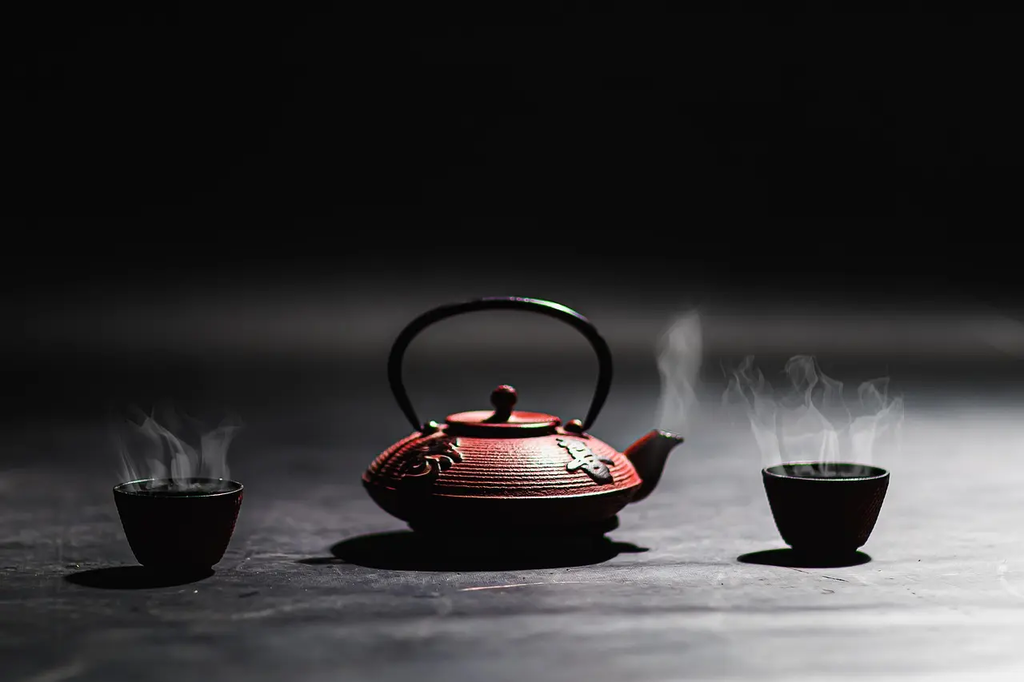
China (gongfu tea), Japan (tea ceremony), India and Sri Lanka (chai culture), Britain (afternoon tea), and Morocco (mint tea) are notable examples of strong tea traditions.
What is espresso, and how does it differ from drip coffee?
Espresso is brewed by forcing hot water through finely ground coffee under high pressure, producing a small, concentrated shot with crema. Drip coffee brews a larger cup by gravity.
What does the word 'chai' mean and how is it typically served in many cultures?
In many languages, 'chai' means tea. In South Asia, it commonly refers to spiced milk tea (chai masala), served hot and often sweet.