Exploring Molecular Gastronomy (Food & Global Flavors) involves delving into the science behind cooking, using innovative techniques to transform ingredients and textures. This culinary approach combines chemistry and artistry, allowing chefs to deconstruct traditional dishes and reimagine them with global influences. By experimenting with flavors and presentation, molecular gastronomy creates unique sensory experiences that challenge conventional dining and celebrate the diversity of world cuisines.
Exploring Molecular Gastronomy
Exploring Molecular Gastronomy (Food & Global Flavors) involves delving into the science behind cooking, using innovative techniques to transform ingredients and textures. This culinary approach combines chemistry and artistry, allowing chefs to deconstruct traditional dishes and reimagine them with global influences. By experimenting with flavors and presentation, molecular gastronomy creates unique sensory experiences that challenge conventional dining and celebrate the diversity of world cuisines.
💡 Key Takeaways
- Understand the basic idea of molecular gastronomy and how science informs cooking
- Learn common techniques (spherification, gelification, foams, emulsions, sous-vide) used in molecular gastronomy
- See how temperature, texture, and flavor are manipulated with science
- Consider safety and practical tips for experimenting with molecular gastronomy in the kitchen
❓ Frequently Asked Questions
What is molecular gastronomy?
A culinary approach that uses science to study and control the physical and chemical changes in cooking, enabling new textures, flavors, and presentations.
What are spherification and gelification?
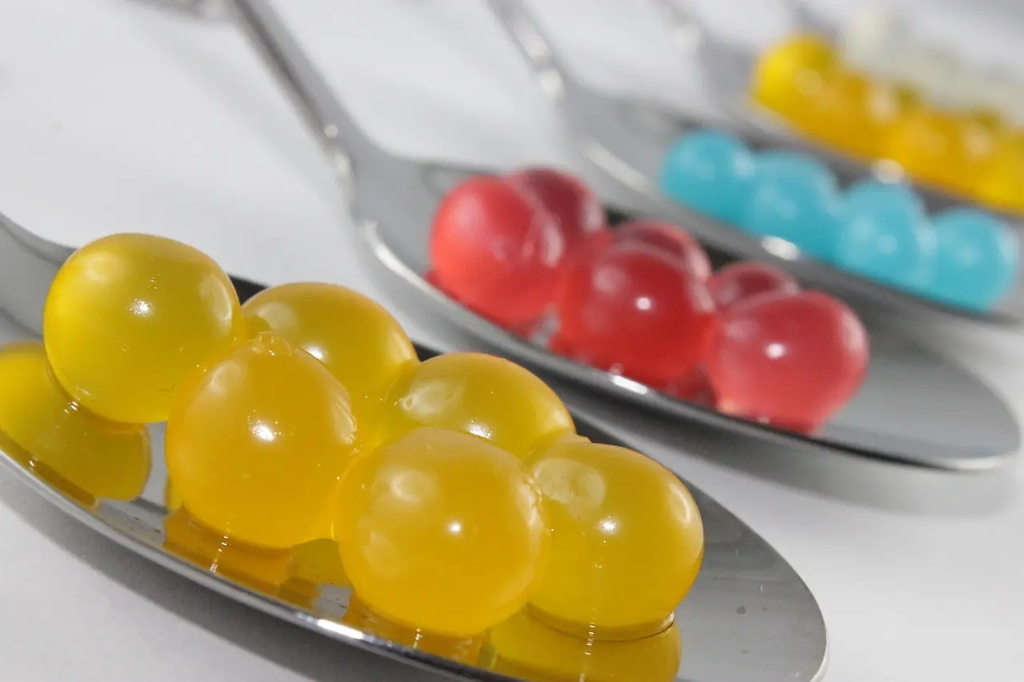
Spherification creates liquid-filled spheres with a thin gel membrane; gelification uses hydrocolloids (like gelatin or agar) to turn liquids into gels with different textures.
What is an espuma or foaming technique?
Foaming adds air to liquids to create light, airy textures and intensified aromas, stabilized by proteins or emulsifiers.
What equipment or ingredients are commonly used in molecular gastronomy?
Siphons with gas chargers (e.g., nitrous oxide), immersion blenders, sous-vide devices, and sometimes liquid nitrogen for dramatic textures and temperature effects.