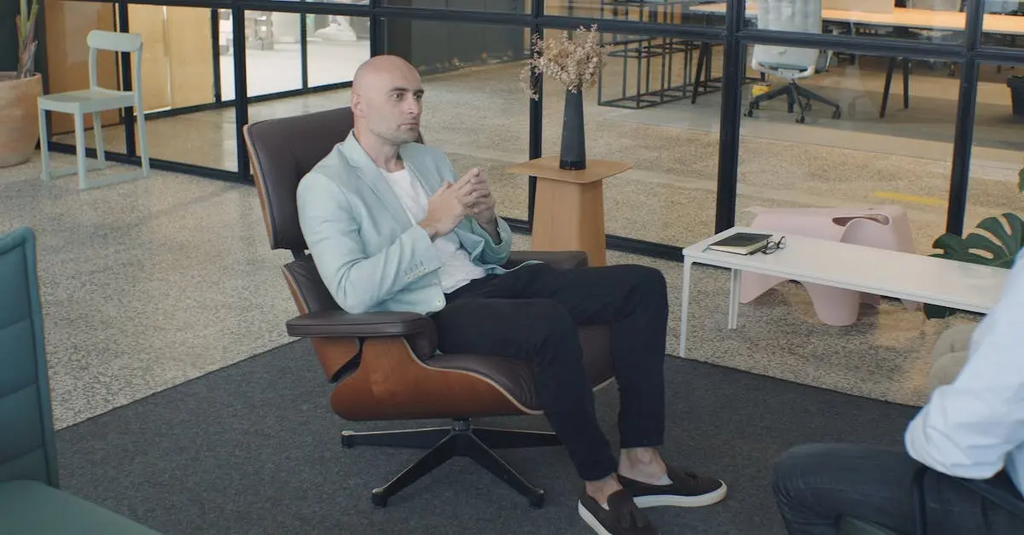
Exposure therapy is a psychological treatment designed to help individuals confront and reduce their anxiety by gradually and repeatedly exposing them to the feared object, situation, or memory in a controlled environment. This process helps desensitize the person to anxiety triggers, allowing them to manage their fears more effectively. Over time, exposure therapy can significantly decrease avoidance behaviors and anxiety symptoms, making it a widely used and effective approach in anxiety treatment.
Exposure Therapy and Anxiety Treatment
Exposure therapy is a psychological treatment designed to help individuals confront and reduce their anxiety by gradually and repeatedly exposing them to the feared object, situation, or memory in a controlled environment. This process helps desensitize the person to anxiety triggers, allowing them to manage their fears more effectively. Over time, exposure therapy can significantly decrease avoidance behaviors and anxiety symptoms, making it a widely used and effective approach in anxiety treatment.

💡 Key Takeaways
- The goal of exposure therapy is to reduce anxiety by gradually confronting feared stimuli in a controlled setting to desensitize triggers.
- Build a fear hierarchy that starts with easy steps and progresses to more challenging exposures.
- Exposure methods include in-vivo (real-life) and imaginal exposure, chosen based on the situation and feasibility.
- Repeated exposure with no avoidance leads to habituation and reduced fear responses.
- Key components include a structured plan, therapist guidance, coping strategies, and progress monitoring to prevent relapse.
❓ Frequently Asked Questions
What is exposure therapy?
Exposure therapy is a psychological treatment that helps people reduce anxiety by gradually and repeatedly confronting the feared object, situation, or memory in a controlled setting.
How does exposure therapy help reduce anxiety?
By allowing safe, controlled encounters, it helps the nervous system relearn that the feared cue is not dangerous, reducing avoidance and lowering distress over time.
What are common types of exposure used in therapy?
In vivo exposure (real-life encounters), imaginal exposure (mentally rehearsing the fear), and interoceptive exposure (facing feared bodily sensations). Therapists tailor a fear hierarchy and may combine approaches.
What should I expect in a typical exposure therapy session?
A clinician assesses your fears, builds a gradual exposure plan, and guides you through steps with support and safety. Homework tasks often reinforce progress between sessions.
How long does exposure therapy take and who is it for?
Duration varies, but many courses run several weeks to a few months. It’s suitable for many anxiety disorders and phobias, with adaptations for individual needs.