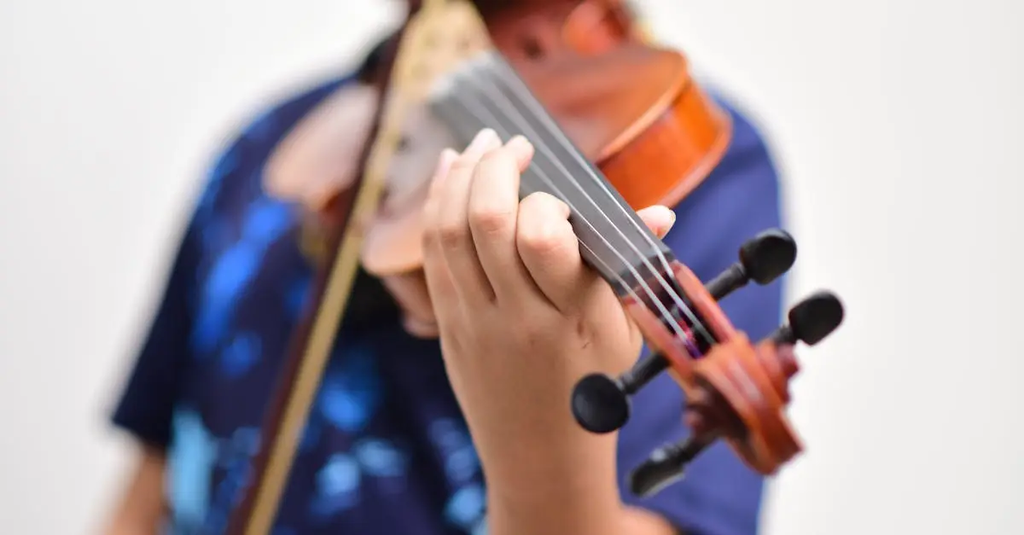
Extended techniques for instruments refer to unconventional methods of playing traditional musical instruments to produce unique sounds and effects not typically found in standard repertoire. These techniques can include actions such as bowing on the bridge of a violin, using prepared piano methods, or employing multiphonics on wind instruments. Often used in contemporary and experimental music, extended techniques expand the expressive possibilities available to performers and composers.
Extended Techniques for Instruments
Extended techniques for instruments refer to unconventional methods of playing traditional musical instruments to produce unique sounds and effects not typically found in standard repertoire. These techniques can include actions such as bowing on the bridge of a violin, using prepared piano methods, or employing multiphonics on wind instruments. Often used in contemporary and experimental music, extended techniques expand the expressive possibilities available to performers and composers.

💡 Key Takeaways
- Define extended techniques and how they expand timbre and musical expression.
- Identify common extended techniques across strings, winds, brass, and keyboards.
- Describe practical methods to produce these sounds on different instruments.
- Learn common notations and performance cues used to indicate extended techniques in scores.
- Explore ways to incorporate extended techniques into performances and compositions for texture and color.
❓ Frequently Asked Questions
What are extended techniques in music?
Techniques beyond standard playing methods used to produce unusual sounds or timbres on an instrument.
What are some common extended techniques for string instruments?
Examples include sul ponticello (bow near the bridge), sul tasto (bow over the fingerboard), col legno (bow wood), harmonics, and left-hand pizzicato.
What is a prepared piano?
A piano whose strings are altered by placing objects on or between them to create percussion-like or unusual timbres.
How are extended techniques usually notated in scores?
They are indicated with specific technique terms or symbols (e.g., sul ponticello, col legno) or descriptive text, sometimes with special notation.