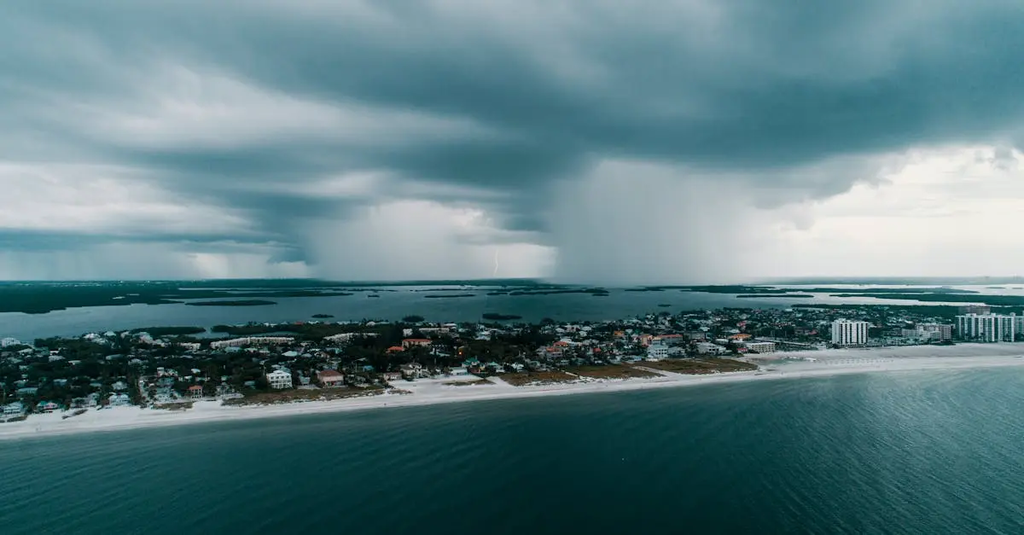
Extreme weather events are severe and unusual atmospheric conditions that significantly deviate from typical weather patterns. Examples include hurricanes, tornadoes, heatwaves, floods, droughts, and blizzards. These events often cause widespread damage to property, disrupt communities, and threaten lives. Their frequency and intensity have increased in recent years, partly due to climate change. Extreme weather events challenge disaster preparedness and response efforts, making them a major concern for governments and societies worldwide.
Extreme Weather Events
Extreme weather events are severe and unusual atmospheric conditions that significantly deviate from typical weather patterns. Examples include hurricanes, tornadoes, heatwaves, floods, droughts, and blizzards. These events often cause widespread damage to property, disrupt communities, and threaten lives. Their frequency and intensity have increased in recent years, partly due to climate change. Extreme weather events challenge disaster preparedness and response efforts, making them a major concern for governments and societies worldwide.

💡 Key Takeaways
- Define extreme weather events and explain how they differ from typical weather patterns.
- Identify common extreme events (hurricanes, tornadoes, heatwaves, floods, droughts, and blizzards) and understand how they form.
- Describe the potential impacts on property, communities, and safety, and why preparedness matters.
- Explain how climate variability and climate change may influence the frequency and intensity of extreme weather events.
❓ Frequently Asked Questions
What is an extreme weather event?
An unusually severe or uncharacteristic weather condition for a region, such as hurricanes, heatwaves, floods, or blizzards, that can cause damage and disruption.
How is extreme weather different from climate change?
Extreme weather describes short-term conditions; climate change refers to long-term trends in average conditions. Climate change can influence the frequency or intensity of some extreme events, but it does not cause every event.
What are common types of extreme weather?
Common types include hurricanes/typhoons, tornadoes, heatwaves, floods, droughts, blizzards, and severe thunderstorms.
Why do extreme weather events occur?
They arise from interactions between atmospheric conditions, ocean temperatures, land surfaces, and weather patterns. Natural variability plus potential climate-change influences can increase their likelihood or intensity.
How can communities prepare for extreme weather?
Develop emergency plans, build resilient infrastructure, monitor weather alerts, stock essential supplies, and know evacuation routes and safety steps for each event type.