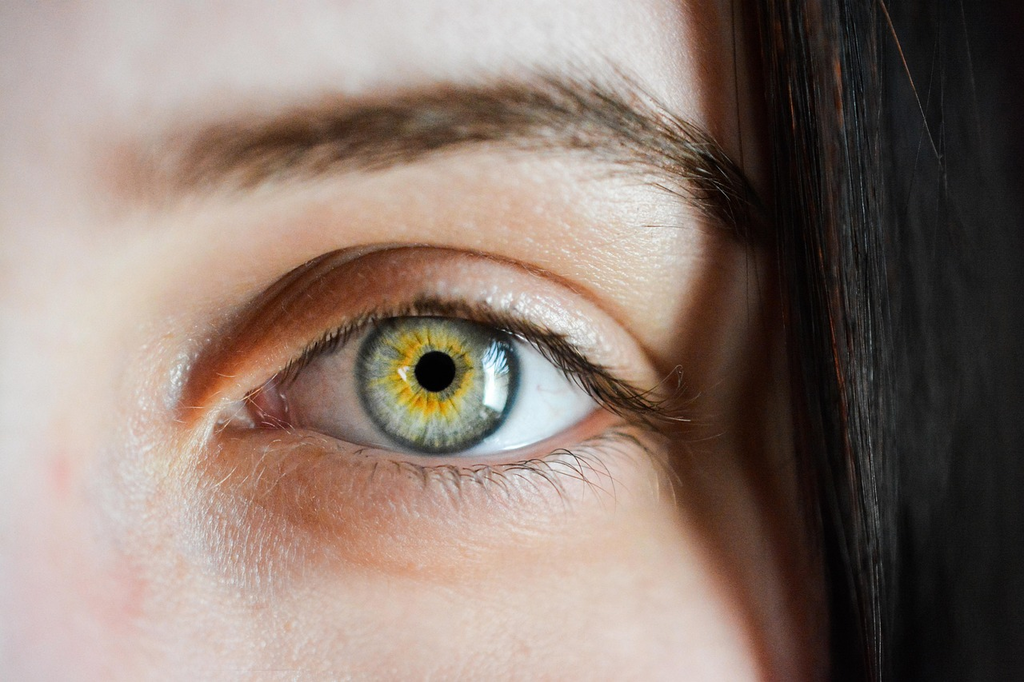
The Eye-Brain Connection refers to the intricate relationship between the eyes and the brain, where visual information is transmitted from the eyes to the brain for interpretation. This process helps us understand, react to, and interact with our surroundings. Additionally, signals from the body, such as changes in heart rate or pupil dilation, can influence how the brain processes visual inputs, reflecting our emotions, attention, and overall physiological state.
Eye-Brain Connection
The Eye-Brain Connection refers to the intricate relationship between the eyes and the brain, where visual information is transmitted from the eyes to the brain for interpretation. This process helps us understand, react to, and interact with our surroundings. Additionally, signals from the body, such as changes in heart rate or pupil dilation, can influence how the brain processes visual inputs, reflecting our emotions, attention, and overall physiological state.

💡 Key Takeaways
- Understand how the brain processes visual information from the eyes
- Learn what happens in the eye and visual pathways before you perceive an image
- Explore how attention, memory, and context can change what you see
- Recognize common issues in the eye-brain connection that may affect vision and interpretation
❓ Frequently Asked Questions
What is the eye-brain connection?
It’s the pathway where your eyes capture visual information and send it to the brain, which processes it into what you see and understand.
How do the eyes send information to the brain?
Light is converted into electrical signals in the retina, then carried through the optic nerve to the brain’s visual processing areas.
Why can two people have the same “sharp” eyesight but see differently?
Because visual clarity is only one part—your brain’s interpretation (attention, processing, and perception) also affects what you perceive.
What does the brain do after receiving signals from the eyes?
It combines signals from both eyes, detects patterns like edges and motion, and interprets depth, color, and meaning.
Can problems in the brain affect vision even if the eyes are healthy?
Yes. Conditions involving visual processing in the brain can cause symptoms like misperception, visual field issues, or difficulty recognizing what you see.