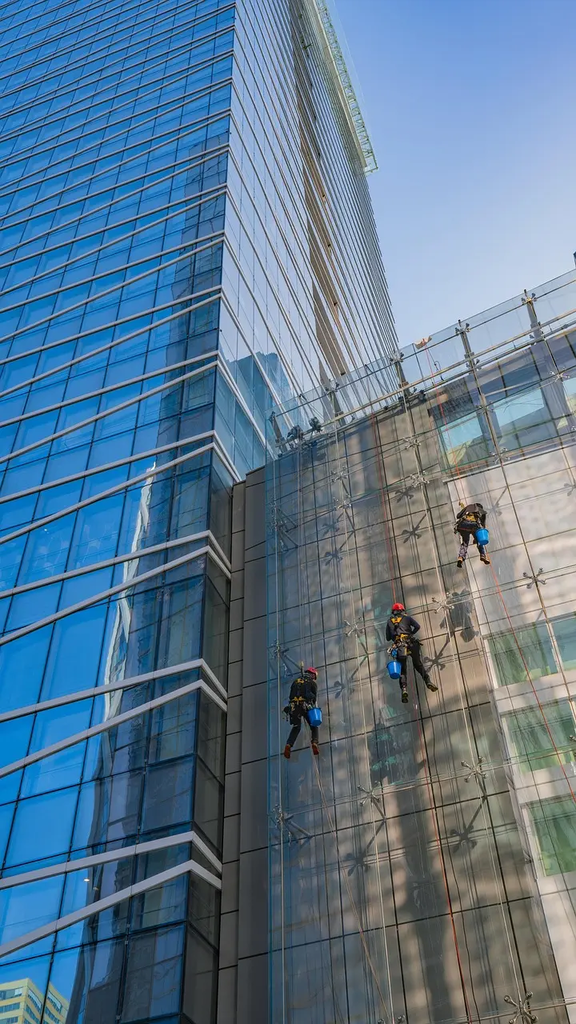
Façade Access, Maintenance, and Replacement Planning in construction technology involves designing and implementing systems that enable safe access to building exteriors for cleaning, inspection, repairs, and eventual replacement. This planning ensures that façade elements can be maintained efficiently throughout the building’s lifecycle, minimizing risks and costs. Techniques include integrating access equipment, such as building maintenance units and anchors, and selecting materials and construction methods that facilitate ongoing upkeep and future upgrades.
Façade Access, Maintenance, and Replacement Planning
Façade Access, Maintenance, and Replacement Planning in construction technology involves designing and implementing systems that enable safe access to building exteriors for cleaning, inspection, repairs, and eventual replacement. This planning ensures that façade elements can be maintained efficiently throughout the building’s lifecycle, minimizing risks and costs. Techniques include integrating access equipment, such as building maintenance units and anchors, and selecting materials and construction methods that facilitate ongoing upkeep and future upgrades.
💡 Key Takeaways
- Identify suitable facade access methods (scaffolding, lifts, rope access) for different building types.
- Develop a preventive maintenance plan to inspect, clean, and restore facade elements before failures occur.
- Recognize common signs of facade deterioration (cracks, leaks, loose panels) and decide between repair, refurbishment, or replacement.
- Evaluate replacement options, estimate lifecycle costs, and plan budgeting and scheduling to minimize disruption.
- Understand safety, permits, and regulatory requirements for facade access, maintenance, and replacement work.
❓ Frequently Asked Questions
What is façade access and why is it essential?
Façade access refers to the equipment and methods used to reach exterior building surfaces for inspection, cleaning, repair, or replacement. It is essential for safety, performance, weatherproofing, and compliance with codes and warranties.
What factors influence maintenance and replacement planning for a façade?
Factors include the condition of cladding and sealants, moisture intrusion, weather exposure, building movement, energy performance, safety risks, regulatory requirements, and available budget.
What are common façade access methods, and when is each appropriate?
Common methods include rope access, scaffolding, suspended platforms (swing stages), crane-assisted lifts, and façade robots. Rope access suits tight or high areas; scaffolding provides a stable work platform; suspended platforms cover mid- to high-rise work; cranes handle heavy or large elements; selection depends on height, risk, downtime, and site constraints.
What does a façade replacement planning process involve?
Start with a condition assessment, evaluate material options and life-cycle costs, develop a phased replacement plan, obtain permits and safety plans, and establish a budget and schedule.