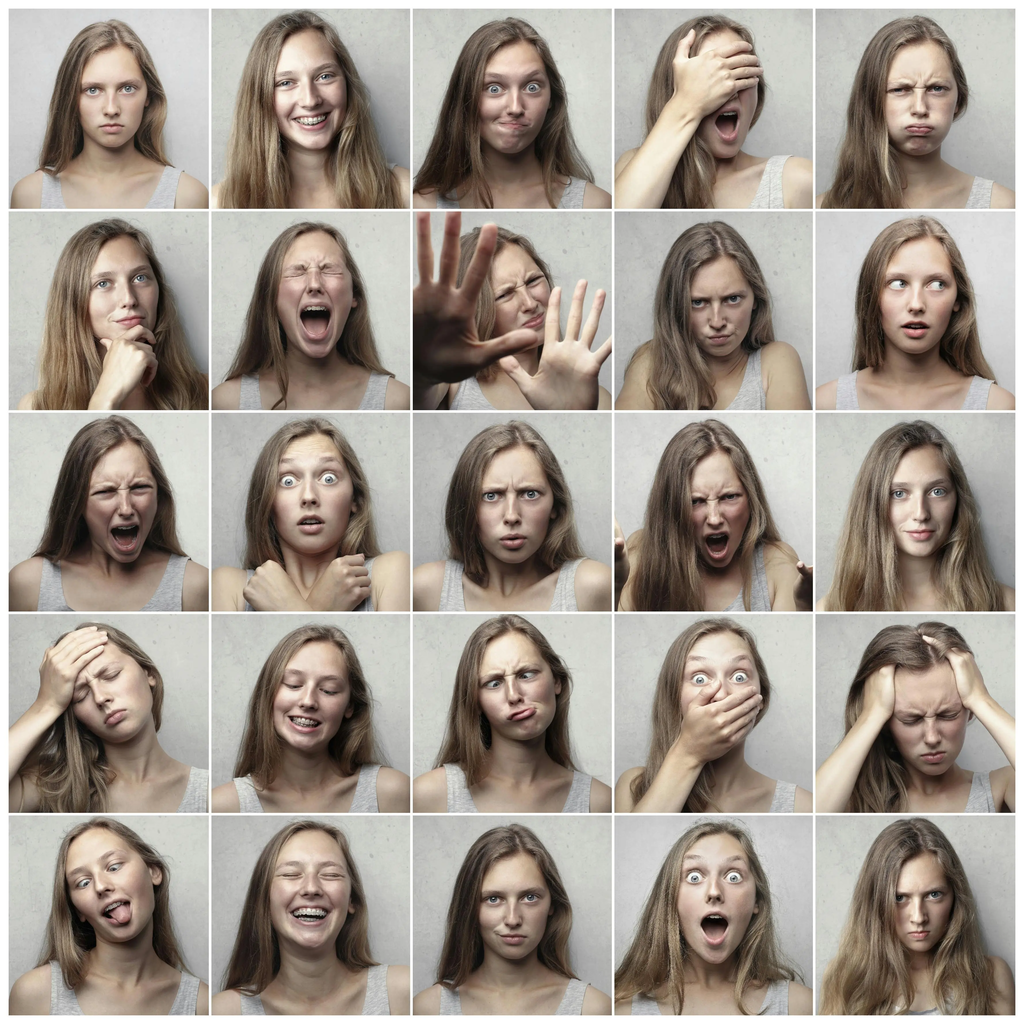
Facial microexpressions are brief, involuntary facial movements that reveal genuine emotions, often occurring in less than a second. These subtle expressions can display feelings such as happiness, anger, fear, or surprise, even when someone tries to conceal their true emotions. Because they are so fleeting and difficult to control, microexpressions are valuable in detecting honesty or deception, and are often studied in psychology and law enforcement.
Facial Microexpressions
Facial microexpressions are brief, involuntary facial movements that reveal genuine emotions, often occurring in less than a second. These subtle expressions can display feelings such as happiness, anger, fear, or surprise, even when someone tries to conceal their true emotions. Because they are so fleeting and difficult to control, microexpressions are valuable in detecting honesty or deception, and are often studied in psychology and law enforcement.

💡 Key Takeaways
- Identify facial microexpressions as brief, involuntary movements that reveal genuine emotions, often lasting under one second.
- Spot common microexpressions associated with happiness, anger, fear, and surprise.
- Understand when a microexpression might reveal true feelings even if someone is trying to conceal them.
- Consider context and recognize the limits of interpretation to use microexpression cues ethically in everyday interactions.
❓ Frequently Asked Questions
What is a facial microexpression?
A brief, involuntary facial movement that lasts a fraction of a second and reveals a genuine emotion, even when someone tries to conceal it.
How long do microexpressions typically last?
Usually less than a second, often just a fraction of a second.
Can microexpressions prove a person’s true feelings?
They can indicate genuine emotions, but they’re not definitive proof of deceit; context and other cues matter.
What is the difference between microexpressions and deliberate facial expressions?
Microexpressions are involuntary and brief; deliberate expressions are longer and controllable. Training can help, but context matters.