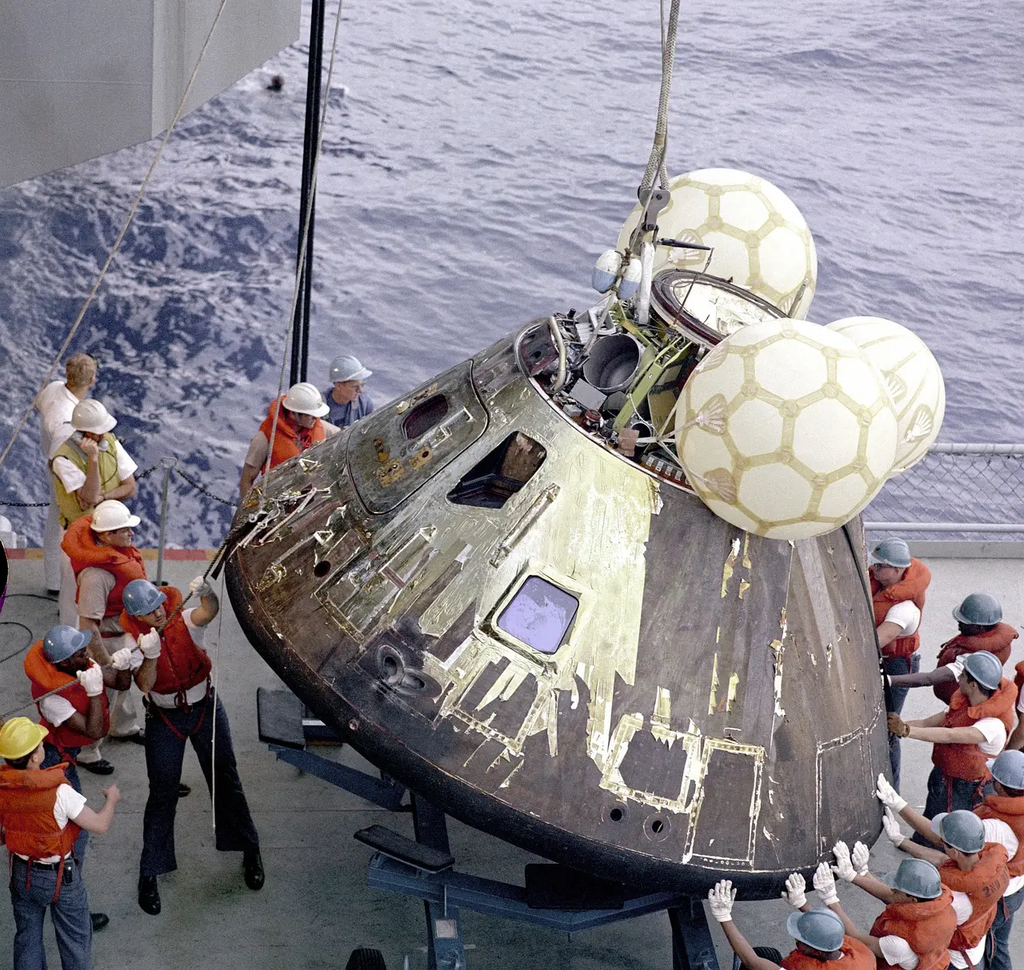
Failed space missions and near disasters refer to instances where space exploration efforts did not achieve their intended objectives or narrowly avoided catastrophic outcomes. These events highlight the inherent risks and complexities of space travel, including technical malfunctions, human error, or unforeseen environmental factors. Such incidents have led to valuable lessons, driving advancements in engineering, safety protocols, and mission planning, ultimately contributing to the ongoing progress and resilience of space exploration endeavors.
Failed Space Missions and Near Disasters
Failed space missions and near disasters refer to instances where space exploration efforts did not achieve their intended objectives or narrowly avoided catastrophic outcomes. These events highlight the inherent risks and complexities of space travel, including technical malfunctions, human error, or unforeseen environmental factors. Such incidents have led to valuable lessons, driving advancements in engineering, safety protocols, and mission planning, ultimately contributing to the ongoing progress and resilience of space exploration endeavors.
💡 Key Takeaways
- Identify common causes of failed space missions and near-disasters, including technical malfunctions, design flaws, and human error.
- Differentiate between a mission failure and a near-disaster, and understand why near-miss investigations drive safety improvements.
- Review notable examples (e.g., Apollo 13 near-disaster and Mars Climate Orbiter loss) to illustrate risk management and failure analysis.
- Explain how redundancy, testing, robust procedures, and decision-making protocols help prevent disasters and shape spaceflight policy.
❓ Frequently Asked Questions
What does 'failed space missions' mean?
Missions that did not achieve their primary objectives, such as failing to reach orbit, deploy a payload, or complete the planned mission.
What qualifies as a 'near disaster' in spaceflight?
An event where a mission faced a credible risk of catastrophic outcome but was averted through quick decisions, contingency plans, or safe outcomes.
What are common causes of failures and near-disasters?
Technical malfunctions, life-support or propulsion problems, navigation or communication errors, and human error.
How do space agencies reduce the risk of these events?
Through rigorous design reviews, redundant systems, extensive testing, crew training, mission simulations, and clear abort procedures.
Can you name a notable example?
Apollo 13 is a famous near-disaster where an in-flight explosion damaged the spacecraft, but astronauts and engineers saved the mission and returned safely.