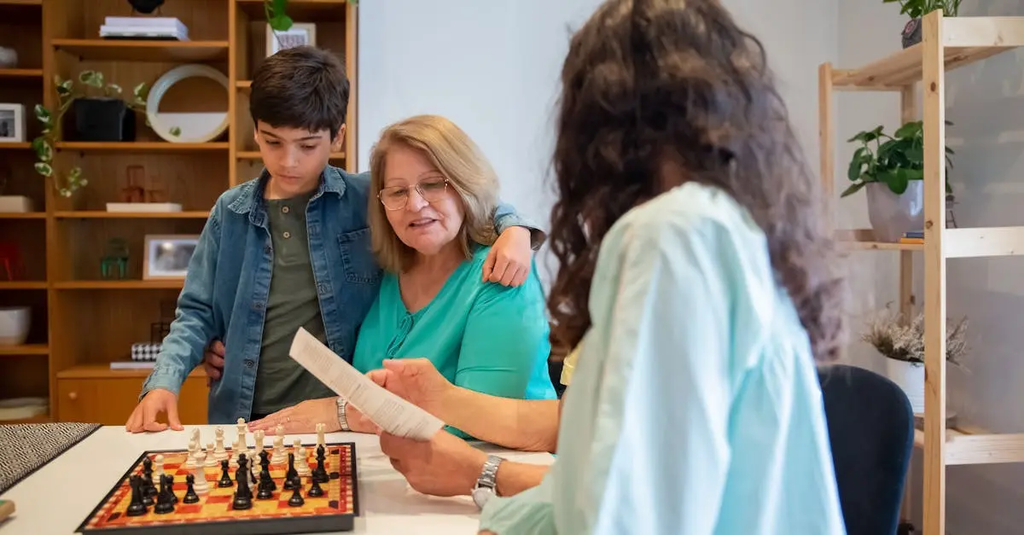
Family and Community Leadership refers to the ability to guide, support, and inspire individuals within families and local communities. It involves fostering positive relationships, encouraging collaboration, and promoting shared values and goals. Effective leadership in these contexts helps address challenges, build trust, and create a sense of belonging. By empowering others and nurturing growth, family and community leaders contribute to the overall well-being and resilience of the groups they serve.
Family and Community Leadership
Family and Community Leadership refers to the ability to guide, support, and inspire individuals within families and local communities. It involves fostering positive relationships, encouraging collaboration, and promoting shared values and goals. Effective leadership in these contexts helps address challenges, build trust, and create a sense of belonging. By empowering others and nurturing growth, family and community leaders contribute to the overall well-being and resilience of the groups they serve.

💡 Key Takeaways
- Build trust and open communication within families and local communities.
- Foster collaboration among family members and community partners to reach shared goals.
- Lead with inclusivity by valuing diverse backgrounds, roles, and family structures.
- Promote shared values, responsibility, and positive civic engagement through everyday leadership.
❓ Frequently Asked Questions
What is family and community leadership?
The ability to guide, support, and inspire people in families and local groups by building trust, modeling positive behavior, and aligning actions with shared values and goals.
What are essential skills for effective family leadership?
Key skills include clear communication, empathy, consistent expectations, conflict resolution, collaboration, and mentoring others.
How does family and community leadership foster relationships and collaboration?
It focuses on listening, inclusion, and shared decision-making to strengthen trust and help families and neighbors work toward common goals.
How can you develop family and community leadership?
Practice active listening, articulate your values, involve others in planning, take small leadership roles, seek feedback, and reflect on outcomes.