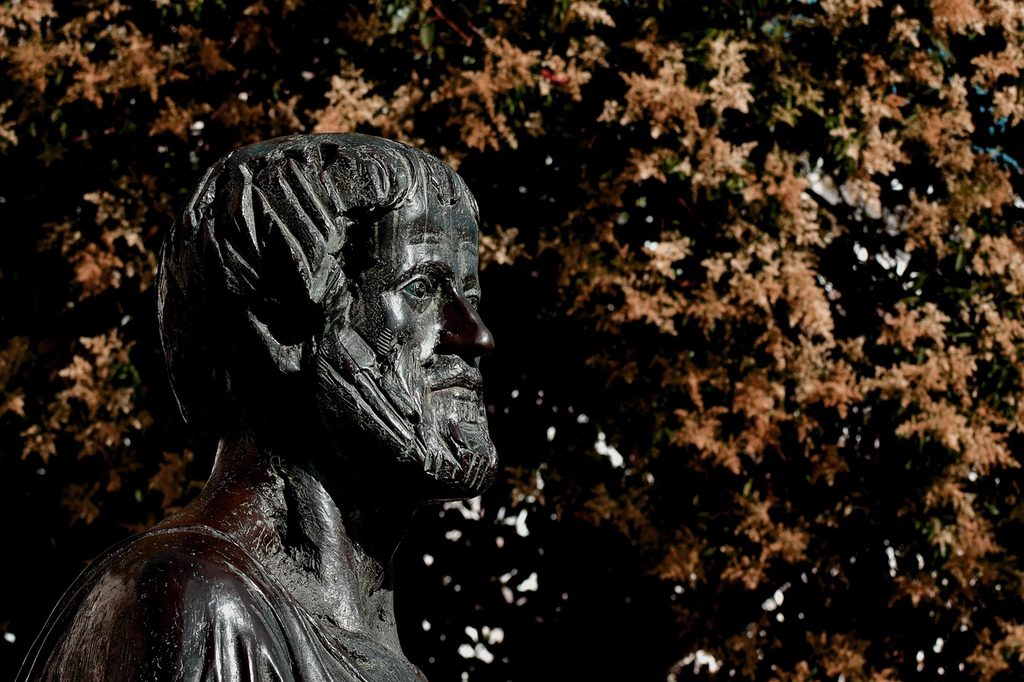
"Famous Philosophers (Guess by Image)" likely refers to a visual quiz or activity where participants are shown images—such as portraits or artistic depictions—of well-known philosophers from history. The objective is to identify or guess the philosopher based solely on their image, testing one’s knowledge of influential thinkers like Socrates, Plato, Confucius, or Nietzsche, and providing an engaging way to learn about key figures in philosophy.
Famous Philosophers
"Famous Philosophers (Guess by Image)" likely refers to a visual quiz or activity where participants are shown images—such as portraits or artistic depictions—of well-known philosophers from history. The objective is to identify or guess the philosopher based solely on their image, testing one’s knowledge of influential thinkers like Socrates, Plato, Confucius, or Nietzsche, and providing an engaging way to learn about key figures in philosophy.
💡 Key Takeaways
- Identify several famous philosophers and their core ideas.
- Compare major philosophical approaches such as rationalism vs. empiricism and various ethical theories.
- Explain how historical context shaped philosophers' writings and influence.
- Recognize how philosophers contributed to ethics, politics, science, and metaphysics.
❓ Frequently Asked Questions
Who were the classical ancient philosophers and what are they known for?
Socrates developed the method of questioning (Socratic Method); Plato wrote dialogues and the theory of forms; Aristotle founded formal logic, virtue ethics, and natural philosophy.
What is the difference between rationalism and empiricism?
Rationalism emphasizes reason as the primary source of knowledge (e.g., Descartes, Spinoza, Leibniz); empiricism emphasizes sensory experience and observation (e.g., Locke, Berkeley, Hume).
What is Descartes' famous conclusion 'I think, therefore I am' about?
It marks a move toward certain knowledge and highlights the primacy of the thinking mind, while introducing the mind-body distinction in his philosophy.
What is Kant known for in philosophy?
He proposed transcendental idealism, arguing that knowledge arises from the interaction of sense and understanding, and he developed the categorical imperative in ethics.