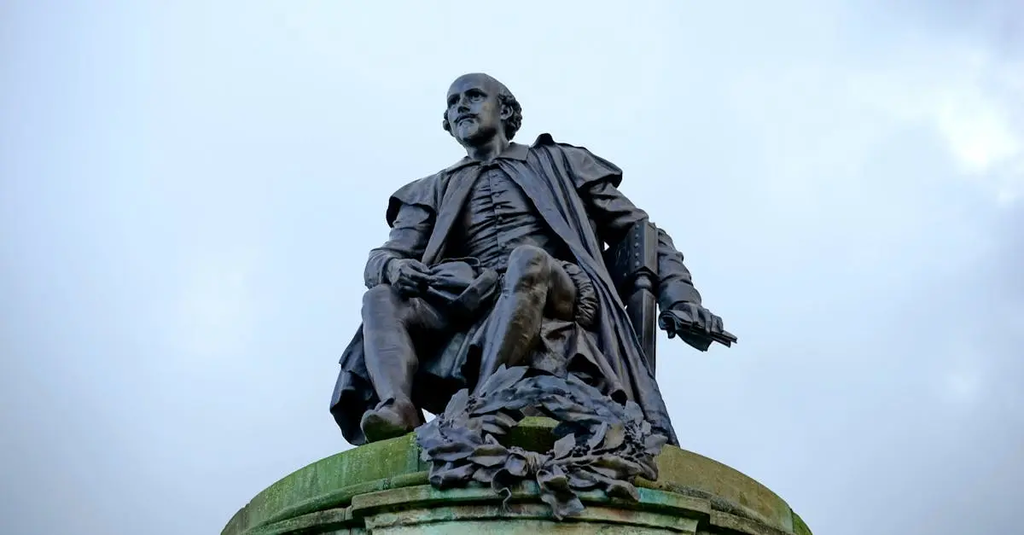
Famous UK literary locations are sites across the United Kingdom associated with renowned authors, novels, or poems. These include places like Stratford-upon-Avon, the birthplace of William Shakespeare; the Brontë Parsonage in Haworth; the Lake District, beloved by Wordsworth; and London’s Baker Street, home to Sherlock Holmes. Such destinations attract literature enthusiasts eager to explore the real-life inspirations behind classic works and the environments that shaped legendary writers.
Famous UK literary locations+45
Famous UK literary locations are sites across the United Kingdom associated with renowned authors, novels, or poems. These include places like Stratford-upon-Avon, the birthplace of William Shakespeare; the Brontë Parsonage in Haworth; the Lake District, beloved by Wordsworth; and London’s Baker Street, home to Sherlock Holmes. Such destinations attract literature enthusiasts eager to explore the real-life inspirations behind classic works and the environments that shaped legendary writers.

💡 Key Takeaways
- Identify the key UK literary locations featured (Stratford-upon-Avon, Brontë Parsonage in Haworth, the Lake District, and London’s Baker Street) and the authors connected to each site.
- Learn which works or characters are associated with each location (Shakespeare, Brontë novels, Wordsworth’s poetry, and Sherlock Holmes).
- Understand how the landscape and town settings shaped the authors’ writing and themes across different periods (Renaissance, Romantic, Victorian detective fiction).
- Use the locations to plan or recall a cross-country UK literary tour and recognize why these sites matter for literary heritage.
❓ Frequently Asked Questions
What defines a famous UK literary location?
A site in the UK connected to renowned authors, novels, or poems—often a birthplace, home, inspiration, or setting.
Which author is Stratford-upon-Avon famous for?
William Shakespeare; it is his birthplace and early home, now a major Shakespeare heritage site.
What is the Brontë Parsonage in Haworth known for?
The Brontë family home where Charlotte, Emily, and Anne Brontë wrote their famous novels; today a museum.
Why is the Lake District important to literature?
It inspires Romantic poets, especially William Wordsworth; includes sites like Dove Cottage in Grasmere.
What does London’s Baker Street represent in literature?
The fictional address of Sherlock Holmes in Arthur Conan Doyle’s stories (famous as 221B Baker Street).