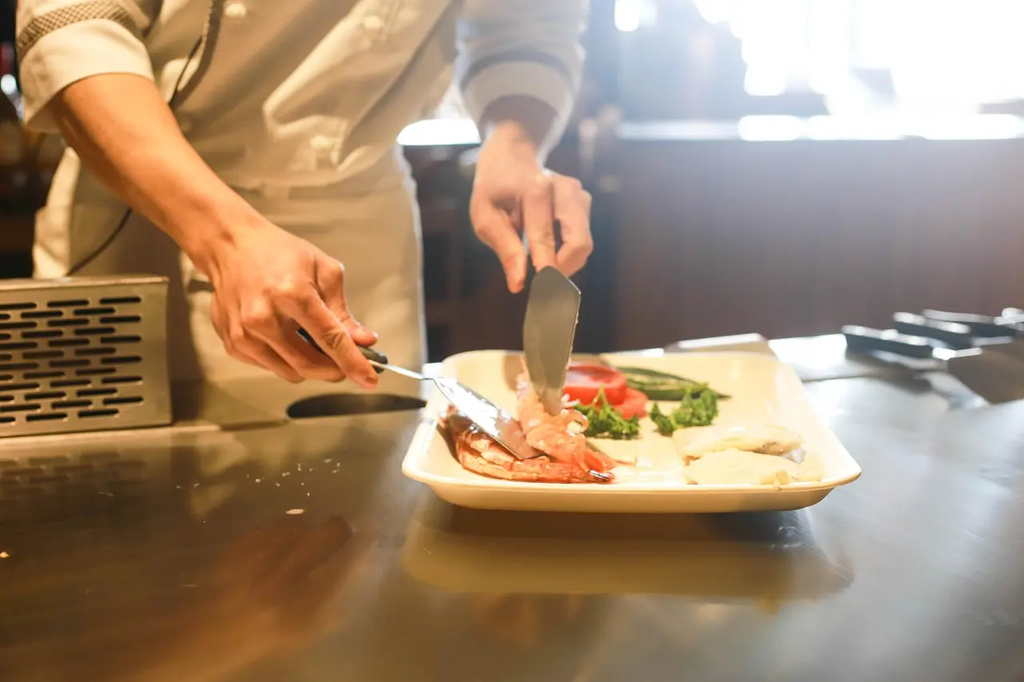
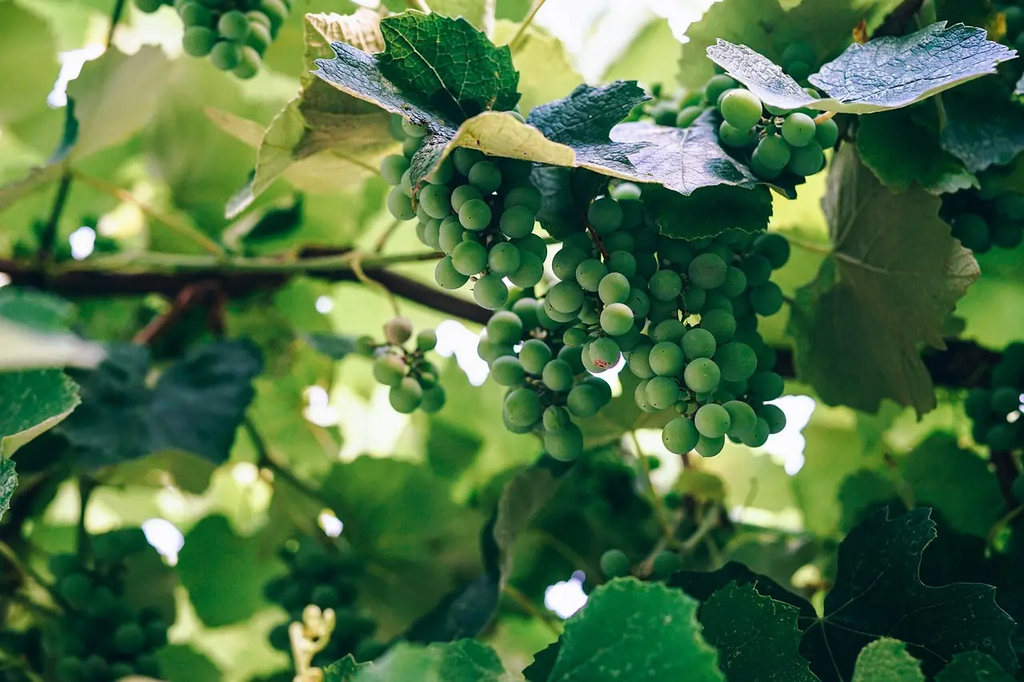
Farmworker labor movements in fields and kitchens refer to collective efforts by agricultural and food industry workers to improve their working conditions, wages, and rights. These movements often involve organizing strikes, protests, and advocacy campaigns in both crop fields and food preparation areas. They highlight the struggles faced by workers who harvest produce and those who work in kitchens, emphasizing the need for fair treatment, better pay, and safer workplaces throughout the food supply chain.
Farmworker labor movements in fields and kitchens
Farmworker labor movements in fields and kitchens refer to collective efforts by agricultural and food industry workers to improve their working conditions, wages, and rights. These movements often involve organizing strikes, protests, and advocacy campaigns in both crop fields and food preparation areas. They highlight the struggles faced by workers who harvest produce and those who work in kitchens, emphasizing the need for fair treatment, better pay, and safer workplaces throughout the food supply chain.

💡 Key Takeaways
- Explain how farmworker organizing led to wage, safety, and pesticide-regulation reforms in agriculture.
- Describe how kitchen and food-service workers joined or supported farmworker movements to improve working conditions.
- Identify key tactics used by farmworker movements (strikes, boycotts, advocacy campaigns) and their outcomes.
- Explore how these movements shaped American food history, influencing menus, supply chains, and industry practices toward labor rights.
❓ Frequently Asked Questions
What are farmworker labor movements?
Collective efforts by agricultural and food industry workers to improve working conditions, wages, safety, and rights, often through organizing, strikes, boycotts, and advocacy.
Who were key figures and landmark events in U.S. farmworker organizing?
The United Farm Workers (UFW), led by Cesar Chavez and Dolores Huerta, organized the Delano grape strike (1965–66) and fought for contracts and protections; laws like the California Agricultural Labor Relations Act (1975) supported farmworker organizing.
What strategies do these movements use?
Unions or associations, strikes and boycotts, marches, voter registration and advocacy, and efforts to secure contracts and enforce labor protections.
How do kitchen or food-service workers contribute to these movements?
They join broader labor campaigns to demand fair wages, scheduling, safety, and dignity—through unions and campaigns like Fight for $15 and activism within hospitality sectors.
Why are farmworker and kitchen worker movements important in American food history?
They helped raise living standards, shaped labor laws and collective bargaining in agriculture and hospitality, and increased public awareness of labor conditions across the food system.