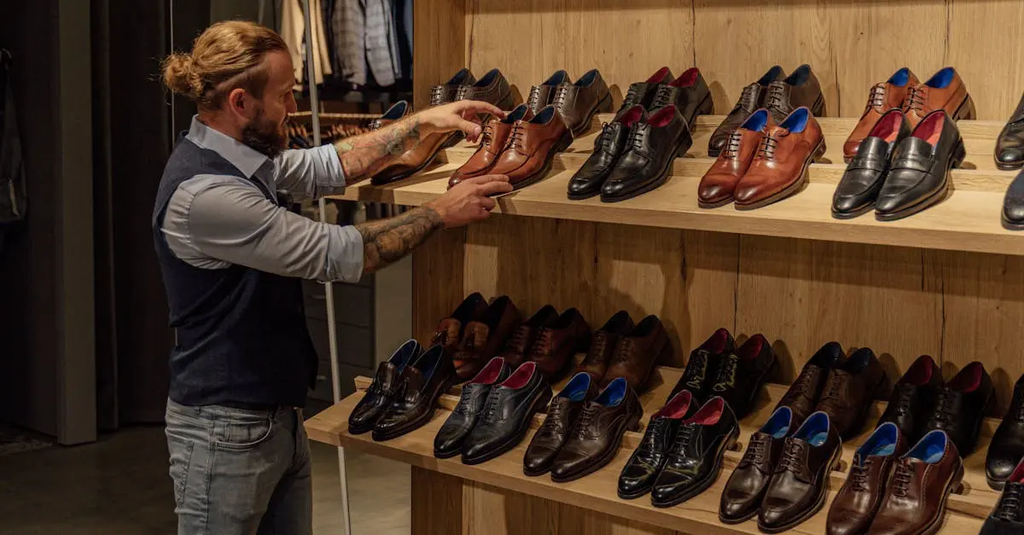
Fashion retail merchandising refers to the process of planning, buying, displaying, and promoting clothing and accessories in retail stores to maximize sales and enhance the customer shopping experience. It involves selecting the right products, determining inventory levels, arranging attractive displays, and implementing pricing strategies. Merchandisers analyze trends, consumer preferences, and sales data to ensure the store offers appealing and profitable merchandise, ultimately driving both brand image and revenue growth.
Fashion Retail Merchandising
Fashion retail merchandising refers to the process of planning, buying, displaying, and promoting clothing and accessories in retail stores to maximize sales and enhance the customer shopping experience. It involves selecting the right products, determining inventory levels, arranging attractive displays, and implementing pricing strategies. Merchandisers analyze trends, consumer preferences, and sales data to ensure the store offers appealing and profitable merchandise, ultimately driving both brand image and revenue growth.
💡 Key Takeaways
- Understand the core stages of fashion retail merchandising: planning, buying, displaying, and promoting.
- Learn how product selection and inventory levels influence sales and the customer shopping experience.
- Explore visual merchandising, store layout, and promotional strategies that bring decade-spanning fashion stories to life.
- Analyze how fashion trends from different decades shape assortment decisions, pricing, and promotions.
❓ Frequently Asked Questions
What is fashion retail merchandising?
The end-to-end process of selecting, buying, displaying, and promoting apparel and accessories in stores to maximize sales and improve the shopping experience.
What factors influence product selection for a retailer's assortment?
Target customers, current fashion trends, price ranges, brand mix, sizes/colors, supplier lead times, and budget.
How does visual merchandising impact shopper behavior?
It uses layout, displays, lighting, color, and signage to highlight key items, guide traffic, and encourage purchases.
What is the difference between assortment planning and inventory management?
Assortment planning decides which products to offer and in what mix; inventory management tracks stock levels and replenishment to balance availability and cost.