Fashion, Waste & Circular Design examines how clothing production and consumption impact the environment and society, emphasizing the need for sustainable practices. It explores how cultural values, religious beliefs, and societal norms influence fashion choices and waste generation. Circular design promotes reusing, recycling, and reducing waste, encouraging a shift from linear to sustainable systems. This approach fosters environmental responsibility while respecting diverse cultural and religious perspectives within society.
Fashion, Waste & Circular Design
Fashion, Waste & Circular Design examines how clothing production and consumption impact the environment and society, emphasizing the need for sustainable practices. It explores how cultural values, religious beliefs, and societal norms influence fashion choices and waste generation. Circular design promotes reusing, recycling, and reducing waste, encouraging a shift from linear to sustainable systems. This approach fosters environmental responsibility while respecting diverse cultural and religious perspectives within society.
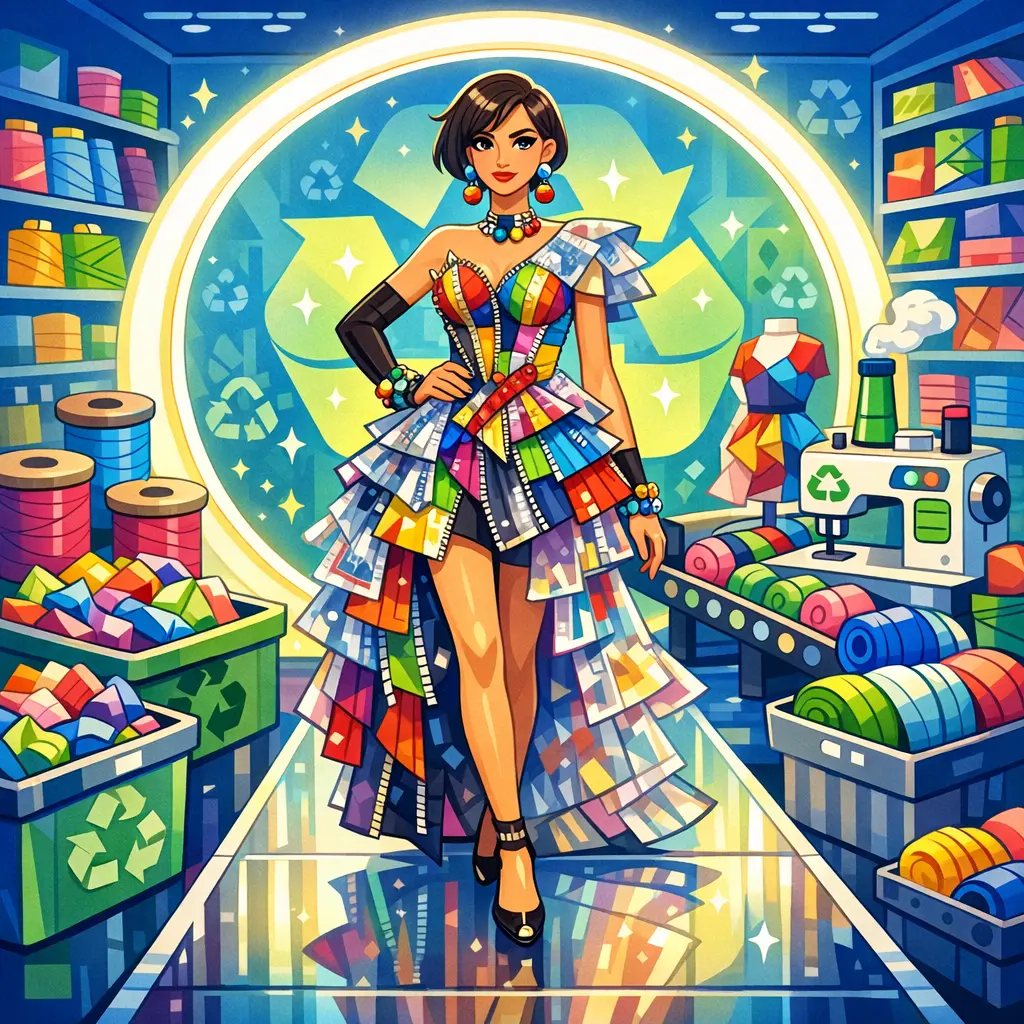
💡 Key Takeaways
- Understand what circular design means in fashion and how it reduces waste across the product lifecycle.
- Identify where waste is generated in the fashion system and how design choices can minimize it.
- Explore practical strategies like upcycling, repairability, modular design, and responsible material selection to extend product life.
- Compare linear and circular fashion systems and learn why circularity leads to more sustainable outcomes.
❓ Frequently Asked Questions
What is circular design in fashion?
An approach that keeps garments and their materials in use longer—through repair, resale, remanufacture or recycling—to minimize end-of-life waste.
How can circular design reduce fashion waste?
By using durable, recyclable materials; designing for end-of-life and disassembly; and enabling take-back, repair, resale, or recycling programs.
What’s the difference between upcycling and recycling in fashion?
Upcycling transforms waste into higher-value products with minimal processing, while recycling breaks textiles down into raw materials for new fibers.
What design practices support a circular fashion system?
Design for disassembly, use of mono-materials, durability, modular components, standardized fasteners, and clear end-of-life pathways.