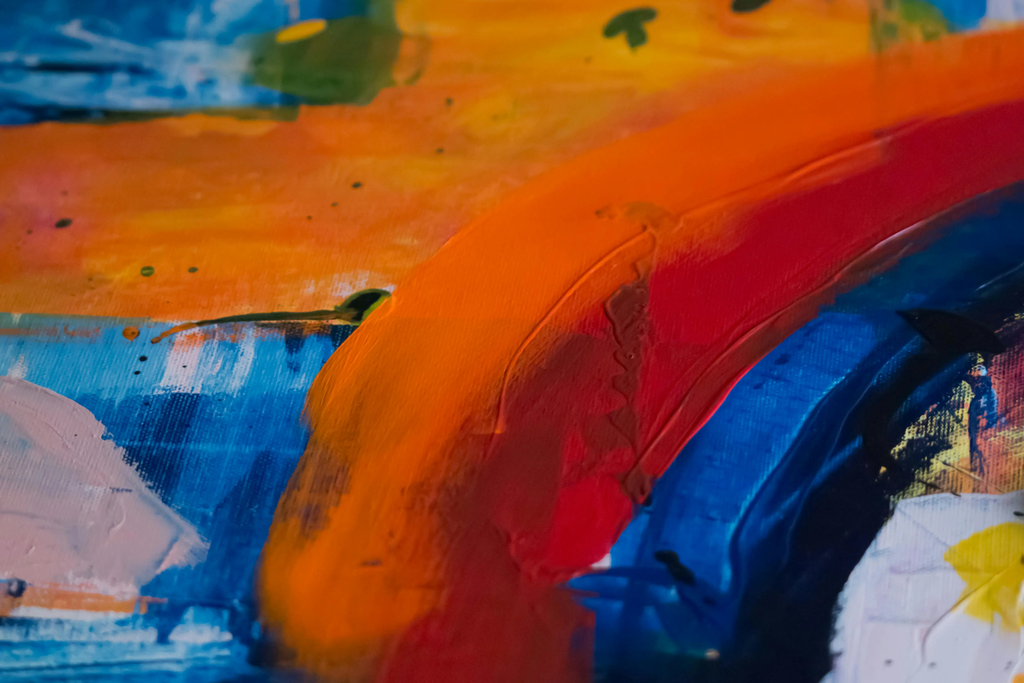
Fauvism was an early 20th-century art movement characterized by bold, vibrant colors and expressive brushwork. Emerging in France around 1905, its leading artists, including Henri Matisse and André Derain, used color to convey emotion rather than represent reality. Fauvist paintings often feature simplified forms and strong contrasts, breaking away from traditional perspective and naturalistic color schemes. The movement marked a key step toward modern art, emphasizing artistic freedom and personal expression.
Fauvism
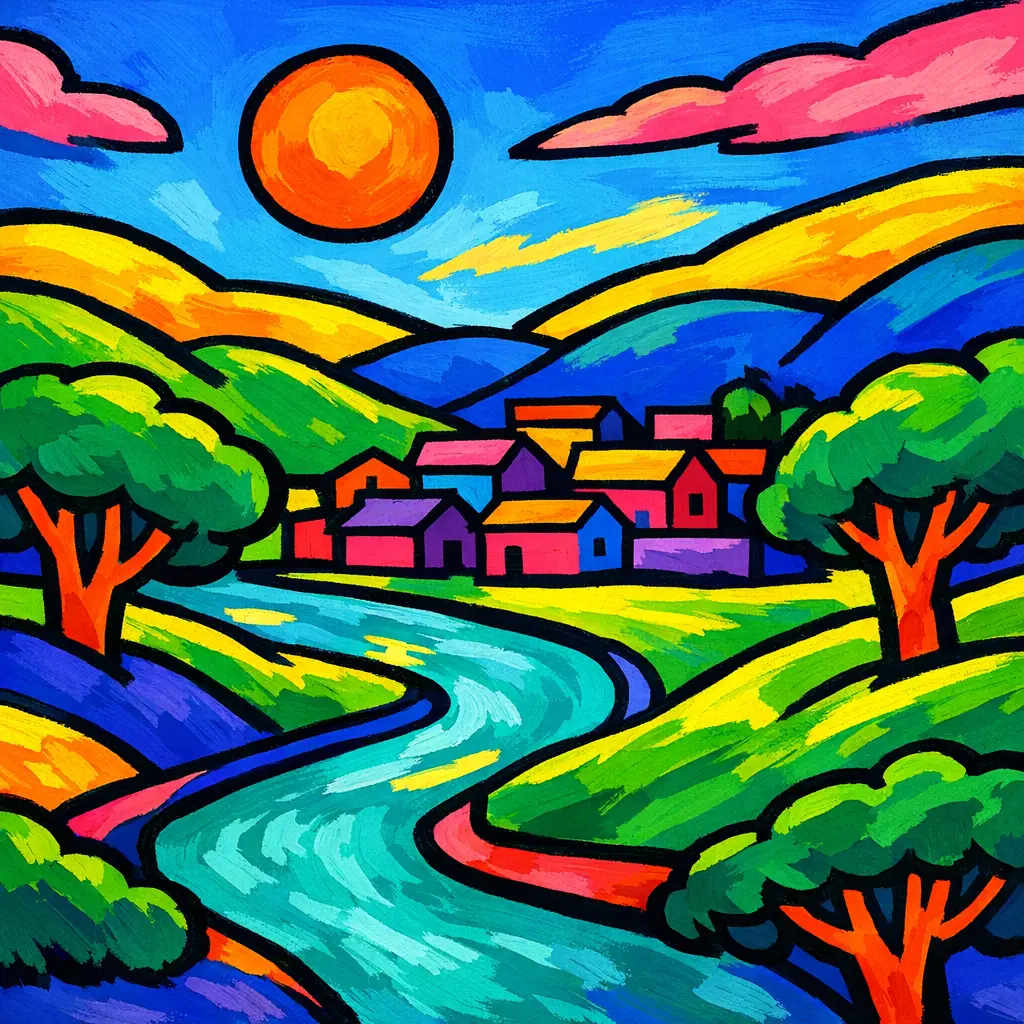
Fauvism was an early 20th-century art movement characterized by bold, vibrant colors and expressive brushwork. Emerging in France around 1905, its leading artists, including Henri Matisse and André Derain, used color to convey emotion rather than represent reality. Fauvist paintings often feature simplified forms and strong contrasts, breaking away from traditional perspective and naturalistic color schemes. The movement marked a key step toward modern art, emphasizing artistic freedom and personal expression.
💡 Key Takeaways
- Recognize Fauvism's defining features: bold, non-naturalistic color and expressive brushwork.
- Understand the historical context of early 20th-century Paris and the movement's name, Les Fauves.
- Identify key Fauvist artists and works (e.g., Henri Matisse, André Derain) and their signature styles.
- Explain how Fauvism influenced later modern art and how it differs from Impressionism and Expressionism.
❓ Frequently Asked Questions
What is Fauvism?
Fauvism is an early 20th-century art movement (roughly 1904–1908) known for bold, non-naturalistic color and expressive brushwork, led by artists like Henri Matisse and André Derain.
What are the defining features of Fauvism?
Bold, unnatural colors, simplified forms, and loose, visible brushstrokes that prioritize emotion and painterly effect over realistic detail.
Who were the main artists associated with Fauvism?
Notable Fauves include Henri Matisse, André Derain, Maurice de Vlaminck, Raoul Dufy, and Albert Marquet.
When and where did Fauvism emerge, and how was it received?
Fauvism emerged in Paris around 1904–1905, notably at the Salon d'Automne; critics dubbed the artists 'the Fauves' for their wild use of color, which sparked controversy.
How is Fauvism different from Impressionism?
Fauvism uses bold, non-naturalistic color and expressive brushwork to convey emotion, while Impressionism focuses on capturing fleeting light with lighter colors and delicate brushstrokes.