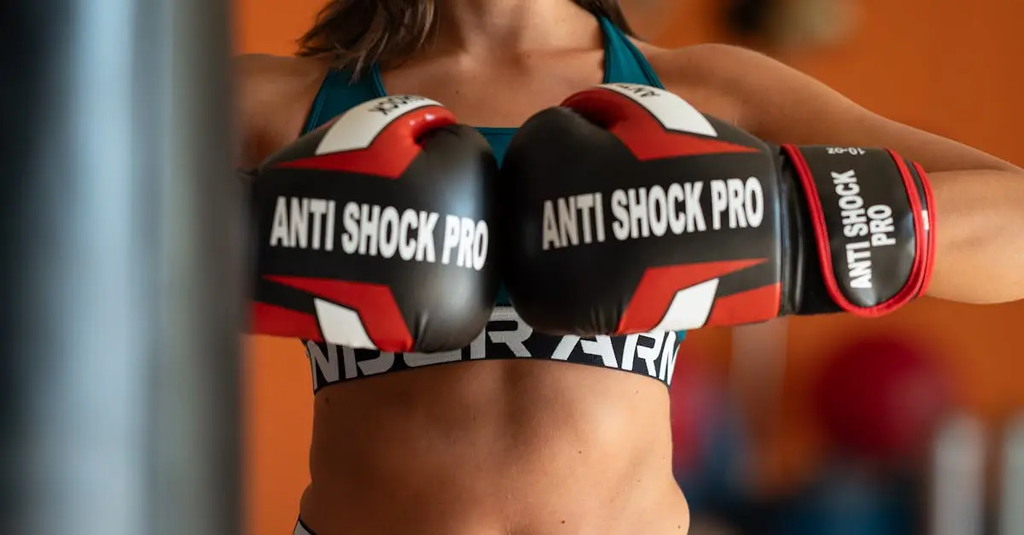
Feints and drawing reactions refer to tactical moves in sports or combat where a player or fighter deliberately pretends to make a certain action to provoke a response from their opponent. By faking an attack or movement, they can observe how the opponent reacts, revealing their intentions or weaknesses. This strategy helps the initiator create openings or exploit defensive gaps, ultimately gaining a strategic advantage in the encounter.
Feints and Drawing Reactions
Feints and drawing reactions refer to tactical moves in sports or combat where a player or fighter deliberately pretends to make a certain action to provoke a response from their opponent. By faking an attack or movement, they can observe how the opponent reacts, revealing their intentions or weaknesses. This strategy helps the initiator create openings or exploit defensive gaps, ultimately gaining a strategic advantage in the encounter.
💡 Key Takeaways
- Understand how feints provoke responses to reveal an opponent's timing and intent.
- Learn to read cues in an opponent's reaction (movement, posture, balance) to identify weaknesses.
- Develop believable feinting techniques and misdirection that don’t reveal your own intentions.
- Practice drills that pair feints with appropriate counters to improve anticipation and decision-making.
❓ Frequently Asked Questions
What is a feint?
A feint is a deceptive action designed to mislead an opponent by pretending to attack or move in a certain way, prompting a reaction.
What does drawing a reaction mean?
Drawing a reaction means observing how the opponent responds to a feint to infer their timing, intentions, or weaknesses.
Why are feints used in sports or combat?
Feints disrupt the opponent’s rhythm, create openings, and can force hesitation or over-commitment, enabling a real attack.
What are common types of feints?
Common types include head/shoulder feints, step/foot feints, and faking a pass, shot, or movement to provoke a defensive reaction.
How can you practice effective feints?
Practice with controlled drills, focusing on timing, disguise, and balance; start slowly with a partner and gradually increase speed and variation.