Feline breeds and coat patterns refer to the diverse types of domestic cats distinguished by their physical characteristics and fur designs. Breeds such as Siamese, Maine Coon, and Persian exhibit unique traits in body shape, size, and temperament. Coat patterns, including tabby, calico, tortoiseshell, solid, and bicolor, describe the arrangement and colors of a cat’s fur, contributing to their individuality and appeal among cat enthusiasts.
Feline Breeds and Coat Patterns
Feline breeds and coat patterns refer to the diverse types of domestic cats distinguished by their physical characteristics and fur designs. Breeds such as Siamese, Maine Coon, and Persian exhibit unique traits in body shape, size, and temperament. Coat patterns, including tabby, calico, tortoiseshell, solid, and bicolor, describe the arrangement and colors of a cat’s fur, contributing to their individuality and appeal among cat enthusiasts.
💡 Key Takeaways
- Identify notable cat breeds (e.g., Siamese, Maine Coon, Persian) and their typical body shapes, sizes, and temperaments.
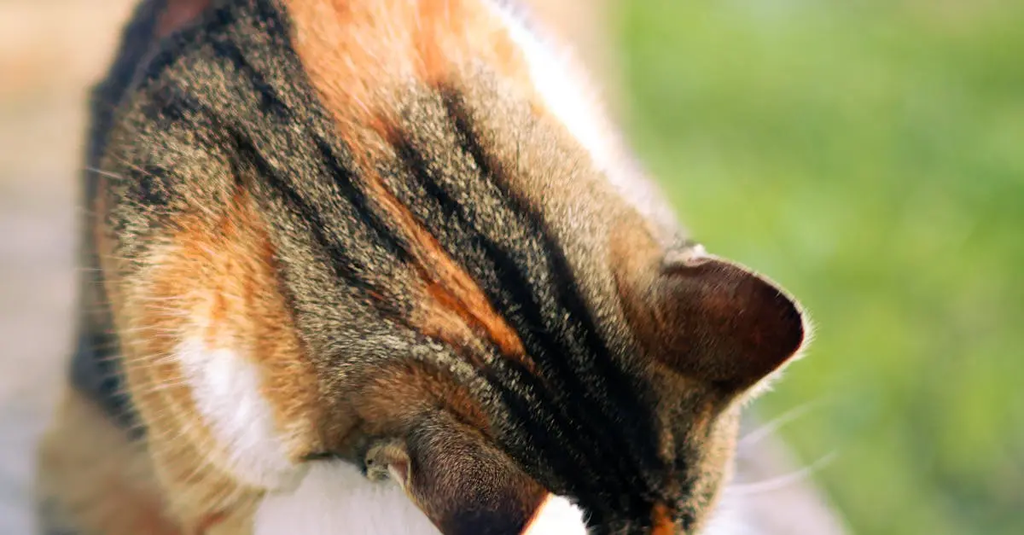
- Recognize common coat patterns such as tabby, calico, and tortoiseshell and how they appear on cats.
- Understand the basics of genetics behind coat colors and patterns in domestic cats.
- Compare how breed traits and coat designs influence care, behavior, and pet selection.
❓ Frequently Asked Questions
What is the difference between a cat breed and a coat pattern?
A breed is a defined group with stable traits (size, body type, temperament) developed by selective breeding. A coat pattern refers to fur color/design (tabby, calico, tortoiseshell) and can appear across many breeds.
Which breeds are commonly associated with long fur and distinctive facial features?
Persian is the classic long-haired breed with a flat face. Maine Coon is another long-haired breed, known for its large size and tufted ears.
What are some common coat patterns and how can you recognize them?
Tabby patterns include stripes or swirls (mackerel, classic, spotted). Calico is white with patches of orange and black. Tortoiseshell shows a mix of black and orange patches, often with little or no white.
Do coat patterns indicate a cat's breed?
Not necessarily. Patterns describe fur design and can appear in many breeds. Breed refers to ancestry and traits like body shape and temperament.