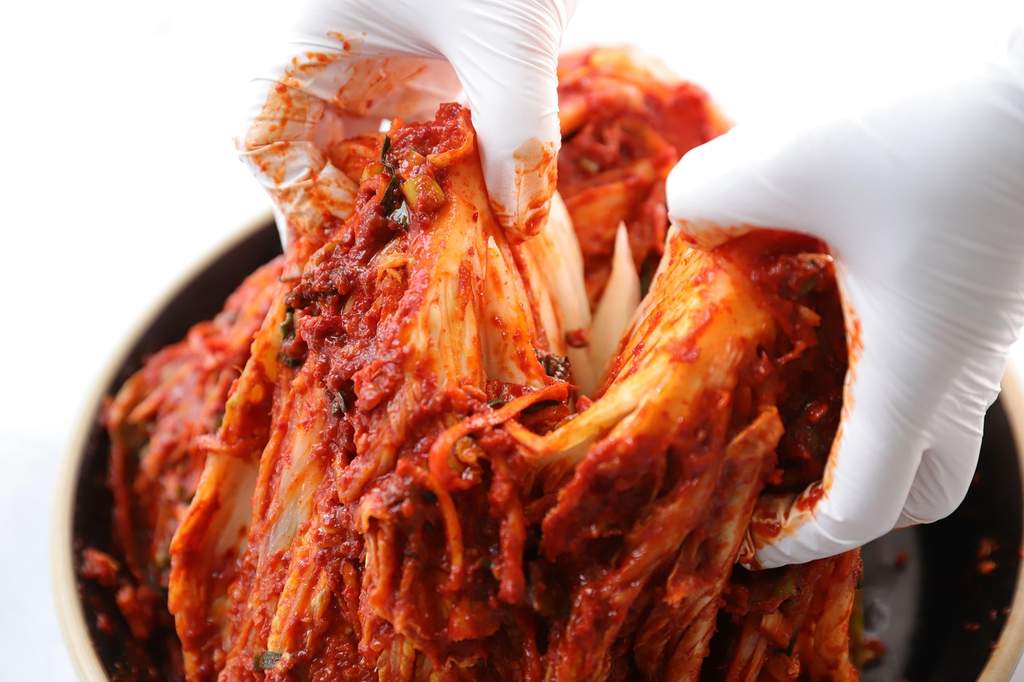
Fermented vegetables, such as kimchi and sauerkraut, are rich in probiotics—beneficial bacteria that support gut health and digestion. Including these foods in your diet can boost your immune system, enhance nutrient absorption, and promote overall well-being. As part of healthy habits and superfoods, fermented vegetables offer a natural way to maintain a balanced gut microbiome, contributing to improved mood, metabolism, and long-term health.
Fermented Vegetables and Probiotics
Fermented vegetables, such as kimchi and sauerkraut, are rich in probiotics—beneficial bacteria that support gut health and digestion. Including these foods in your diet can boost your immune system, enhance nutrient absorption, and promote overall well-being. As part of healthy habits and superfoods, fermented vegetables offer a natural way to maintain a balanced gut microbiome, contributing to improved mood, metabolism, and long-term health.
💡 Key Takeaways
- Understand what fermentation is and how microbes transform vegetables into tangy, shelf-stable foods.
- Learn which probiotics are common in fermented vegetables and their potential health benefits.
- Know the basic science of lactic acid fermentation and how acidity and salt preserve vegetables.
- Get practical, safe steps for home fermentation (salt ratio, air exclusion, timing, and temperature).
- Learn how to recognize signs of a safe ferment and how to store finished products.
❓ Frequently Asked Questions
What are fermented vegetables?
Fermented vegetables are veggies preserved through microbial fermentation, usually lactic acid fermentation, where microbes convert sugars into acids, creating tangy flavors and extending shelf life.
What are probiotics, and how do they relate to fermented vegetables?
Probiotics are live microorganisms that may support gut health when eaten in adequate amounts. Many fermented vegetables naturally contain probiotic bacteria, though viability depends on how they’re prepared and stored.
Do all fermented vegetables contain live probiotics?
Not always. Some commercially fermented products are pasteurized or heated after fermentation, killing live microbes. Look for labels like 'live cultures' and store them refrigerated if recommended.
How can I safely enjoy probiotic-rich fermented vegetables?
Start with small portions, choose refrigerated products labeled with live cultures, and follow safe preparation and storage practices to maintain quality and reduce contamination risk.