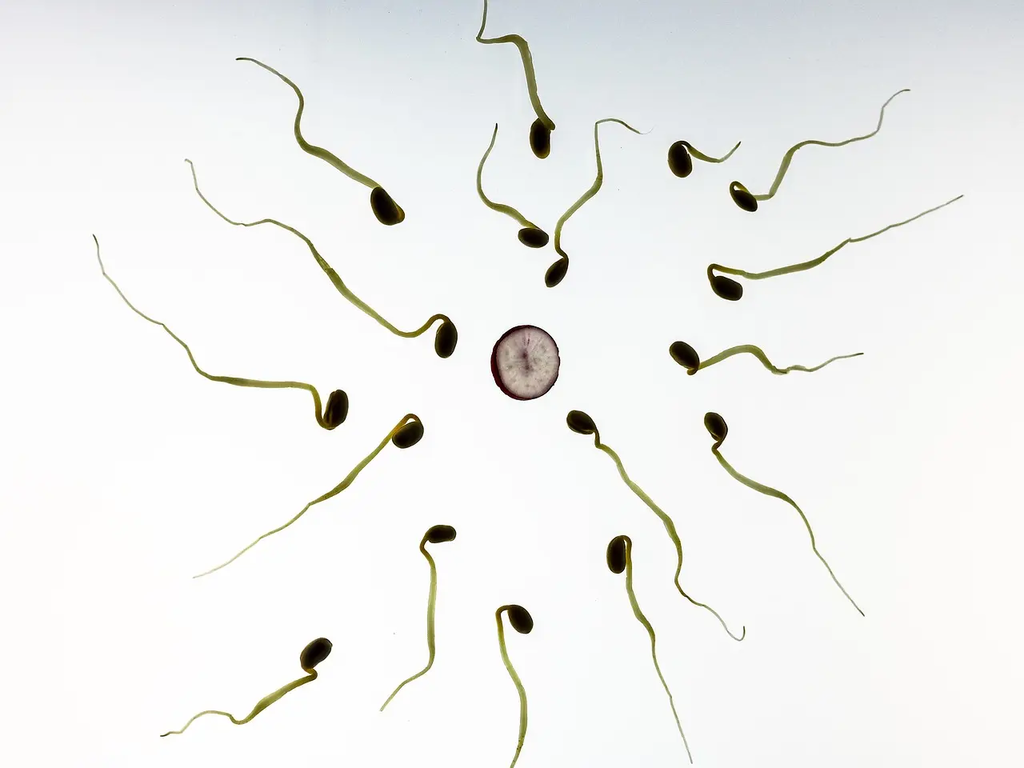
Fertilization is the process where a sperm cell from a male fuses with an egg cell from a female, forming a zygote. This usually occurs in the fallopian tube. The zygote undergoes rapid cell division, becoming a blastocyst that implants in the uterine wall. Embryonic development follows, with cells differentiating into tissues and organs, ultimately forming a complex human organism over several weeks.
Fertilization and Embryonic Development
Fertilization is the process where a sperm cell from a male fuses with an egg cell from a female, forming a zygote. This usually occurs in the fallopian tube. The zygote undergoes rapid cell division, becoming a blastocyst that implants in the uterine wall. Embryonic development follows, with cells differentiating into tissues and organs, ultimately forming a complex human organism over several weeks.
💡 Key Takeaways
- Understand the main steps of fertilization: sperm-egg contact, zona pellucida penetration, and zygote formation after pronuclei fuse.
- Follow early cleavage: zygote divides to form morula, then blastocyst with inner cell mass and trophoblast.
- Recognize implantation and the initial embryonic development timeline (zygote to morula to blastocyst; implantation in the uterus).
- Grasp how paternal and maternal genetic material contribute and the shift to embryonic genome activation during early development.
❓ Frequently Asked Questions
What is fertilization?
The union of a haploid sperm and a haploid egg to form a diploid zygote, starting embryonic development.
Where does fertilization usually occur in humans, and what happens next?
Typically in the fallopian tube (ampulla). The zygote forms and undergoes rapid cell divisions (cleavage) while moving toward the uterus.
What are the main early stages after fertilization?
Zygote → cleavage → morula → blastocyst; the blastocyst implants into the uterine lining and gastrulation forms germ layers later.
What is gastrulation and why is it important?
Gastrulation forms the three primary germ layers—ectoderm, mesoderm, and endoderm—from which all tissues and organs develop.
What is the difference between zygote, morula, and blastocyst?
Zygote is the fertilized egg; morula is an early solid ball of cells; blastocyst is a hollow ball with an inner cell mass that initiates implantation.