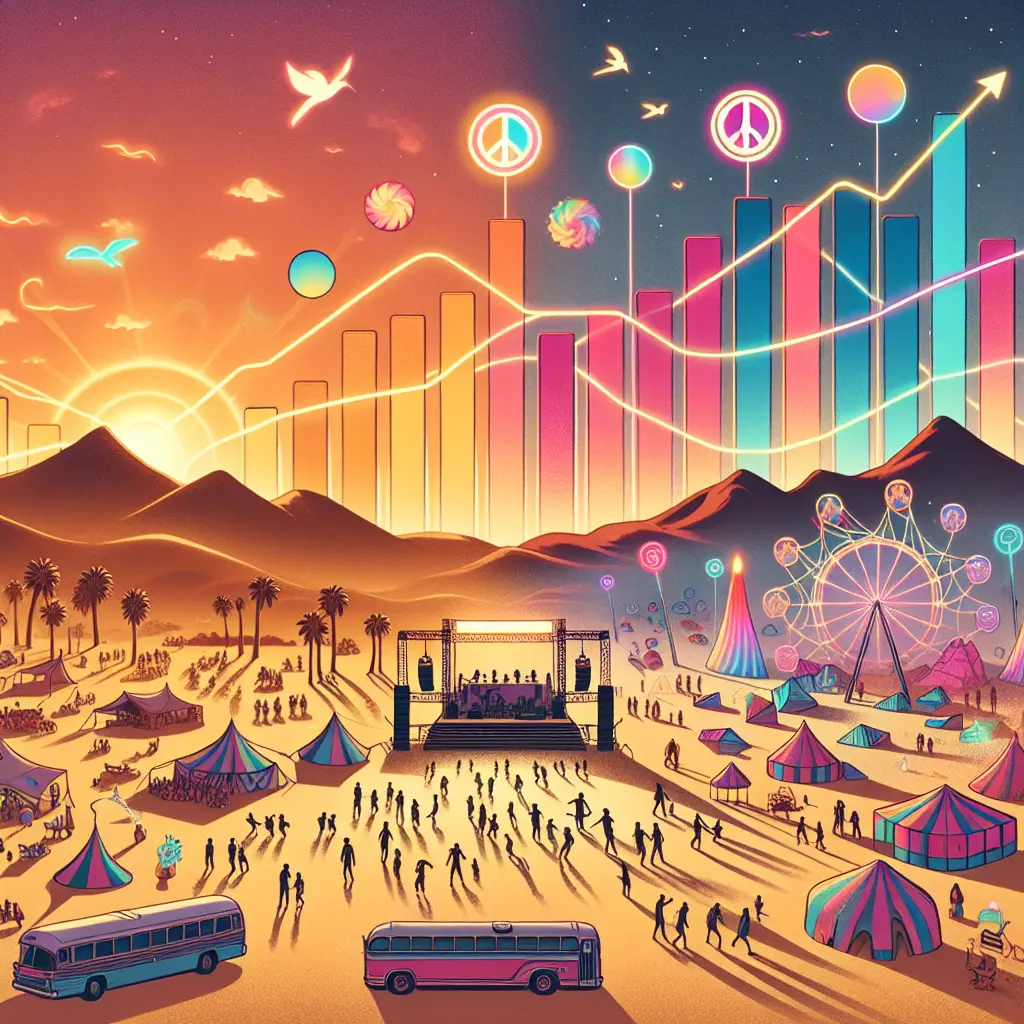
Festival Culture Economics: From Woodstock to Coachella refers to the evolution of music festivals from grassroots, countercultural gatherings like Woodstock in 1969 to highly commercialized, global phenomena such as Coachella. This phrase explores how festivals have shifted from being primarily about cultural expression and social movements to becoming significant economic engines, influencing tourism, branding, and local economies while reflecting changing societal values and consumer behaviors over time.
Festival Culture Economics: From Woodstock to Coachella
Festival Culture Economics: From Woodstock to Coachella refers to the evolution of music festivals from grassroots, countercultural gatherings like Woodstock in 1969 to highly commercialized, global phenomena such as Coachella. This phrase explores how festivals have shifted from being primarily about cultural expression and social movements to becoming significant economic engines, influencing tourism, branding, and local economies while reflecting changing societal values and consumer behaviors over time.
💡 Key Takeaways
- Understand the evolution from Woodstock’s grassroots, countercultural origins to Coachella’s global, commercial scale.
- Identify the main economic drivers of modern festivals (ticket sales, sponsorships, merchandising, media rights) and how they influence pricing and scale.
- Explore how branding, artist curation, fashion, and fan experience shape festival culture and expectations.
- Assess the broader impacts on local economies, tourism, infrastructure, and sustainability.
❓ Frequently Asked Questions
What does 'Festival Culture Economics' mean?
It refers to how music festivals are funded, produced, and monetized, and how these financial choices shape their culture, accessibility, and global reach.
How did Woodstock influence early festival culture?
Woodstock popularized grassroots, countercultural gatherings with a DIY ethos, volunteer labor, modest budgets, and a focus on the communal festival experience over profit.
How has the business model evolved from Woodstock to Coachella?
Festivals shifted from mainly grassroots events to large-scale, for-profit operations with corporate sponsorships, elaborate production, premium ticket tiers, global lineups, and diverse revenue streams beyond ticket sales.
What are the main revenue streams for modern festivals?
Ticket sales, sponsorships/branding, food and beverage, merchandise, licensing and media rights, and tourism-related spending and partnerships.