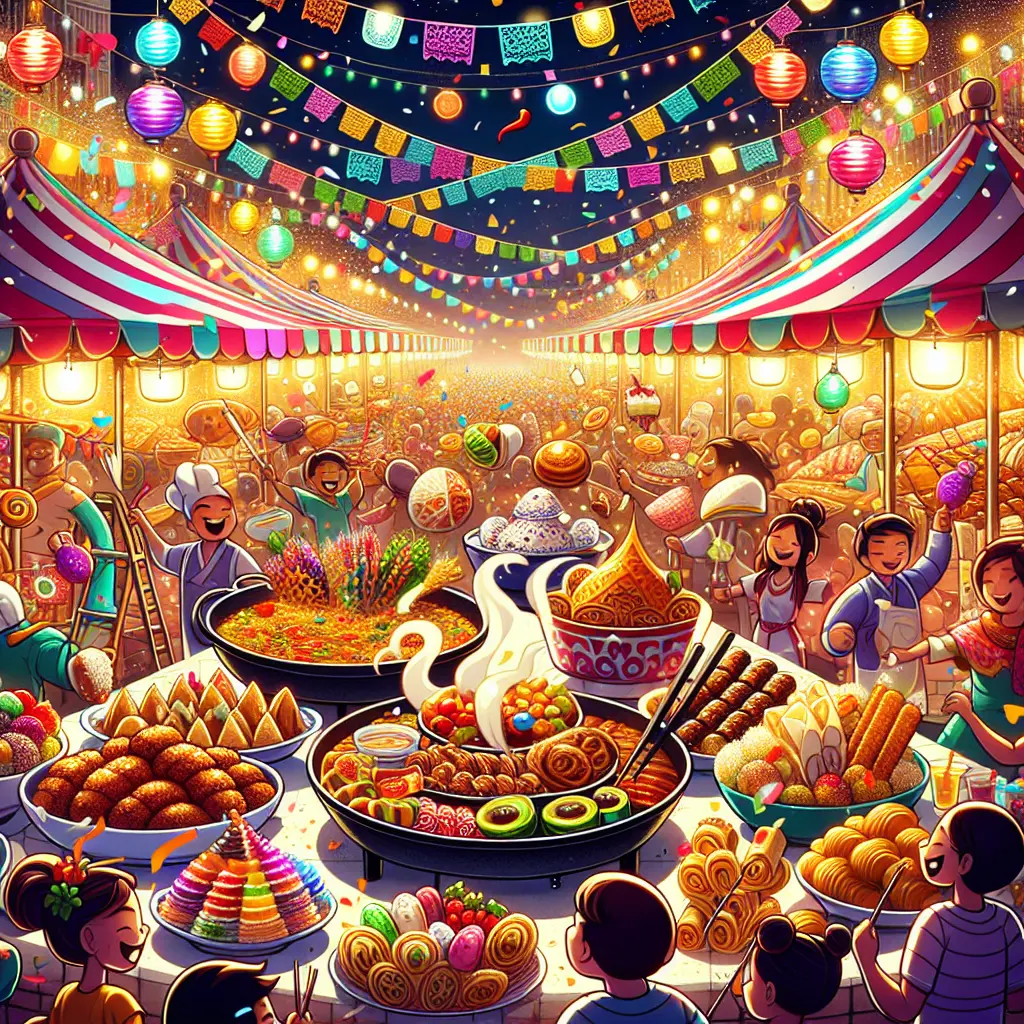
Festival foods and culinary traditions refer to the special dishes and cooking practices associated with cultural, religious, or seasonal celebrations. These foods often carry symbolic meanings, reflect local ingredients, and showcase unique preparation methods passed down through generations. Sharing these traditional meals strengthens community bonds, honors heritage, and creates memorable experiences. Each festival’s cuisine tells a story, connecting people to their roots and marking the significance of the occasion with flavors and rituals.
Festival Foods & Culinary Traditions
Festival foods and culinary traditions refer to the special dishes and cooking practices associated with cultural, religious, or seasonal celebrations. These foods often carry symbolic meanings, reflect local ingredients, and showcase unique preparation methods passed down through generations. Sharing these traditional meals strengthens community bonds, honors heritage, and creates memorable experiences. Each festival’s cuisine tells a story, connecting people to their roots and marking the significance of the occasion with flavors and rituals.
💡 Key Takeaways
- Recognize the symbolic meanings behind festival dishes and how they celebrate culture, religion, or the season.
- Identify signature ingredients and regional twists that define festival foods.
- Describe traditional cooking methods and rituals commonly used in festival preparations.
- Understand how culinary knowledge and recipes are passed down through generations within communities.
❓ Frequently Asked Questions
What are festival foods and culinary traditions?
Festival foods are dishes and cooking practices tied to cultural, religious, or seasonal celebrations, often featuring symbolic ingredients and time-honored methods.
Why do festival dishes use symbolic ingredients?
Symbolic ingredients express hopes or beliefs—such as luck, prosperity, or protection—and connect the celebration to its meaning and history.
How do local ingredients and seasonality shape festival foods?
Festival dishes highlight regional produce and flavors that peak during celebrations, reflecting local harvests and culinary heritage.
How are festival foods typically prepared and shared?
They are prepared using traditional techniques and then shared with family and community during the celebration.
How do festival foods reflect cultural diversity?
They vary across cultures and religions, showcasing unique dishes and customs that mark different celebrations around the world.