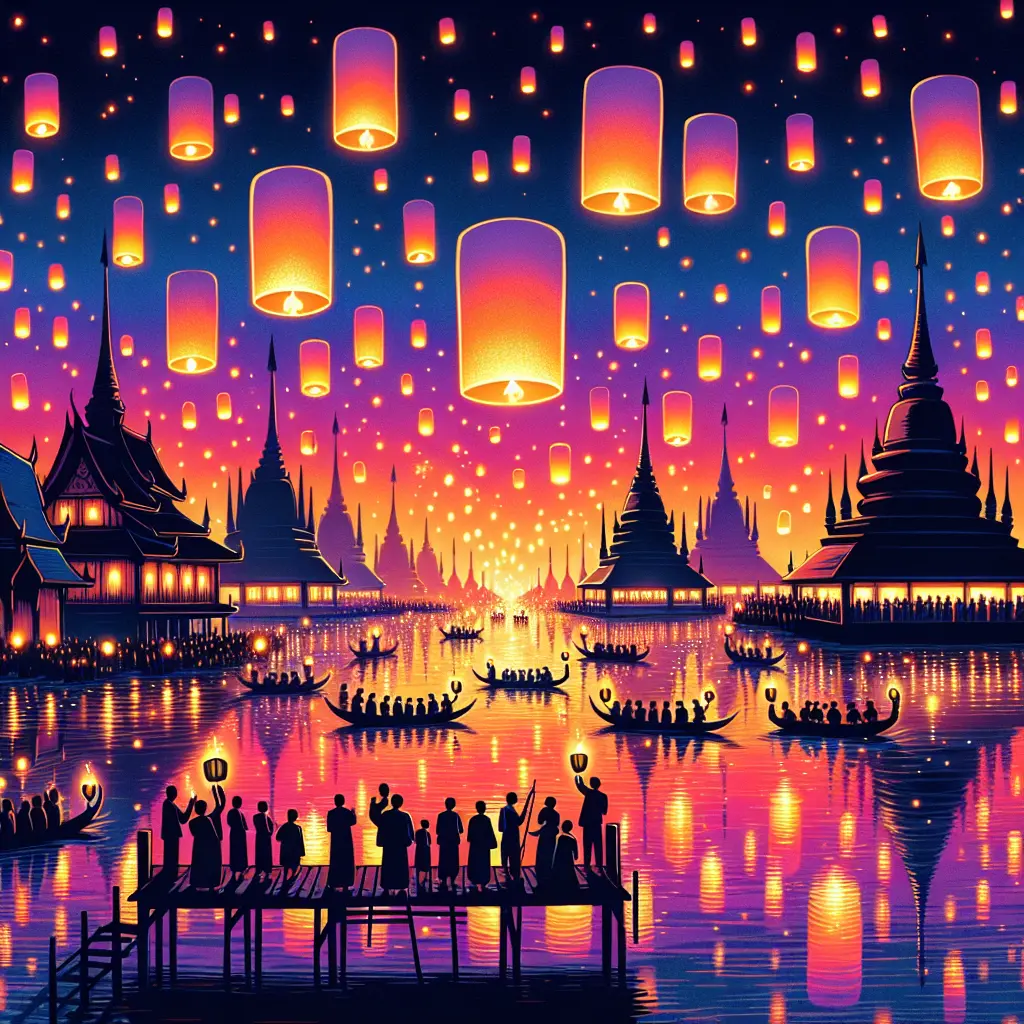
Festival iconography and symbols refer to the visual elements, motifs, and imagery commonly associated with particular festivals. These can include objects, colors, patterns, or figures that represent the spirit, traditions, or beliefs of the celebration. For example, lanterns for Diwali, pumpkins for Halloween, or eggs for Easter. Such symbols help convey the cultural significance of the festival and create a recognizable, festive atmosphere for participants and observers alike.
Festival Iconography and Symbols
Festival iconography and symbols refer to the visual elements, motifs, and imagery commonly associated with particular festivals. These can include objects, colors, patterns, or figures that represent the spirit, traditions, or beliefs of the celebration. For example, lanterns for Diwali, pumpkins for Halloween, or eggs for Easter. Such symbols help convey the cultural significance of the festival and create a recognizable, festive atmosphere for participants and observers alike.
💡 Key Takeaways
- Identify and describe common symbols and motifs tied to major festivals worldwide (e.g., lanterns for Diwali, pumpkins for Halloween, trees for Christmas).
- Explain how colors, objects, and patterns convey the spirit, beliefs, and traditions of a festival.
- Compare how iconography varies between cultures and how symbols evolve with time and globalization.
- Recognize where festival imagery appears (decorations, clothing, media) and what it communicates to audiences.
- Practice interpreting unfamiliar festival symbolism by analyzing context clues and cultural background.
❓ Frequently Asked Questions
What is festival iconography and why is it used?
Festival iconography refers to the visual symbols—objects, colors, patterns, and figures—associated with a celebration. These elements express beliefs, traditions, and the festival’s spirit.
What are some common symbols and what do they represent?
Examples include lanterns (light and knowledge), pumpkins (harvest or autumn festivity), stars or trees (guidance, life, or faith), and drums or masks (rituals and communal memory).
How do colors convey meaning in festival imagery?
Colors carry cultural meanings—red often signals luck and joy in many Asian celebrations, white or gold can denote purity or sacredness, and bright tones generally convey celebration and prosperity.
Can you name symbols from a few well-known festivals?
Diwali: diyas (oil lamps) and rangoli; Halloween: pumpkins and jack-o'-lanterns; Christmas: trees and stars; Lunar New Year: red envelopes and lanterns; Day of the Dead: sugar skulls and marigolds.